



'climate change' - 1000 News Result(s)
 Saturday | November 28, 2026 , Dehradun
With a particular focus on the Global South and the Himalayan region, the discussions highlighted the importance of community participation, scientific research, institutional accountability and context-specific approaches to climate action.
 Edited by Jigyasa KakwaniSunday | November 29, 2026
The Solar Dome features interactive exhibits, four theatres and robot guides to ensure visitors understand the potential of renewable energy.
 Edited by Nikhil PandeySaturday | November 28, 2026
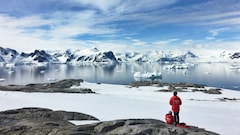
Russian scientists are preparing to search Antarctica for ice dating back around 1.5 million years. Researchers hope to study trapped greenhouse gases to understand Earth's climate history and improve predictions of future climate change.
 AFP | Tuesday | November 24, 2026
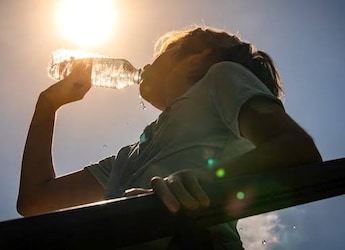
Scientists say human-driven climate change is amplifying extreme weather events, with Europe warming faster than the global average and heatwaves growing more frequent and severe.
 Edited by Aastha AhujaMonday | November 23, 2026
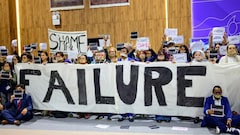
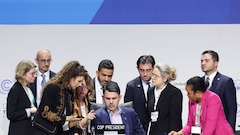
The negotiations stalled as oil-producing states blocked any mention of phasing out fossil fuels in the final deal.
 Monday | November 23, 2026 , Antalya
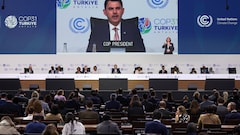
A number of countries said during the final meeting Sunday they couldn't accept a deal that failed to include wording on fossil fuels.
 Monday | November 23, 2026 , New York
During previous conferences, nations frequently threatened to walk away if there wasn't a strong agreement on fossil fuels.
 Sunday | November 22, 2026
Fossil fuels are a flashpoint at the climate talks and the summit comes against a difficult backdrop of soaring energy prices and geopolitical tensions stemming from the war in Iran.
 Edited by Nikhil PandeySaturday | November 21, 2026
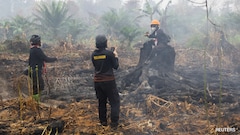
Scientists warn that restoring 90 per cent of the carbon lost from affected peatlands could take around 350 years, highlighting the urgent need for long-term environmental protection and restoration efforts.
 Written by Maumita MitraThursday | November 19, 2026
CEA Nageswaran identified geopolitical divisions, shipping disruptions, China's manufacturing strength, climate change, energy security, and AI-led job risks as key challenges for India's Viksit Bharat 2047 ambition.
 Written by Shreya GoswamiWednesday | November 18, 2026
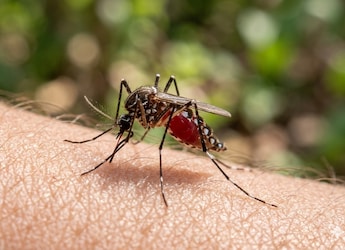
India has reduced malaria cases and deaths by nearly 80% in a decade, but climate change, unplanned urbanisation and mosquito resistance threaten further progress.
 Written by Prajwal JayarajTuesday | November 17, 2026
Nithin Kamath stated that the free market system fails to take into account the effect that it has on the environment leading to climate change.
 Edited by Mohd AsimTuesday | November 17, 2026 , New Delhi
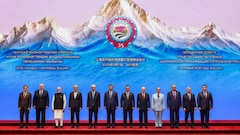
India had announced on October 28 that invitations had been extended to all SCO members, including Pakistan, in keeping with established practice.
 Written by Khushi Maheshwari , Edited by Abhishek JhaSunday | November 15, 2026
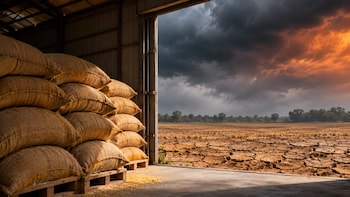
India's grain stocks can absorb one bad year, but a second El Nino could drain the buffer in two to three years, economists say.
 Written by Altaf HussainSaturday | November 14, 2026
Islamabad nominates Climate Change Minister Musadik Masood Malik for November 20-22 gathering, marking a rare ministerial-level visit to India amid strained ties.
 Saturday | November 14, 2026
It will be the first trip to India by a Pakistani federal minister since former foreign minister Bilawal Bhutto Zardari attended an SCO meeting in Goa in May 2023.
 Friday | November 13, 2026
Malik is a 25-year-old biotechnology graduate of IIT Delhi, who co-founded Yotuh Energy in 2022.
 Written by Amit ChaturvediFriday | November 13, 2026
Weather phenomena like El-Nino, La-Nina and others can also alter regional conditions leading to temperature variations in various regions.
 Thursday | November 12, 2026
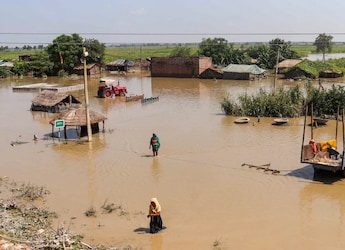
El Nio is part of a natural climate phenomenon that shifts global weather patterns for months at a time. During El Nio years, temperatures tend to rise, triggering heat waves; dry regions can be hit with flooding rainfall; and wet regions often face droughts. All carry serious health risks.
 Associated Press | Wednesday | November 11, 2026
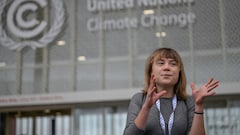
The COP31 conference is being held in the Turkish resort city of Antalya following a year of deadly climate-related disasters, including heat waves and floods, and another energy shock caused by the Iran war.
 Reported by Gaurie DwivediTuesday | November 10, 2026
As negotiators meet in Antalya, the debate is shifting from whether India can grow cleanly to who will pay for it.
 Tuesday | November 10, 2026
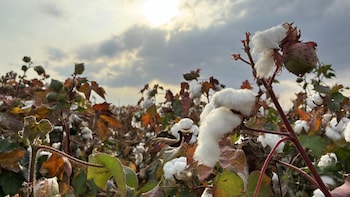
The summit comes after a year of punishing heatwaves in Europe, major wildfires in Indonesia and catastrophic floods in Nepal, with an exceptionally strong El Nino weather phenomenon fuelling more climate chaos.
 Saturday | November 07, 2026
Tensions over water supply have existed in the Middle East, the world's most water-stressed region, for decades. Syria and neighboring Iraq have long accused Turkey, which sits further upstream, of restricting flows, which Turkey denies.wo
 AFP | Wednesday | November 04, 2026 , Switzerland
The UN agency's report, released days before the COP31 climate change conference kicks off, proposed heat-health warning systems and climate-resilient infrastructure for drinking water and sanitation.
'climate change' - 2 Photo Result(s)



Oxfam has decades of experience in providing support, care and relief in times of crisis like these. From famine to Ebola we care for the poorest of the poor and help them survive and overcome tragedies like these.
Over the last decade itself, Oxfam India has delivered more than 40 highly effective humanitarian responses across the country; it has reached out to nearly 1.3 million people in India directly and supported affected communities of many times greater than size indirectly through recovery and Disaster Risk Reduction (DRR) interventions.
Oxfam India ensures that no one is discriminated against and no one is left behind. Let’s not forget those who have no homes, jobs, food.
Women and children need your support in this fight against coronavirus. Don’t leave them behind. They need our compassion and care.