



'menopause' - 589 News Result(s)
 Written by Debosmita GhoshThursday | November 26, 2026
MonaLisa Touch is a non-surgical, minimally invasive vaginal laser procedure. It uses fractional carbon dioxide (CO2) laser energy to create tiny areas of controlled thermal injury in vaginal tissue. The main aim is to relieve vaginal symptoms rather than change the appearance of the vagina.
 Written by Vaishnavi MishraTuesday | November 24, 2026
The investor says the show's visibility lets her use national television to speak on contested topics, among them IVF, menopause, the 70-hour workweek and stray dogs.
 Written by Dr Navina SinghSunday | November 08, 2026
Phthalates, found in certain plastics and personal care products, are potent endocrine disruptors, a classification that is well established and firmly supported by research.
 Written by Debosmita GhoshSaturday | November 07, 2026
As people age, muscle mass can gradually decline, metabolism may change and bone health may reduce. Hormonal changes, particularly around menopause in women, can also affect body composition, bone density and cardiovascular health. Regular physical activity can help manage some of these changes.
 Written by NDTV Health DeskSaturday | November 07, 2026
A nutritionist recently shared why women should pay attention to their blood sugar levels instead of waiting for a health problem to appear.
 Knee Pain In Women Over 50 Is Not Normal: Orthopaedic Surgeon Says These 4 Things Are Non-NegotiableWritten by Varsha VatsThursday | November 05, 2026
While knee pain is prevalent among women in their 50s, it should not be viewed as a normal part of ageing.
 Written by Shreya GoswamiTuesday | November 03, 2026
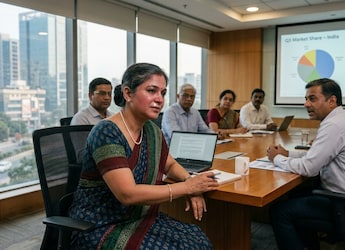
Menopause can affect women's careers through brain fog, fatigue, anxiety and declining confidence, a new study finds.
 Written by NDTV Health Desk , Edited by Debosmita GhoshThursday | October 29, 2026
From bloating and constipation to changes in gut bacteria, Dr Saurabh Sethi explains five ways menopause may affect digestion.
 Edited by Srishti Singh SisodiaThursday | October 22, 2026
The woman didn't experience any typical pregnancy symptoms. Since her periods had stopped, she assumed she was just entering perimenopause.
 Written by Shreya GoswamiTuesday | October 20, 2026
A new Indian review estimates osteoporosis prevalence at 14.6% among men in the studies analysed.
 Written by Ambika Singh KahmaTuesday | October 20, 2026
Menopause is widely discussed in terms of hot flashes, sleep disturbances and mood changes. But as estrogen levels decline, women can also lose bone density without knowing it.
 Written by Dr Prof Raju VaishyaTuesday | October 20, 2026
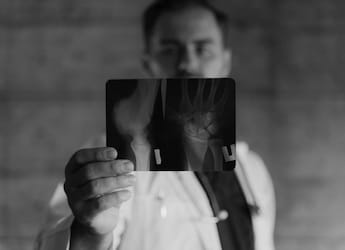
Persistent back pain may signal spinal fractures caused by osteoporosis, especially in older adults or those with risk factors.
 Written by Shreya GoswamiTuesday | October 20, 2026
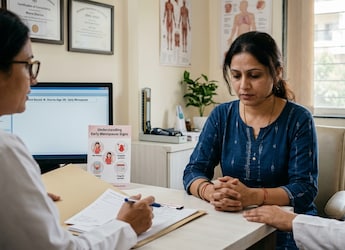
From sedentary lifestyles and vitamin D deficiency to poor diets, discover why young Indians must prioritise bone health and the warning signs they should never ignore.
 Written by Dr Yashica GudesarSunday | October 18, 2026
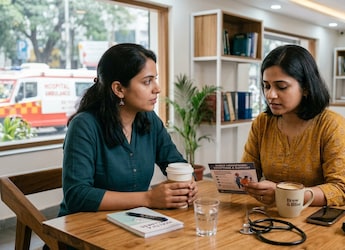
Menopause is a natural life stage, but its impact on health should not be overlooked. Early recognition, open conversations and timely medical guidance can help women manage this transition.
 Edited by NDTV Lifestyle DeskSunday | October 18, 2026
The actor shared her upper-body workout and encouraged women to focus on strength training, nutrition and rest during menopause.
 Written by Shreya GoswamiSunday | October 18, 2026
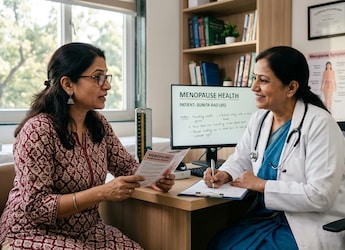
Early menopause can affect Indian women during their busiest working years, with symptoms often mistaken for stress or burnout. Doctors explain the warning signs, health risks, India-specific statistics and why early diagnosis matters.
 Written by Debosmita GhoshThursday | October 15, 2026
Pregnancy after the age of 35 is generally classified as advanced maternal age. The risks can increase further in the 40s and 50s, depending on a woman's overall health, fertility history and other factors. Here are some health concerns associated with late pregnancy.
 Thursday | October 15, 2026
Analysing more than 300 million laboratory test results from over one million women in the US and Israel, researchers identified abrupt changes in dozens of measures of bodily health and function, far beyond the familiar shifts in sex hormone levels and the loss of fertility.
 Written by NDTV Health DeskThursday | October 15, 2026
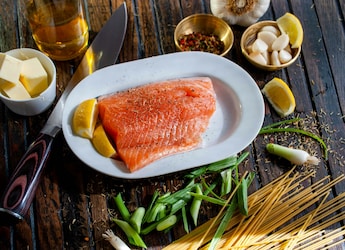
While some health concerns need medical care, small changes in habits can also make a difference.
 Written by Varsha VatsWednesday | October 07, 2026
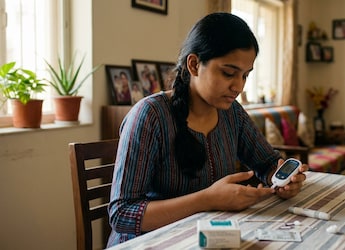
Women can experience unique challenges with insulin resistance, particularly during phases such as pregnancy or menopause.
 Written by Dr Shibal BhartiyaSaturday | October 10, 2026
Estrogen and androgens both support tear production and the vital lipid (oil) layer secreted by the eyelids that keeps tears from evaporating too fast. As levels decline through perimenopause, tear quantity and quality drop.
 Wednesday | September 30, 2026
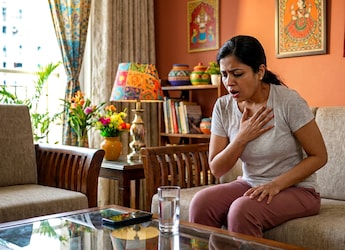
"Women often experience milder or atypical symptoms compared to the classic presentation," said Dr Rajiv Narang, Professor ad HOD, Department of Cardiology, AIIMS Delhi.
 Written by Debosmita GhoshTuesday | September 29, 2026
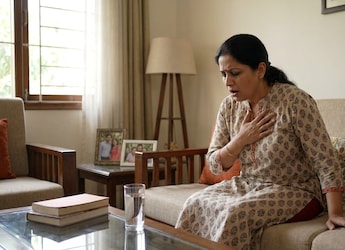
The link between early menopause and heart health is important because heart disease is one of the major health concerns for women. Recognising early menopause as a possible heart risk can help women and doctors focus on prevention and screening.
 Written by Varsha VatsMonday | September 14, 2026
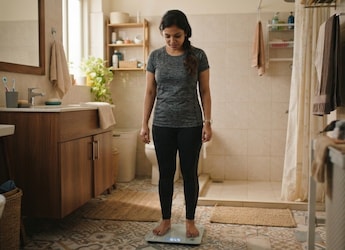
One primary reason is that women typically have a higher body fat percentage than men. Additionally, hormonal fluctuations can impact metabolism, appetite, and fat storage, making weight management more complex for women.



Oxfam has decades of experience in providing support, care and relief in times of crisis like these. From famine to Ebola we care for the poorest of the poor and help them survive and overcome tragedies like these.
Over the last decade itself, Oxfam India has delivered more than 40 highly effective humanitarian responses across the country; it has reached out to nearly 1.3 million people in India directly and supported affected communities of many times greater than size indirectly through recovery and Disaster Risk Reduction (DRR) interventions.
Oxfam India ensures that no one is discriminated against and no one is left behind. Let’s not forget those who have no homes, jobs, food.
Women and children need your support in this fight against coronavirus. Don’t leave them behind. They need our compassion and care.