



'vaccinate india' - 1000 News Result(s)
 Saturday | November 28, 2026
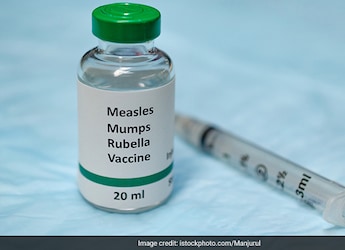
Measles is one of the most contagious infectious diseases. It commonly causes fever, cough, respiratory symptoms and a characteristic rash. In some children, however, the infection can lead to serious complications such as pneumonia and inflammation of the brain.
 Monday | November 23, 2026 , New Delhi
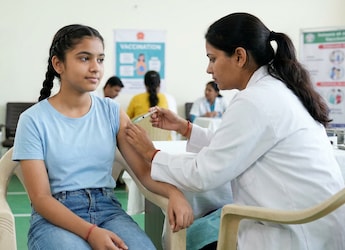
Prime Minister Narendra Modi on Monday hailed the achievement of administering more than one crore doses of the Human Papillomavirus (HPV) vaccine in India, covering nearly 87 per cent of the annual cohort of eligible girls.
- Saturday | November 21, 2026 , New Delhi
India has administered over 1 crore doses under its National Human Papillomavirus (HPV) Vaccination Campaign within nine months of its launch, achieving nearly 87 per cent coverage based on the 2021 population estimate of the annual target cohort of about 1.2 crore 14-year-old girls.
 Saturday | November 21, 2026 , Bhopal
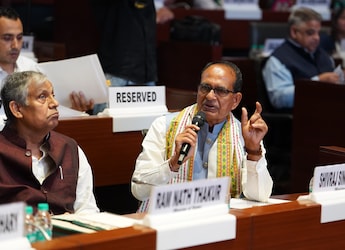
Union Agriculture Minister Shivraj Singh Chouhan launched India's first indigenous vaccine against H5N1 bird flu, developed by scientists at a Bhopal-based research institute on Friday.
 Friday | November 20, 2026 , New Delhi
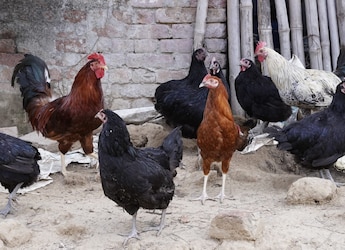
Union Minister of Agriculture and Farmers Welfare and Rural Development, Shivraj Singh Chouhan, will dedicate India's first "indigenous inactivated H5N1 Highly Pathogenic Avian Influenza (HPAI) virus vaccine" for poultry to the nation on Friday.
 Written by Sneha MordaniWednesday | November 18, 2026
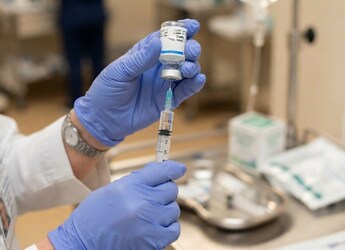
India's first homegrown bird flu vaccine will be rolled out on the 20th of November, the government has announced, and countries like China, Egypt and Vietnam have used bird flu vaccines for years. India now has a vaccine developed specifically against the H5N1 Clade 2.3.2.1a strain.
- Written by Tanushka DuttaWednesday | November 18, 2026
The national coverage stands at 79.51 per cent, with 91.82 lakh girls vaccinated against an identified target of around 1.15 crore, the report shows. Gujarat, Uttar Pradesh, Andhra Pradesh, Madhya Pradesh and Mizoram have recorded 100 per cent coverage.
 Written by Aishwarya Singh ChaudharyWednesday | November 18, 2026
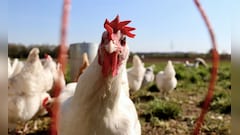
Developed by ICAR-NIHSAD, this inactivated vaccine targets the H5N1 Clade 2.3.2.1a virus responsible for bird flu outbreaks in chickens.
 Written by Shreya GoswamiWednesday | November 18, 2026
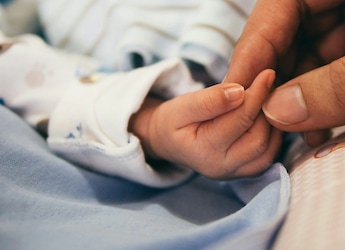
Thirteen babies in the US were diagnosed with congenital measles amid a rise in infections among pregnant women.
 Reported by Sneha Mordani, Edited by Shreya GoswamiWednesday | November 18, 2026
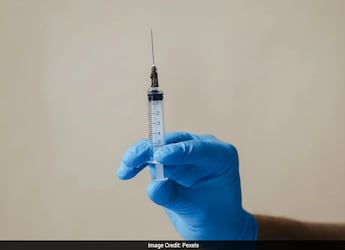
India's first indigenous H5N1 vaccine for poultry will be dedicated to the nation on November 20. The development comes amid fresh bird flu outbreaks in Tamil Nadu and Andhra Pradesh, highlighting the need for stronger disease prevention.
- Written by Debosmita GhoshTuesday | November 17, 2026
According to WHO, HPV vaccination is recommended for girls between 9 and 14 years of age. But countries may have their own schedules. The vaccine can also be given to boys in some countries because HPV can cause other cancers and vaccination can help reduce HPV transmission.
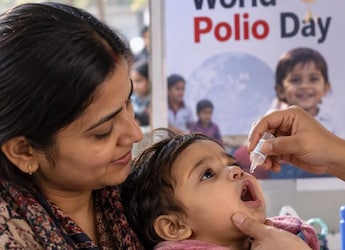 Sunday | November 15, 2026 , New Delhi
Pakistan's long-running battle against polio requires a sharper focus on reaching missed children, strengthening public trust and improving accountability, according to public health experts, who say repeated vaccination campaigns alone will not be enough to eliminate the disease.
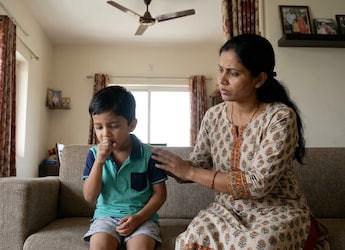 Written by Debosmita GhoshThursday | November 12, 2026
Pneumonia starts when an infection reaches the lungs and causes inflammation. The immune system responds to the infection, causing the air sacs to become inflamed and fill with fluid or pus. As the lungs become affected, oxygen exchange becomes harder.
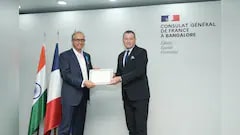 Thursday | November 05, 2026 , Bengaluru
Established on 3 December 1963 by French President Charles de Gaulle, the Ordre national du Meriteis one of France's two national orders of distinction.
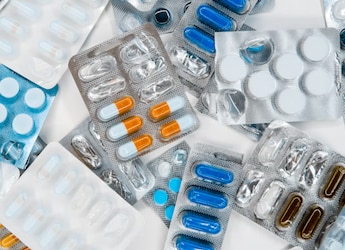 Tuesday | November 03, 2026 , New Delhi
India is emerging as a global healthcare partner through affordable medicines, large-scale public health programmes, digital innovation and traditional medicine research, offering a model that developing economies can emulate to improve healthcare access and resilience, a new report has said.
 Written by Dr Rajesh BhardwajThursday | October 29, 2026
In India, particularly across Delhi-NCR and North India, the combination of colder temperatures, rising air pollution and seasonal infections could add to the burden on the respiratory system.
 Written by Debosmita GhoshSaturday | October 24, 2026
Rabies is a viral infection that primarily spreads through the saliva of an infected mammal. It usually enters the human body when an infected animal bites or scratches someone.
 Written by Dr Prashanth S UrsSaturday | October 24, 2026
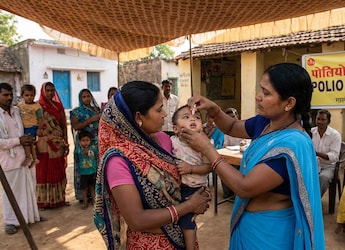
Parents often ask why a child who has received oral polio drops also needs an injectable polio vaccine. They may also wonder why additional drops are given during Pulse Polio campaigns after a child has completed routine vaccination.
 Edited by Kritika BobalFriday | October 23, 2026
Jaishankar said countries have several opportunities to come together and help each other, whether the issue is yoga, nutrition, energy or disaster management.
 Friday | October 23, 2026 , Gorakhpur
The incident prompted devotees who had consumed the 'charanamrit' during Durga Puja to seek vaccination as a precaution.
 Written by Padma Shri Dr Randeep GuleriaThursday | October 22, 2026
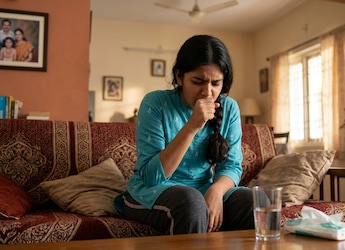
Preventing respiratory infections is therefore an important part of maintaining stable asthma control throughout the year.
 Written by Shreya GoswamiMonday | October 19, 2026
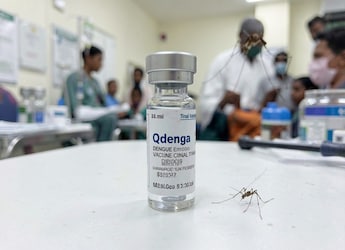
Tamil Nadu has launched a pilot initiative in Kadayanallur to assess the effectiveness of Qdenga, a dengue vaccine developed by Takeda. The study will help inform wider vaccination plans, while experts stress that mosquito control remains essential.
 Written by Sneha MordaniTuesday | October 13, 2026
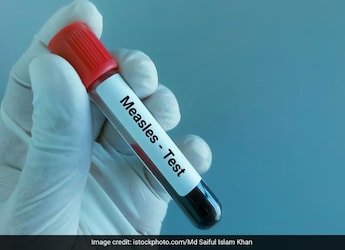
Measles is making a troubling comeback across the world, with major outbreaks reported in South Asia, the Americas, Africa and other regions. The latest figures highlight the scale of the challenge.
 Written by Varsha VatsTuesday | October 06, 2026
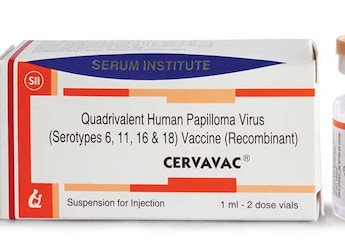
Previously approved for its use in India by the Drugs Controller General of India (DCGI), Cervavac is administered for the prevention of diseases caused by the four HPV type



Oxfam has decades of experience in providing support, care and relief in times of crisis like these. From famine to Ebola we care for the poorest of the poor and help them survive and overcome tragedies like these.
Over the last decade itself, Oxfam India has delivered more than 40 highly effective humanitarian responses across the country; it has reached out to nearly 1.3 million people in India directly and supported affected communities of many times greater than size indirectly through recovery and Disaster Risk Reduction (DRR) interventions.
Oxfam India ensures that no one is discriminated against and no one is left behind. Let’s not forget those who have no homes, jobs, food.
Women and children need your support in this fight against coronavirus. Don’t leave them behind. They need our compassion and care.