- Home/
- Physical, Social Factors May Together Account For Up To 9 Times Higher Risk Of Faster Brain Ageing: Study
Physical, Social Factors May Together Account For Up To 9 Times Higher Risk Of Faster Brain Ageing: Study
| Updated: April 06, 2026 19:32 IST

Physical, Social Factors May Raise Brain Ageing Risk 9 Times
Highlights
- Physical and social exposures can raise accelerated brain aging risk up to nine times
- Structural brain aging links to pollution, lack of green spaces, affecting key brain regions
- Social factors like poverty and inequality speed aging in brain areas for thinking and emotion
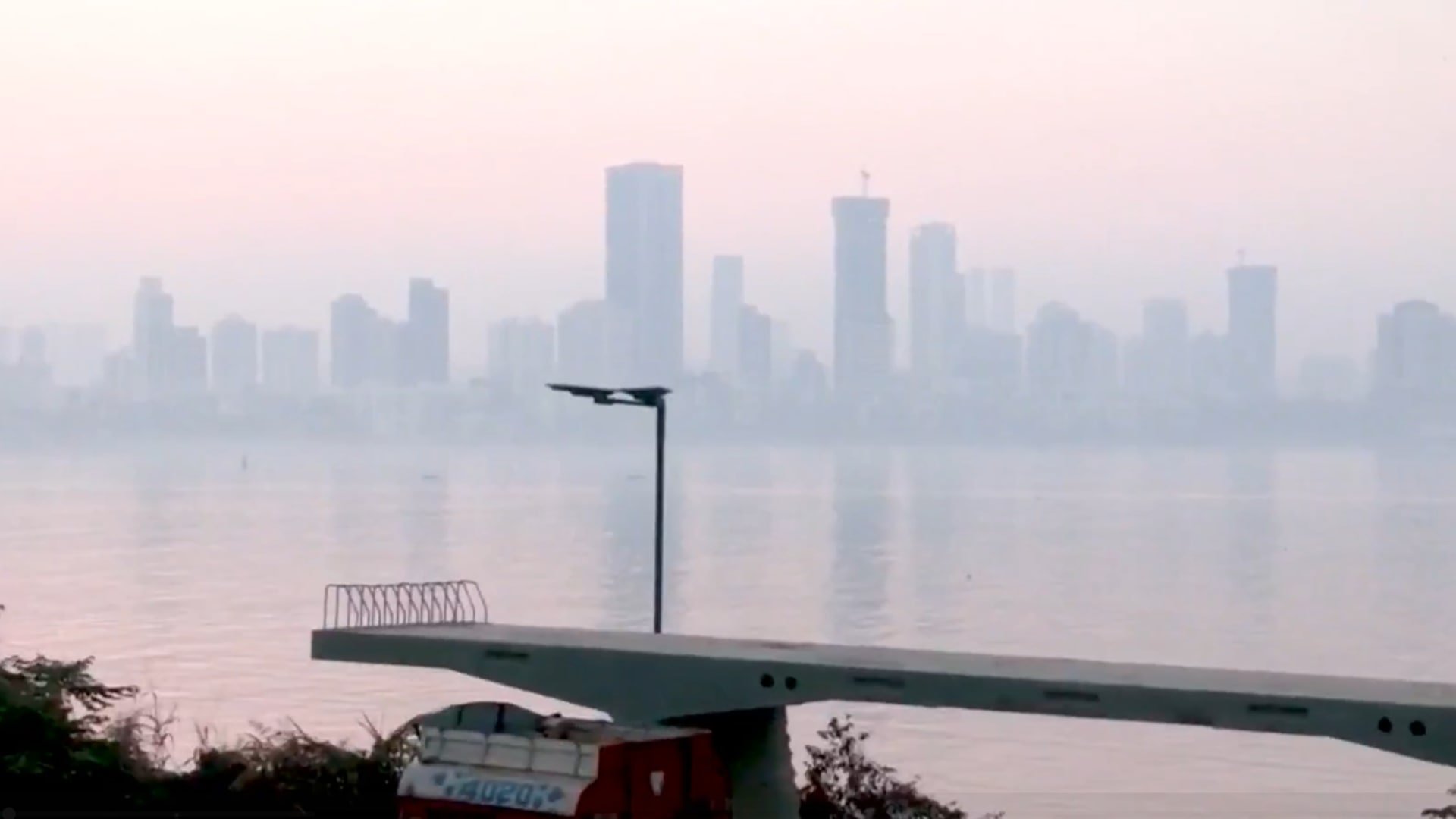
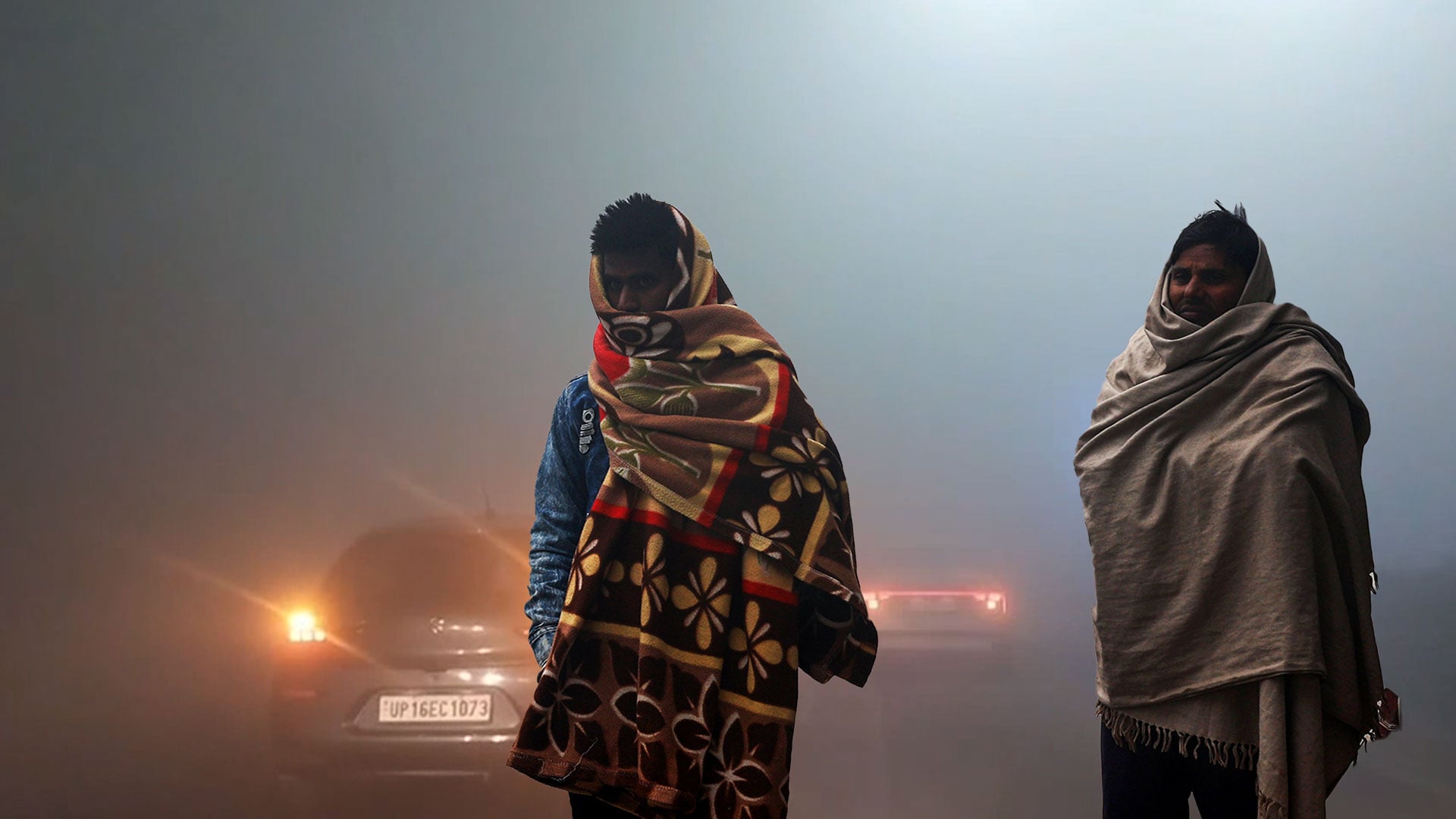
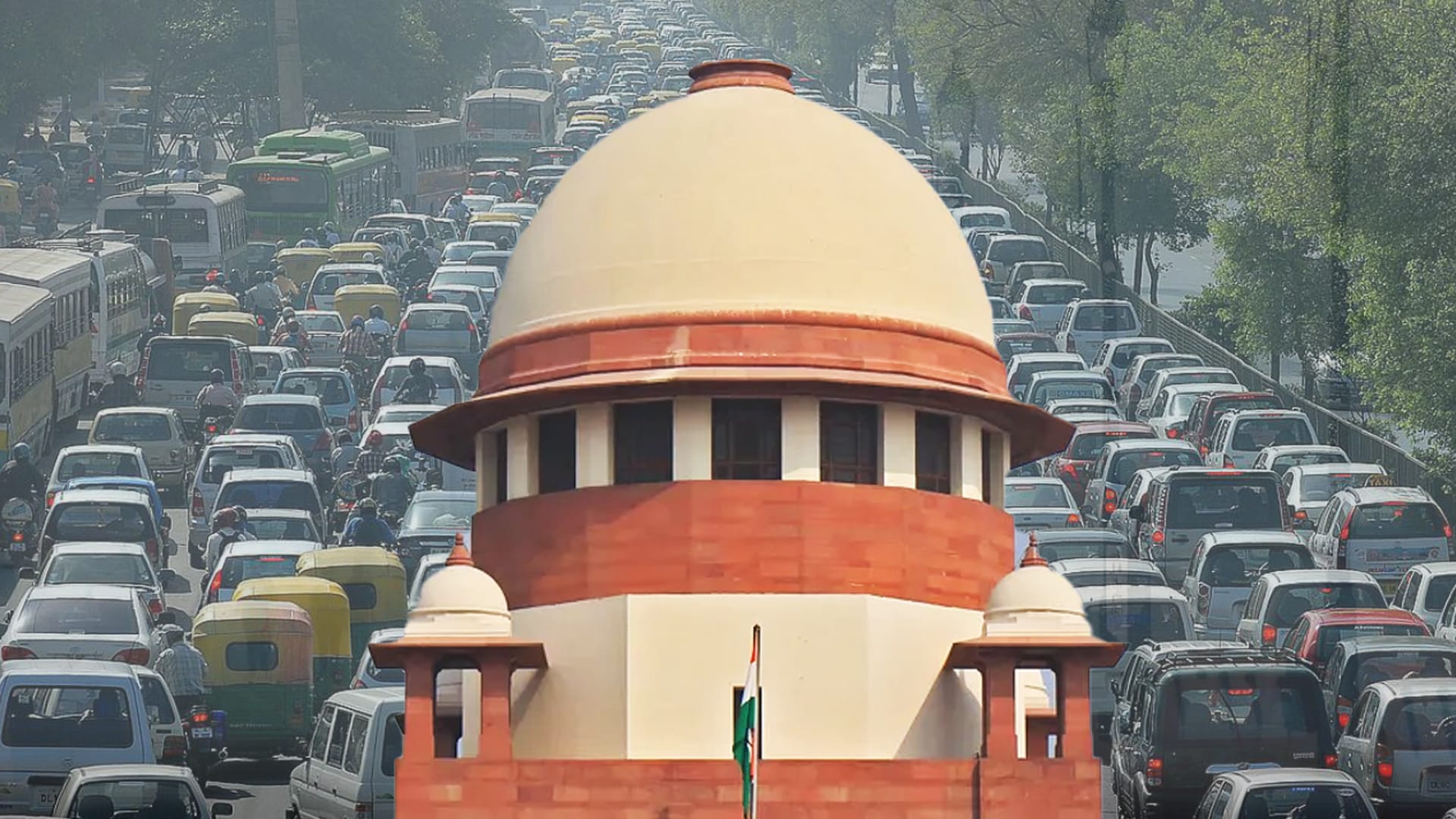
Physical and social exposures, including air pollution, extreme temperatures, lack of green spaces and socioeconomic inequality, could together account for up to a nine times higher risk of accelerated brain aging, according to an analysis. The study, published in the journal Nature Medicine, identified distinct but complementary brain markers -- physical exposures such as increased pollution and lack of green spaces were primarily associated with structural brain aging, affecting regions central to memory, emotional regulation, and autonomic (involuntary) functions.
Researchers from the Global Brain Health Institute (GBHI) at Ireland's Trinity College Dublin said the structural changes in the brain are consistent with mechanisms such as neuroinflammation, oxidative stress, and vascular dysfunction, all of which may contribute to tissue degeneration.
They also found that social exposures -- poverty, inequality, and a lack of support -- are linked to a faster aging in brain areas responsible for thinking, emotions, and social behaviour.
The team looked at data of 18,701 individuals from across 34 countries, including India.
They showed that the exposome, which is the cumulative of environmental, social, and sociopolitical exposures that one experiences throughout life, operate in a "syndemic manner" -- when two or more health problems occur together and interact in a way that makes each other worse.
"Exposome burden accounted for 3.3-9.1-fold higher risk of accelerated aging, exceeding effects of clinical diagnoses," the authors wrote.
Multiple co-occurring exposures can together have very large effects, shaping brain aging across both healthy individuals and those with neurodegenerative conditions, they said.
First author Agustina Legaz, a fellow at GBHI and researcher at San Andres University in Argentina, said the work "provides a quantitative framework to understand how multiple environmental exposures jointly shape brain aging beyond individual determinants".
Seventy three environmental factors were measured at country-level, with indicators spanning air pollution, climate variability, green space, water quality, socioeconomic inequality, and multiple indicators of political and democratic contexts.
When modelled jointly, the factors could explain up to 15 times more variation in brain aging than exposure due to a single factor alone, the study found.
The result highlights a key shift -- environmental influences on brain health are cumulative and non-linear, with interactions across domains amplifying their biological impact, the researchers said.
Hernan Hernandez, co-lead author and researcher at the Latin American Brain Health Institute (BrainLat) at Chile's Adolfo Ibanez University, said, "The inclusion of multiple countries and clinical groups highlights the global diversity of syndemic effects on brain health." The researchers said current strategies that promote a healthy brain aging often focus on individual behaviours or treating symptoms and address only a part of the risk landscape.
Many drivers of brain aging operate at broader structural levels, including environmental conditions, social inequalities, and institutional stability, they said.
Policies that reduce air pollution, expand access to urban green spaces, improve water quality, and strengthen social protection systems may therefore have measurable benefits for brain health at the population level, the team said.
(Except for the headline, this story has not been edited by NDTV staff and is published from a syndicated feed.)
Published: April 06, 2026 19:32 IST
also read
Government's Rs 22,000-Crore Plan To Fix Delhi's Yamuna, Air Pollution
Reported by Ishika VermaDelhi Allows Only BS-VI, EV Goods Vehicles From November; 62 Traffic Hotspots Targeted
Edited by Nikhil PandeyPeople With Obstructive Sleep Apnea Have 71% Higher Risk Of Heart Attacks, Stroke And Death: Study
IANS