- Home/
- What Is Bronchial Asthma And Why Cold Weather Makes It Worse
What Is Bronchial Asthma And Why Cold Weather Makes It Worse
Written by Shreya Goswami | Updated: January 06, 2026 13:53 IST
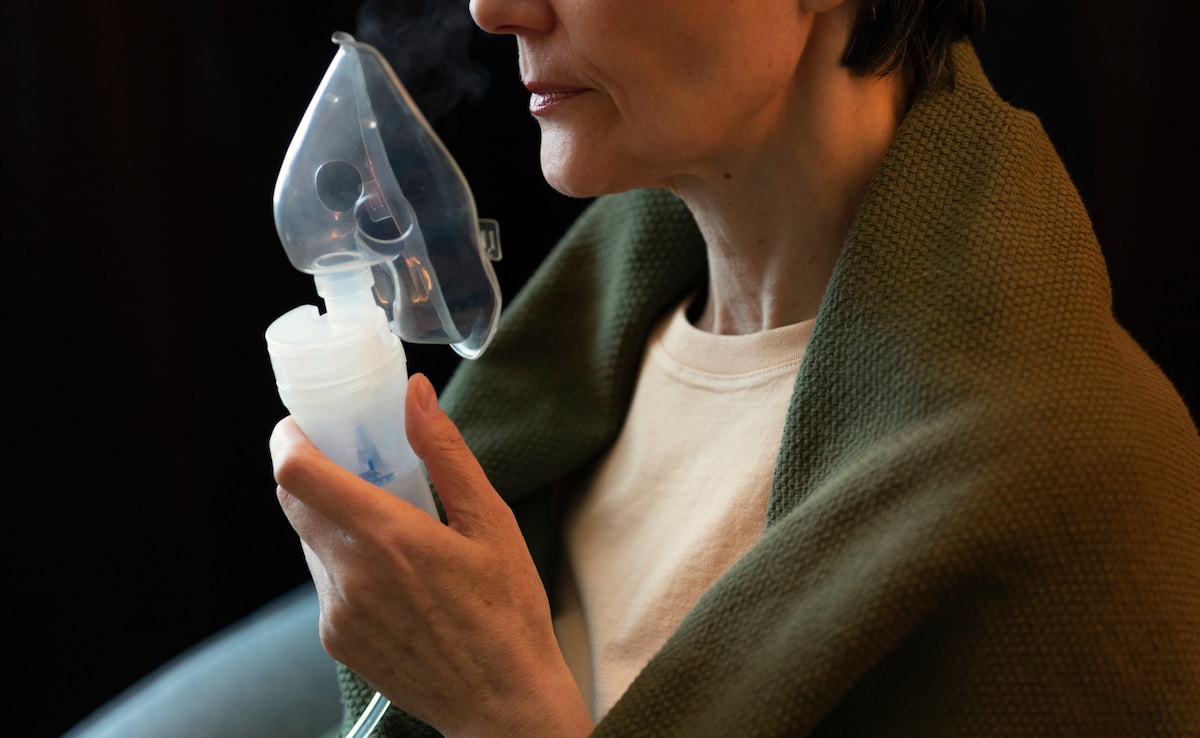
Bronchial asthma, a chronic inflammatory disease of the airways, has once again come into public focus after Congress leader Smt. Sonia Gandhi was admitted to Sir Ganga Ram Hospital, Delhi, on January 5, following respiratory discomfort. According to Dr Ajay Swaroop, Chairman of the hospital, her bronchial asthma was mildly exacerbated due to the combined effects of cold weather and pollution, and she was admitted as a precautionary measure. Hospital authorities confirmed that her condition is stable and she is responding well to treatment.
Such winter-related asthma flare-ups are not uncommon. Every year, hospitals across north India report a sharp rise in asthma-related emergency visits and admissions during colder months, particularly among older adults, children and those with pre-existing respiratory conditions. Public health data from multiple Indian cities have consistently shown that low temperatures, high air pollution levels and increased respiratory infections together create a high-risk environment for asthma patients.
This underlines an important health question: What exactly is bronchial asthma, and why does cold weather make symptoms worse? Understanding this can help patients recognise early warning signs, take preventive steps and avoid severe exacerbations that require hospital care.
What Is Bronchial Asthma?
Bronchial asthma is a chronic inflammatory disorder of the airways in which the bronchial tubes become overly sensitive to various triggers. According to the Global Initiative for Asthma (GINA), asthma is characterised by recurrent episodes of:
- Wheezing
- Breathlessness
- Chest tightness
- Cough, especially at night or early morning
In asthma, airway inflammation leads to bronchoconstriction (narrowing of airways), excess mucus production and swelling of the airway lining, making it difficult for air to move in and out of the lungs. Symptoms can vary in severity, ranging from mild discomfort to life-threatening attacks.
The World Health Organization (WHO) estimates that asthma affects over 260 million people globally and causes more than 450,000 deaths each year, many of which are preventable with proper diagnosis and treatment.
Why Does Asthma Get Worse in Cold Weather?
- Cold Air Triggers Airway Narrowing: Breathing in cold, dry air can directly irritate the airways. Research published by respiratory health organisations shows that cold air causes reflex tightening of airway muscles, leading to wheezing and shortness of breath. For asthma patients, this reaction is often exaggerated.
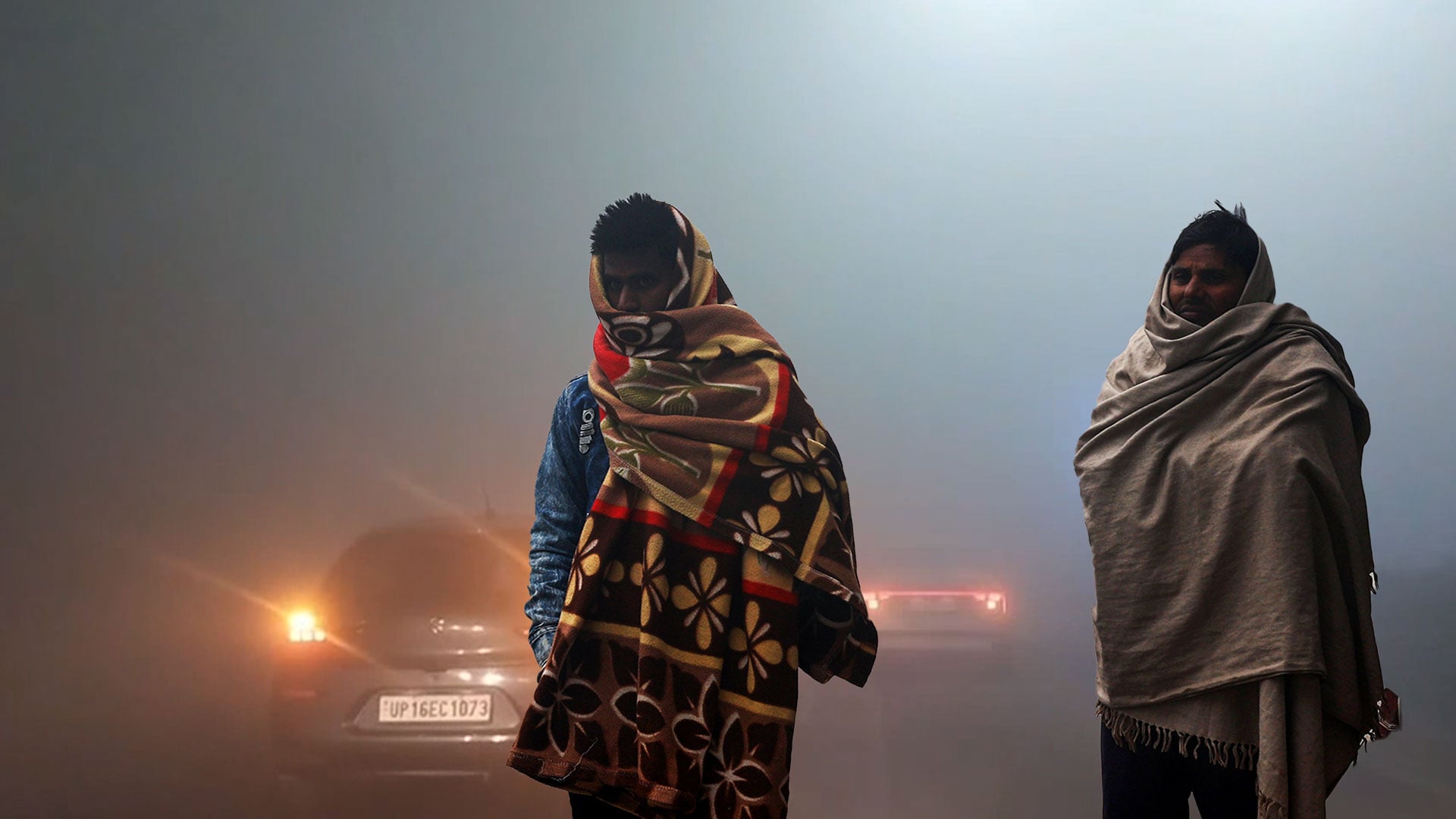
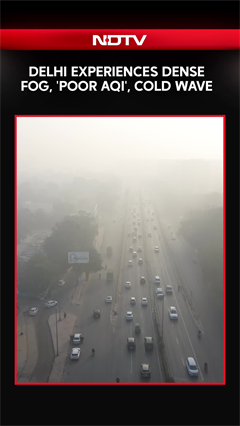
- Increased Air Pollution in Winter: Winter months in north India are associated with higher levels of particulate matter (PM2.5 and PM10) due to temperature inversion, vehicular emissions and biomass burning. According to WHO, air pollution is a major trigger for asthma exacerbations, worsening inflammation and increasing the need for rescue medication and hospitalisation.
- Rise in Respiratory Infections: Cold weather coincides with a spike in viral respiratory infections, such as influenza and the common cold. The US Centers for Disease Control and Prevention (CDC) and WHO both note that viral infections are among the most common causes of asthma attacks, especially in older adults and children.
- Indoor Triggers Increase in Winter: During winter, people spend more time indoors, increasing exposure to dust mites, mould, pet dander and indoor air pollutants. Poor ventilation can further worsen indoor air quality, aggravating asthma symptoms.
- Reduced Lung Defence Mechanisms: Studies suggest that cold air can impair the lungs' natural defence mechanisms, making asthma patients more vulnerable to inflammation and infection, thereby increasing the risk of severe exacerbations.
Who Is at Higher Risk of Winter Asthma Exacerbations?
According to GINA and WHO, the risk is higher in:
- Older adults
- Children
- People with poorly controlled asthma
- Those exposed to high pollution levels
- Individuals with co-existing respiratory or cardiac conditions
How Can Winter Asthma Attacks Be Prevented?
Health authorities recommend the following preventive steps:
- Continue prescribed inhaled corticosteroids regularly
- Cover nose and mouth with a scarf when outdoors to warm inhaled air
- Monitor air quality levels and limit outdoor exposure on high-pollution days
- Get vaccinated against influenza
- Maintain indoor cleanliness and ventilation
- Seek medical advice early if symptoms worsen
The recent hospitalisation of Sonia Gandhi due to a mild bronchial asthma exacerbation serves as a timely reminder that asthma is a chronic condition that can worsen significantly during winter, especially when cold weather and air pollution combine. Bronchial asthma may be manageable, but it requires consistent treatment, trigger avoidance and early medical attention. With rising pollution levels and seasonal temperature drops, recognising early warning signs and taking preventive measures can help reduce hospitalisations and save lives.
Disclaimer: This content, including advice, provides generic information only. It is in no way a substitute for a qualified medical opinion. Always consult a specialist or your own doctor for more information.
Published: January 06, 2026 13:48 IST