- Home/
- "Why Can't 9 Tolls Be Shut Till Jan?" Supreme Court On Delhi Air Pollution
"Why Can't 9 Tolls Be Shut Till Jan?" Supreme Court On Delhi Air Pollution
Reported by Nupur Dogra | Updated: December 17, 2025 17:57 IST
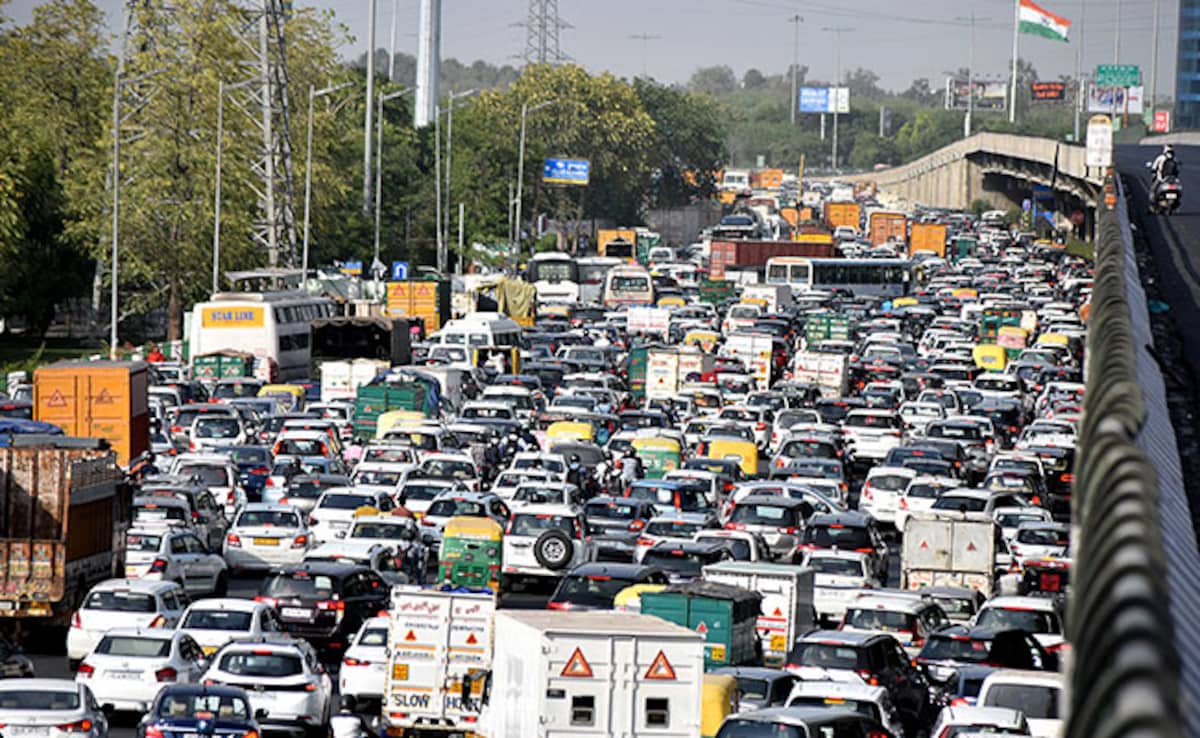
The trigger for the court's intervention was situation at toll plazas on the Delhi-Gurgaon border.
Highlights
- The Supreme Court criticised NHAI and MCD over toll plazas causing traffic and pollution issues.
- The Chief Justice asked why tolls cannot be suspended until January 31 during high pollution.
- Court will audit MCD's toll revenue and highway maintenance expenses for transparency
New Delhi :
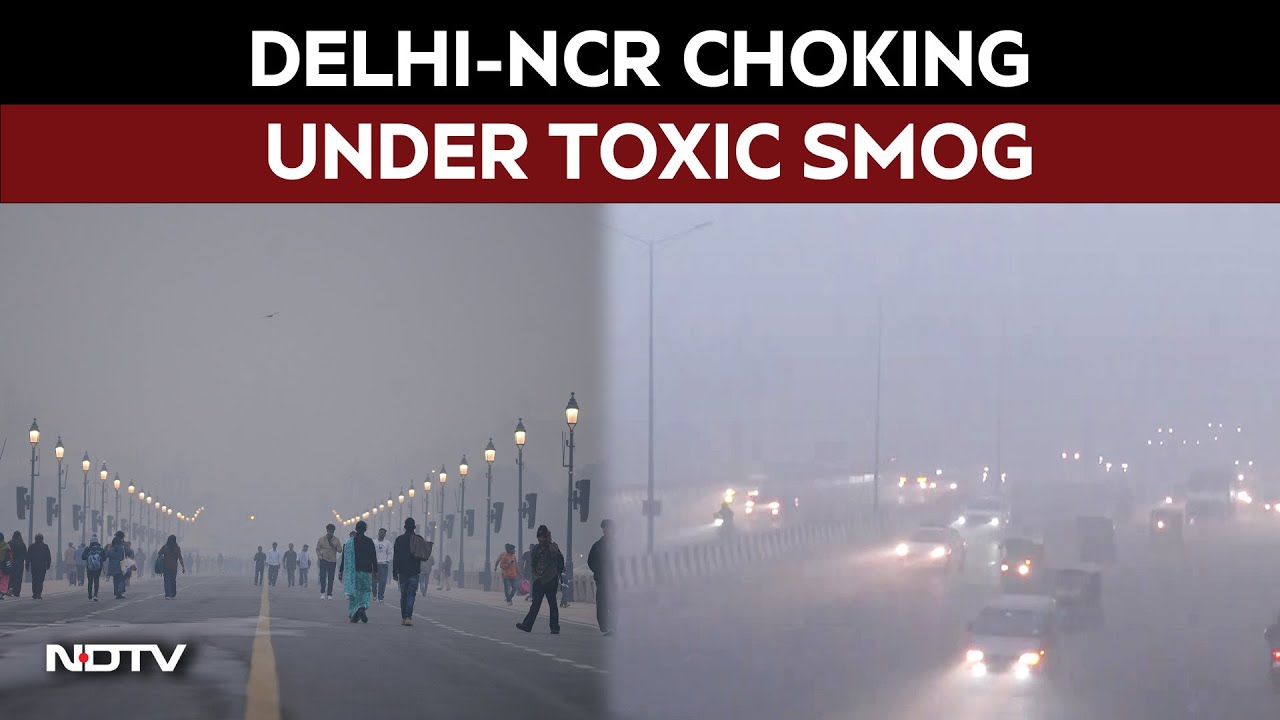
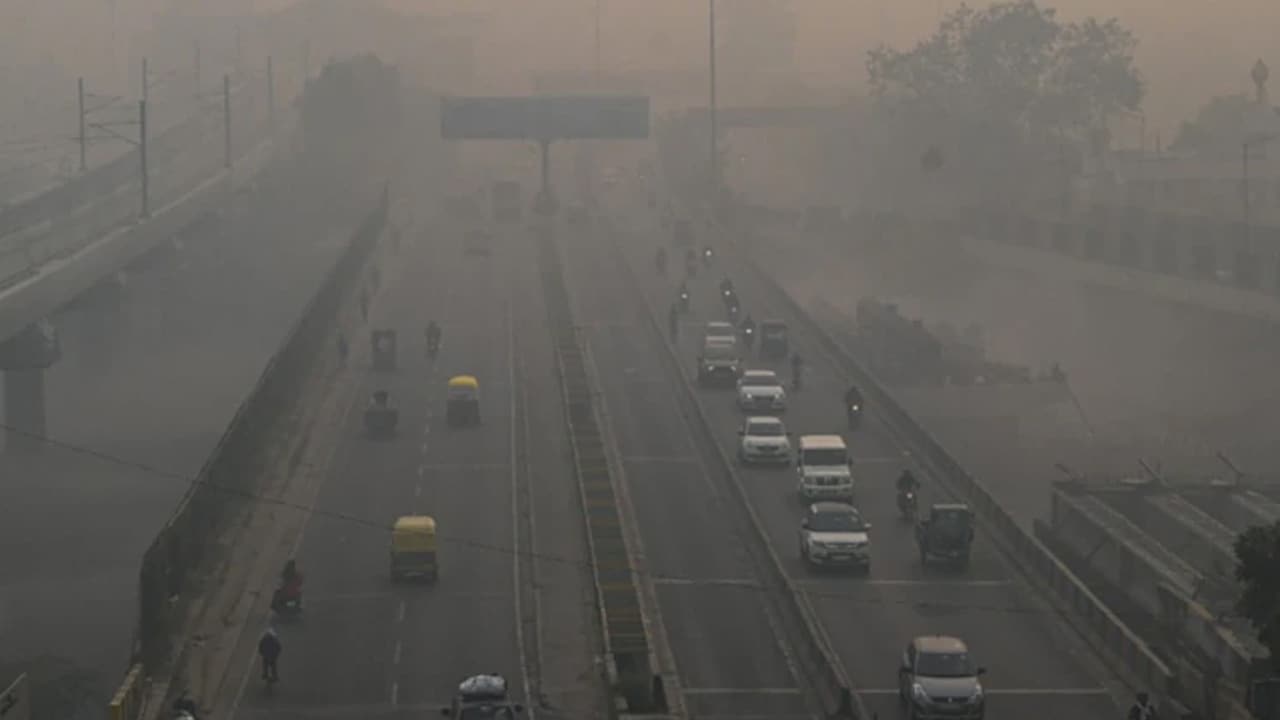
The Supreme Court on Tuesday issued a sharp notice to the National Highways Authority of India (NHAI) and came down heavily on the Municipal Corporation of Delhi (MCD) over the operation of toll plazas at key entry points to the national capital, particularly along the Delhi-Gurgaon border, saying the toll booths were causing hours-long traffic congestion, aggravating air pollution and generating avoidable public hardship.
Chief Justice of India Surya Kant questioned the rationale behind the continued collection of tolls at congested urban borders and asked civic authorities why they could not suspend toll collection until January 31 next year, when pollution levels are at their most severe.
"We are not against tolls," the Chief Justice said during the hearing. "But you must find a way so that there is no toll till January 31. Tomorrow, will you put a toll plaza in Connaught Place as well, just because you need money?"
Addressing the MCD, the court said it would examine how much revenue was actually being generated from toll plazas and how much was being spent on the maintenance of highways and related infrastructure.
"We will check how much you earn from these toll plazas and how much you spend on maintaining highways," the court told the civic body, signalling a deeper audit of toll-related finances.
The Chief Justice added that while the court did not have exact figures on MCD's income from tolls, it was evident that the toll plazas were "definitely generating a lot of litigation", an observation that drew attention to the repeated legal challenges and public grievances surrounding toll operations in Delhi.
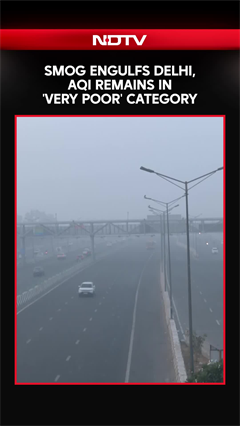
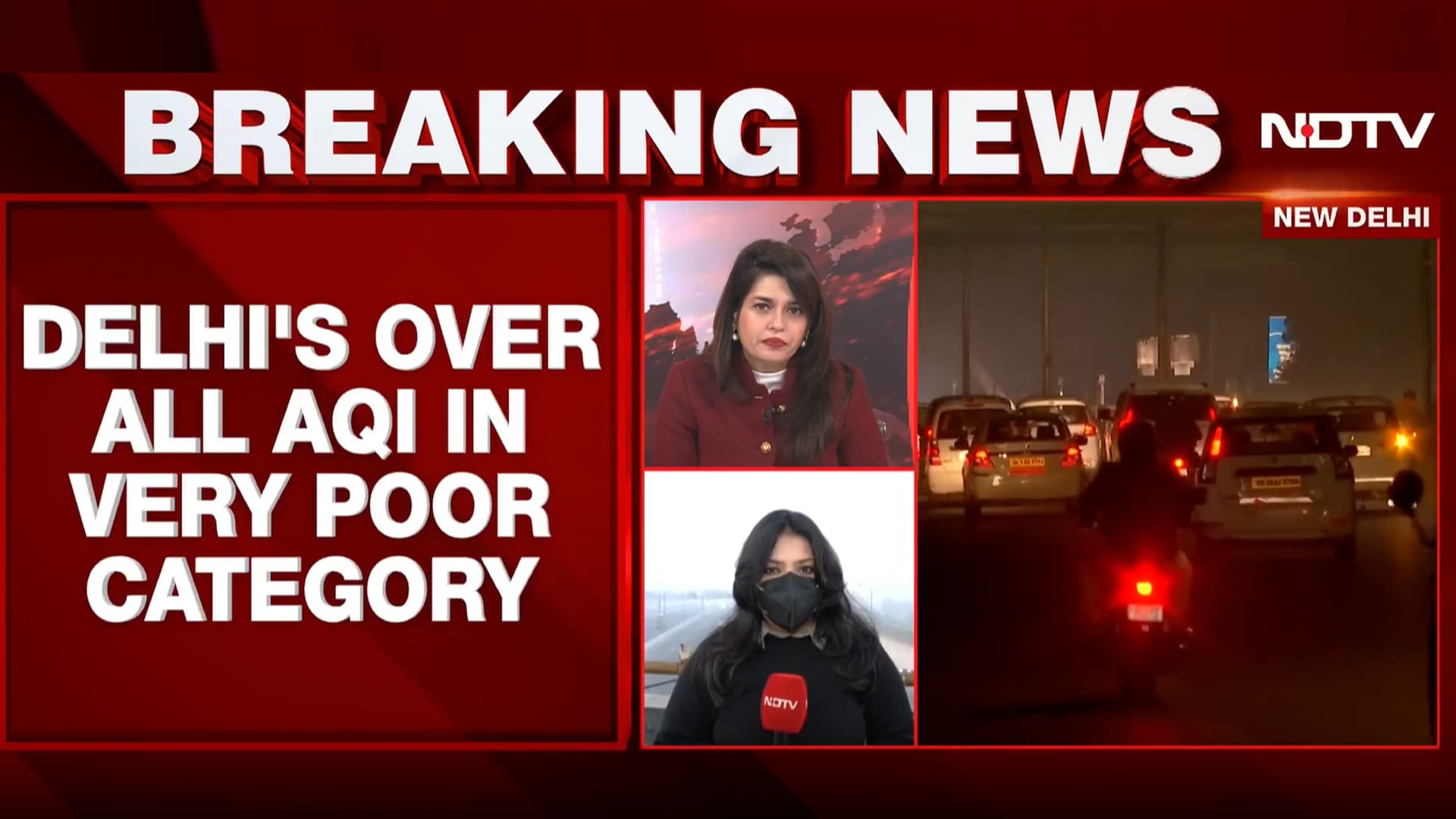
The immediate trigger for the court's intervention was the situation at toll plazas on the Delhi-Gurgaon border, where vehicles are frequently stranded for hours. The resulting long queues, the court was told, have become a routine source of massive traffic snarls and a contributor to worsening air quality in the capital region.
"Why can't Gurugram toll be shut till January?" the Supreme Court asked, adding that "air purifiers are not the solution."
The bench was informed that congestion at these toll points leads to idling vehicles, higher emissions and mounting frustration among commuters, many of whom avoid travel altogether due to fear of being stuck for prolonged periods.
"People do not go to attend functions because they are afraid of the traffic," the Chief Justice observed. "Vehicles are stranded there only because of the toll plaza."
The court expressed particular concern that such congestion persists even during periods of high pollution, when restrictions on vehicular movement are otherwise imposed in the public interest.
The Supreme Court asked the NHAI to consider whether the nine toll collection booths currently operated by the MCD in Delhi could be shifted to locations manned by the highway authority.
Under the court's suggestion, NHAI could collect tolls at alternative points and divert a portion of the revenue to the MCD to compensate for any potential financial loss during the temporary suspension of toll collection at the city borders.
Published: December 17, 2025 16:07 IST