




Explore Coober Pedy: An Australian Town That Lives Underground
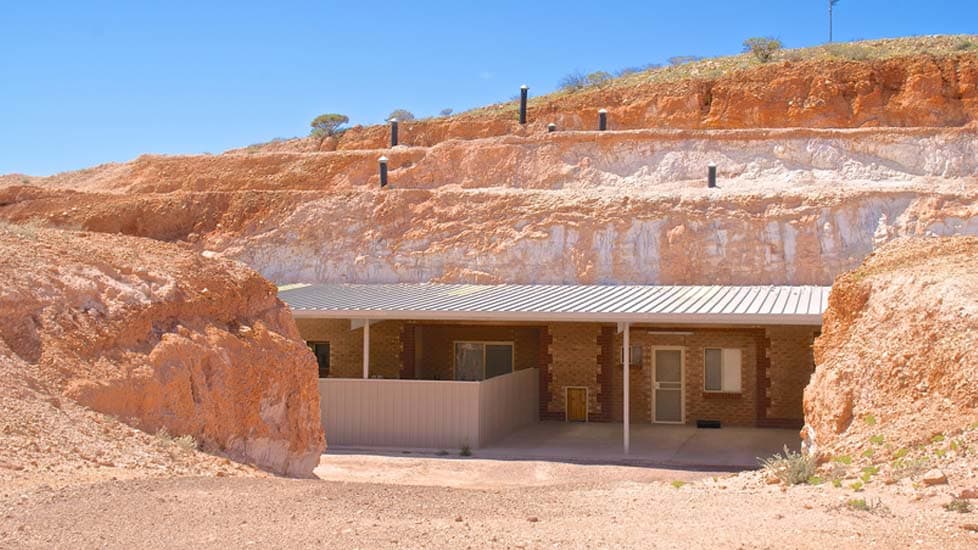
Australia isn't call down under for nothing! Come to Coober Pedy to know why. It's a bustling Australian town 846 km north of Adelaide, and here everyone lives underground.
Make way! #GLAadventure is all set to discover the cosmopolitan town of Coober Pedy now.


The small town of Glendambo provided a perfect mid-way break point!
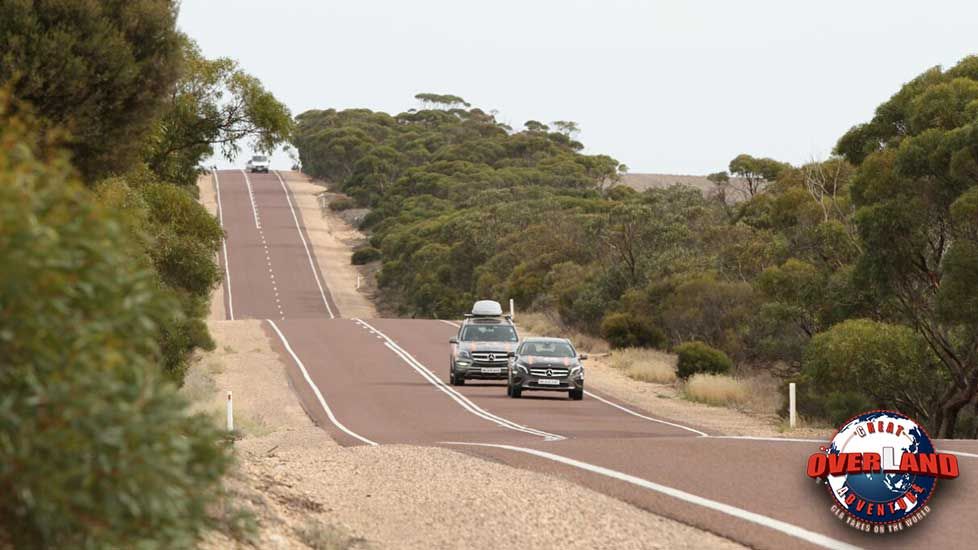
Glendambo came into existence when the main highway was realigned in 1982 which left Kingoonya 44 km off the main road. From Glendambo to Coober Pedy you'll face the longest stretch of 265km without any facilities, that makes Glendambo a must stop point on this highway.
Just a warning: Glendambo is called the city of flies, and now you know why.


Coober Pedy can well be defined as a place that looks pretty deserted, with only a few hotels; the place has the air of an abandoned town.
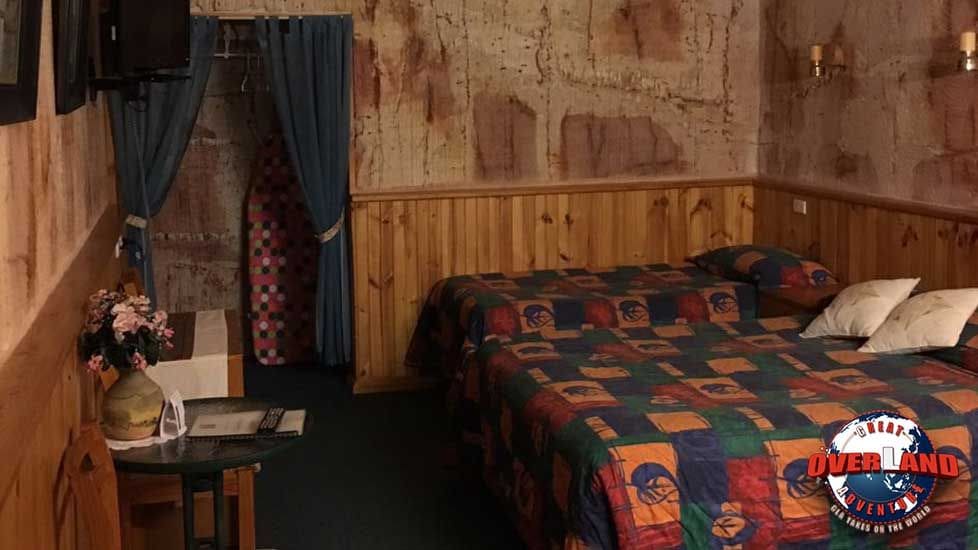
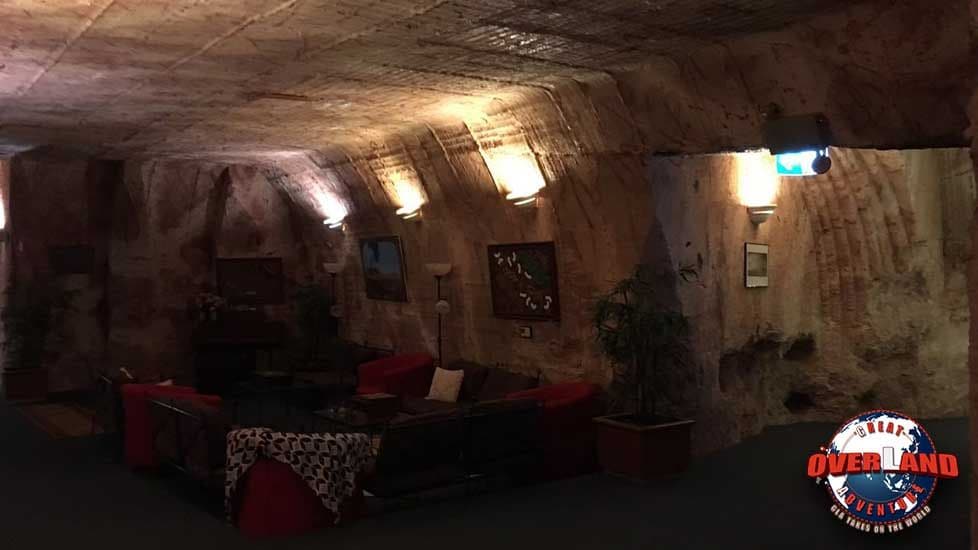
Just in case you are wondering why it's an underground town - The life above ground is pretty tough because of the scorching temperatures. In the summer, the temperature often exceeds 40 degrees Celsius (104 degrees Fahrenheit). So more than half of the town's families live underground because the temperatures are maintained at a pleasant 23-25 degrees C throughout the year.




NDTV in partnership with Luminous has launched an awareness campaign ‘Be A Bijli Donor’ to promote the idea of ‘save power for more power’. The idea is to conserve energy today in order to get more power tomorrow.
We inherently know that saving energy results in low energy bills, but we also need to understand that a unit of energy saved today makes it available for people still living in the dark or facing regular power cuts.
Saving power or conserving energy is about knowing the sources of energy, and areas of wastage and thereby eliminating these through technology and lifestyle changes. For instance, a 100 W (Watt) incandescent (ICL) bulb can be replaced with a 9 W LED bulb offering similar performance in terms of light output, but at far lower consumption of energy.
While a 100 W ICL bulb, used for four hours a day, consumes 146 units of energy per year, a 9 W LED bulb requires only 13.5 units per year. Clearly, switching to LED is a smart choice as it provides the same output while consuming 90 per cent less energy.
The focus of the campaign is to instill the idea of ‘save power for more power’ and in order to do so, the initiative will create awareness about energy efficient products and services, smart ways to reduce power consumption, alternate sources of energy like solar energy and the need to conserve energy. The idea is to address the rising need for energy conservation in India.
As part of the campaign, we will highlight the stories of individuals and organisations who are championing the cause of energy conservation by switching to renewable sources of energy, adopting innovations to reduce energy consumption while enjoying the same output. The initiative will provide a platform for all stakeholders to share their ideas and work towards the common goal of, ‘Save power for more power’.