




From 'Gatka' To 'Turai Kar', Usha Champions Revival Of Traditional Sports Across India
From reintroducing ancient martial art forms like "Gatka" in Haryana to organising community games such as "Turai Kar" in Kashmir, USHA is not only promoting physical well-being but also reconnecting communities across India with their forgotten traditional sports. Take a look!
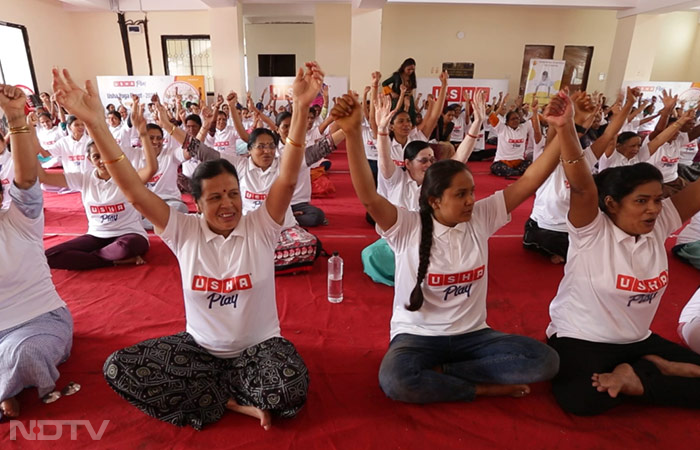
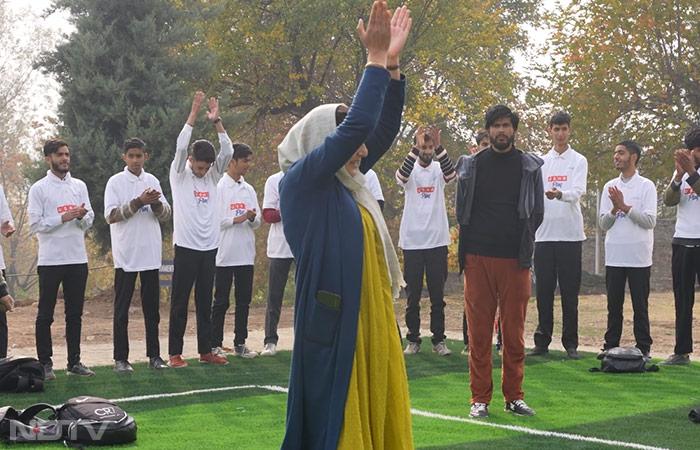
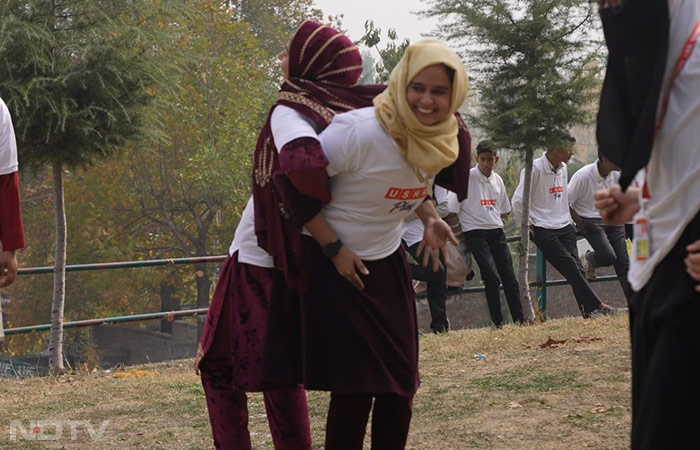
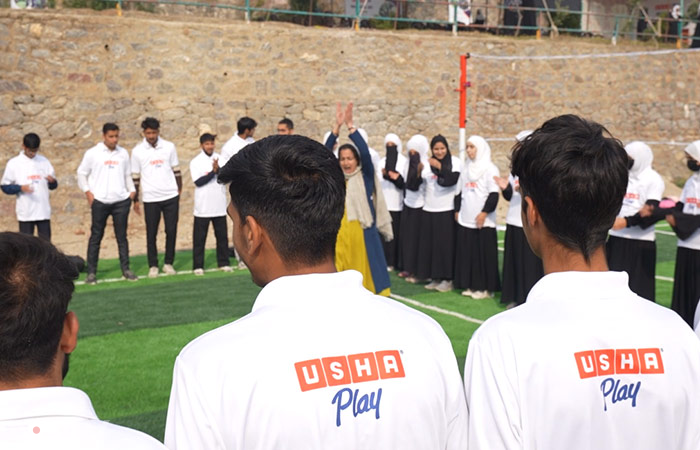
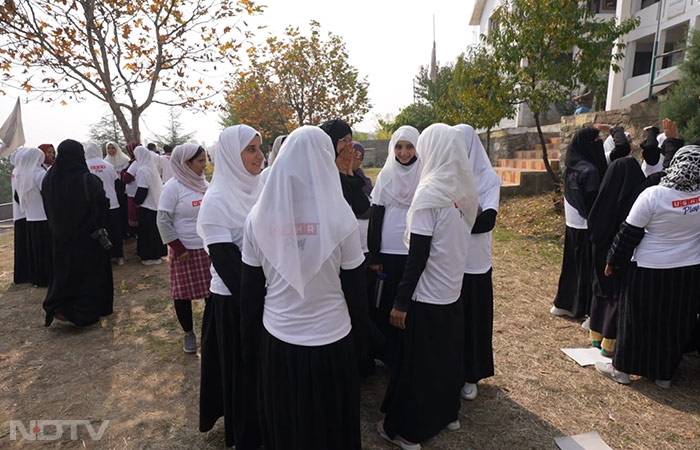
India boasts a rich tapestry of traditional sports, yet we have lost connection with our vibrant sporting heritage, with many sports teetering on the verge of dying. To revive these forgotten sports activities, Usha has taken the initiative to promote a diverse array of traditional sports across India, with the help of women from Silai Schools.
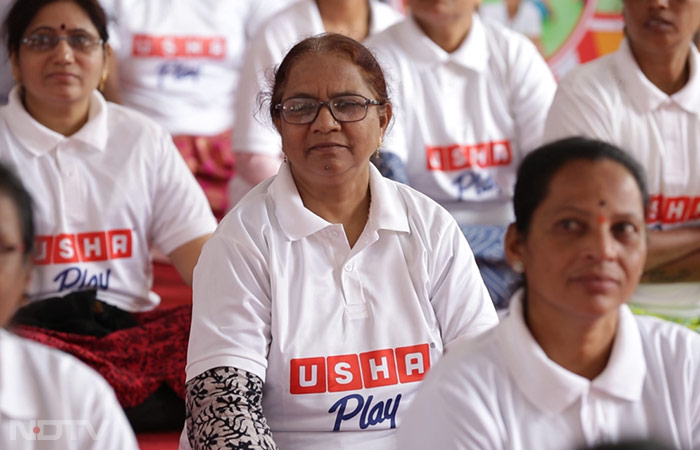
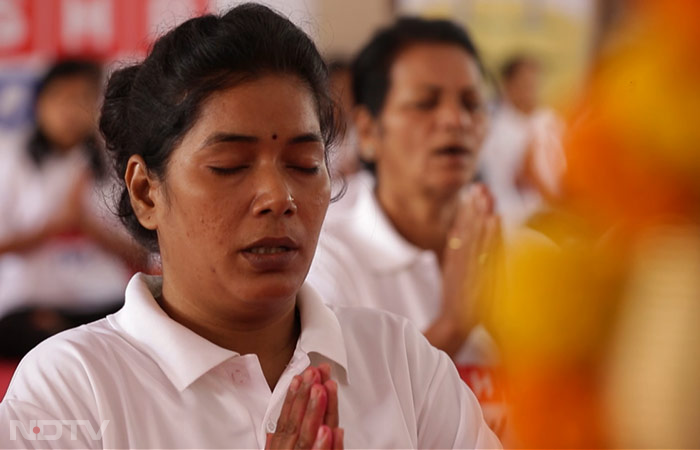
The women associated with the Usha Silai Schools have taken a lead role in organising, promoting and participating in sports and community events. In a concerted effort to foster the holistic well-being of the community, these women recently organised a Yoga camp for the women residing in Saswad in Pune, Maharashtra.
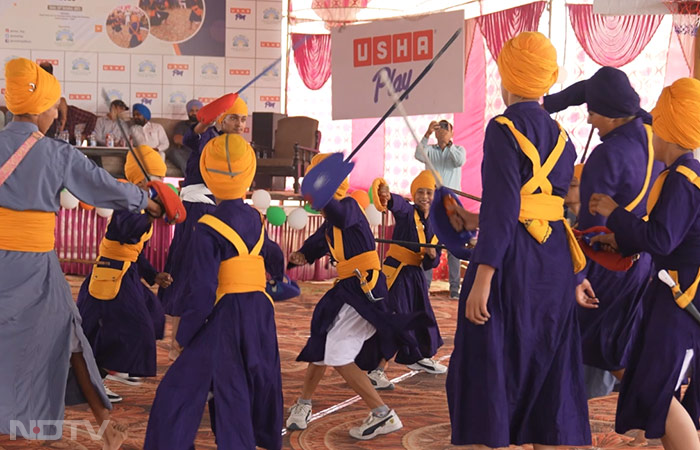
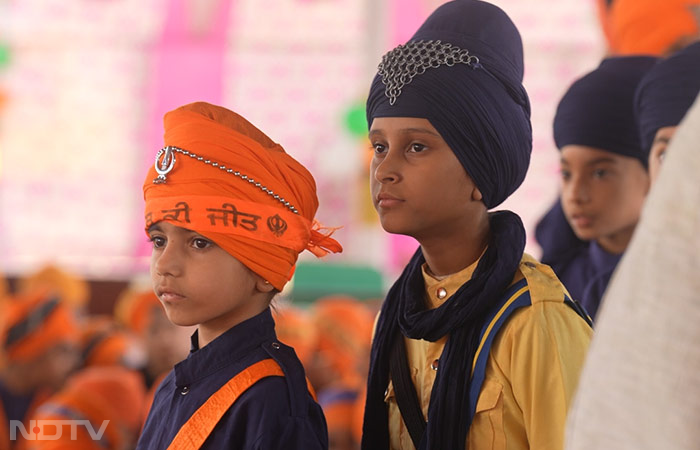
Gatka is a combat sport involving stick fighting using wooden sticks called "Soti," which was originally practiced by Sikh warriors during the martial era of the Sikh Gurus. "Gatka" is now practiced by "Gatkabaaz" in which the opponent counters the attacker's moves, creating a dynamic interplay of offensive and defensive techniques accompanied by footwork patterns.
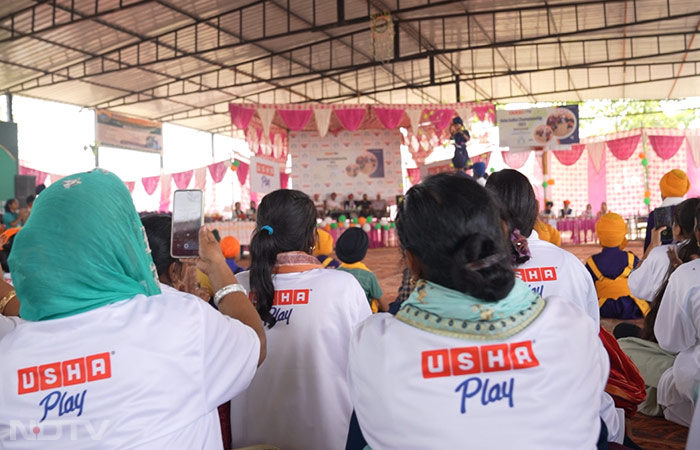
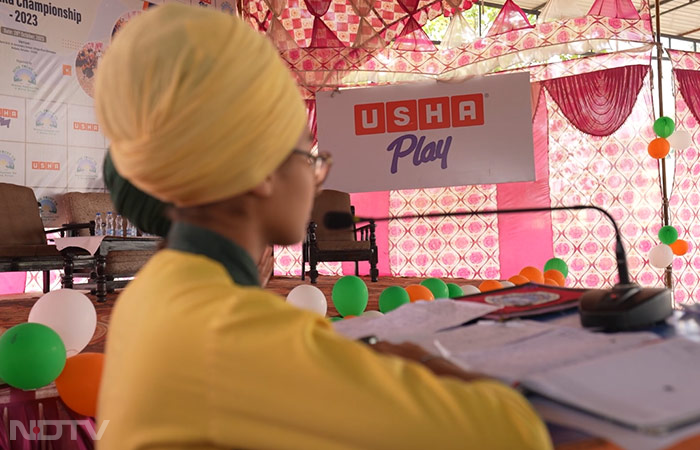
This forgotten sport is being revived through the Usha Gatka Championship organised in Haryana. The extraordinary women of the USHA Silai School are not mere onlookers; they actively participate in these rural sports events. Their determination and skill defy stereotypes and demonstrate that women are equally adept at achieving excellence, both within and beyond the realm of sewing machines. This underscores their ability to excel beyond their roles in sewing.
Traditional sports, such as Gatka, serve as gateways into cultural ceremonies, and time-honored traditions. This vibrant playground merges heritage with competition, empowering children to embrace their ancestral roots as they engage in sports activities. Thanks to the remarkable women of Usha Silai Schools, these traditional sports are reclaiming their significance in society, emphasising the importance of preserving cultural heritage through physical activities.


NDTV in partnership with Luminous has launched an awareness campaign ‘Be A Bijli Donor’ to promote the idea of ‘save power for more power’. The idea is to conserve energy today in order to get more power tomorrow.
We inherently know that saving energy results in low energy bills, but we also need to understand that a unit of energy saved today makes it available for people still living in the dark or facing regular power cuts.
Saving power or conserving energy is about knowing the sources of energy, and areas of wastage and thereby eliminating these through technology and lifestyle changes. For instance, a 100 W (Watt) incandescent (ICL) bulb can be replaced with a 9 W LED bulb offering similar performance in terms of light output, but at far lower consumption of energy.
While a 100 W ICL bulb, used for four hours a day, consumes 146 units of energy per year, a 9 W LED bulb requires only 13.5 units per year. Clearly, switching to LED is a smart choice as it provides the same output while consuming 90 per cent less energy.
The focus of the campaign is to instill the idea of ‘save power for more power’ and in order to do so, the initiative will create awareness about energy efficient products and services, smart ways to reduce power consumption, alternate sources of energy like solar energy and the need to conserve energy. The idea is to address the rising need for energy conservation in India.
As part of the campaign, we will highlight the stories of individuals and organisations who are championing the cause of energy conservation by switching to renewable sources of energy, adopting innovations to reduce energy consumption while enjoying the same output. The initiative will provide a platform for all stakeholders to share their ideas and work towards the common goal of, ‘Save power for more power’.