




Stitching Possibilities, Unstitching Barriers: Usha Silai School Addressing Social Issues
Usha Silai Schools empower Bedia women in Madhya Pradesh, child marriage survivors in Bihar, and homemakers in Puducherry - from stigma to ?10K earnings, family support, and ending cycles of poverty
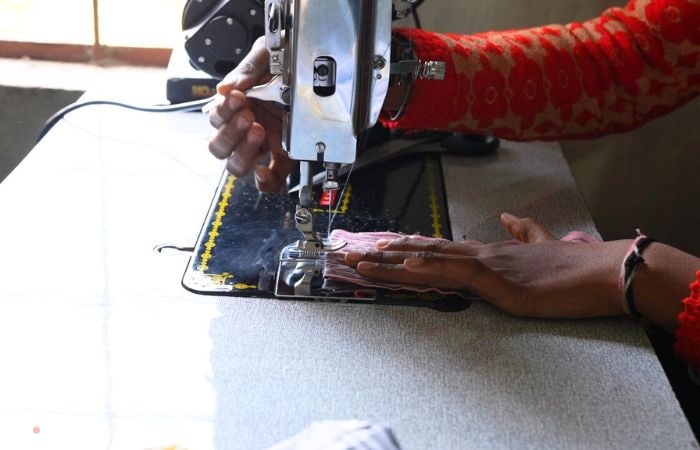
In Ashok Nagar's Parasari Subaju village, Madhya Pradesh, women from the Bedia community gather at the Usha Silai School Training Cum Production Centre, launched with the Apparel, Made-Ups & Home Furnishing Sector Skill Council. Amid machines humming and thread weaving, learners like Kalpana overcome historical stigma and exploitation, mastering stitching basics after 15 days-transforming from not knowing how to thread a needle to operating both electric and treadle machines, forging paths to dignified livelihoods and self-respect.
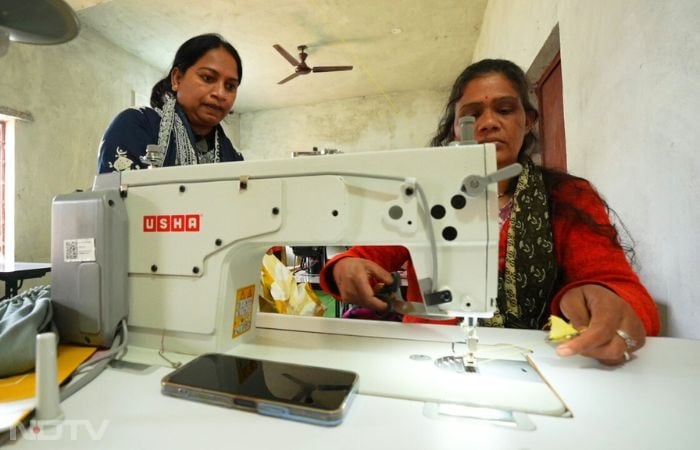
Poorvi, a Usha Silai School learner in Ashok Nagar, Madhya Pradesh, focuses intently on crafting a garment, her expression reflecting newfound belief in her potential. Breaking cycles of poverty and harmful customs in the Bedia community, she dreams of educating her children while earning through skills that provide 'izzat ki roti'-a dignified living-thanks to patient trainers and community engagement that shifts family attitudes toward women's decisions and contributions.
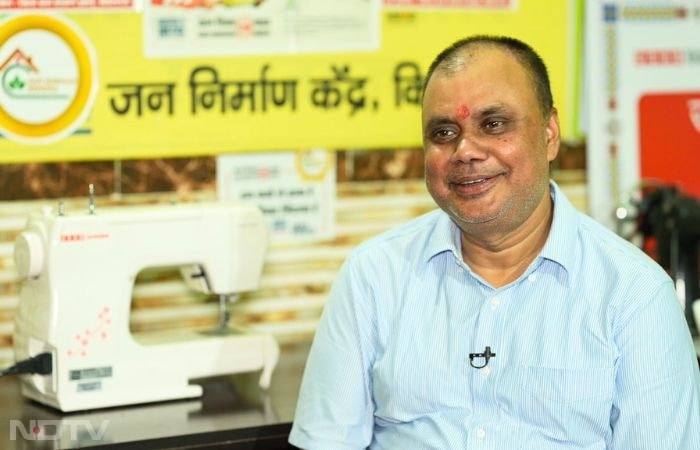
In Bihar's Kishanganj, young survivors of child marriage like Shabnam Parveen stitch salwar suits at a Usha Silai School run with Jan Nirman Kendra, funding her BA studies and computer classes with monthly earnings. Challenging patriarchal norms through the "Guru-Shishya Parampara" scheme, she and her sisters vow to expand their work, ensuring no early marriages derail futures, as counseling and market linkages turn homes into empowering classrooms.
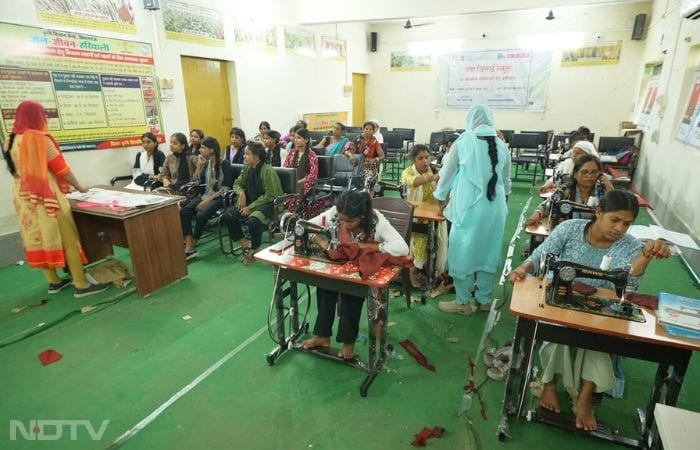
Sahista Begum and Bineeta Roy practice precise measurements and machine maintenance at a Kishanganj training session in Bihar, evolving from informal bazaar stitching to formal skills via Usha's 15-day program with Jan Nirman Kendra. Rescued from child marriages at ages like 15, they now aim to open village schools, teaching others while rebuilding lives-overcoming family struggles and societal pressures to claim agency and prevent similar fates for their daughters.
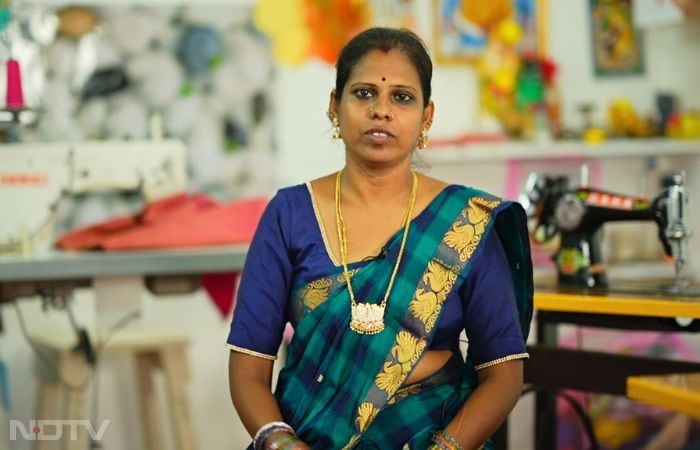
In Puducherry's Ezhil Nagar North, 40-year-old Praveenamary instructs a group of six trainees at her Basilica training centre, demonstrating Aari work and patchwork on Usha Silai machines. From homemaker to entrepreneur earning ?10,000 monthly after nine-day residential training, her upcycled saree designs and professional promotion highlight how family involvement-her husband's logistical support and community role-modeling-amplifies women's success in breaking barriers.
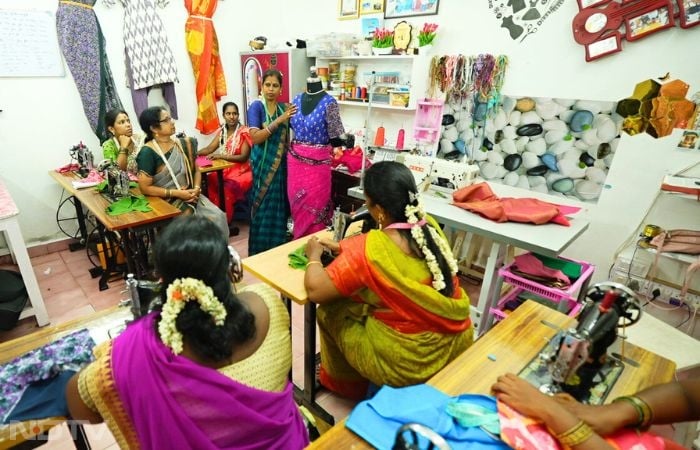
Praveenamary and trainee Savita collaborate on a blouse pattern in Puducherry's cozy Basilica centre, embodying Usha Silai School's life-skills module that builds confidence and ecosystems. Having trained 41 women, Praveenamary stands as family backbone and community inspiration, with her husband's painting and repair guidance symbolising how male support fosters autonomy-proving stitching not only creates garments but unstitches societal constraints for broader transformation.


NDTV in partnership with Luminous has launched an awareness campaign ‘Be A Bijli Donor’ to promote the idea of ‘save power for more power’. The idea is to conserve energy today in order to get more power tomorrow.
We inherently know that saving energy results in low energy bills, but we also need to understand that a unit of energy saved today makes it available for people still living in the dark or facing regular power cuts.
Saving power or conserving energy is about knowing the sources of energy, and areas of wastage and thereby eliminating these through technology and lifestyle changes. For instance, a 100 W (Watt) incandescent (ICL) bulb can be replaced with a 9 W LED bulb offering similar performance in terms of light output, but at far lower consumption of energy.
While a 100 W ICL bulb, used for four hours a day, consumes 146 units of energy per year, a 9 W LED bulb requires only 13.5 units per year. Clearly, switching to LED is a smart choice as it provides the same output while consuming 90 per cent less energy.
The focus of the campaign is to instill the idea of ‘save power for more power’ and in order to do so, the initiative will create awareness about energy efficient products and services, smart ways to reduce power consumption, alternate sources of energy like solar energy and the need to conserve energy. The idea is to address the rising need for energy conservation in India.
As part of the campaign, we will highlight the stories of individuals and organisations who are championing the cause of energy conservation by switching to renewable sources of energy, adopting innovations to reduce energy consumption while enjoying the same output. The initiative will provide a platform for all stakeholders to share their ideas and work towards the common goal of, ‘Save power for more power’.