




Swap Your Regular Roti For These 5 Nutrient-packed Alternatives!
A quintessential component of the Indian thali, roti often takes centre stage alongside pulses, vegetables, and rice. Recognized for its health benefits when crafted from wheat flour, roti contributes to sustained energy levels. However, we're here to introduce you to a variety of healthier and equally delectable alternatives. Explore these nutritious recipes that promise to elevate your dining experience.
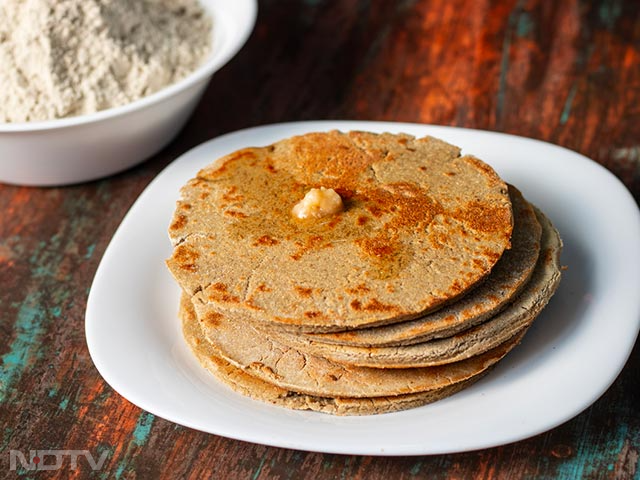
Jowar, a commendable grain in the realm of health, takes centre stage in this nutritious and spicy roti recipe. Complemented with onions, carrots, black pepper, and red chilli powder, this jowar roti pairs seamlessly with pulses and vegetables or stands alone as a flavorful, standalone dish. Click here for recipe

Embraced especially during the winter season, bajra, a potent millet, boasts immunity-boosting properties. Crafting rotis from bajra flour entails kneading a soft dough with warm water, resulting in a wholesome and healthful alternative. Click here for recipe
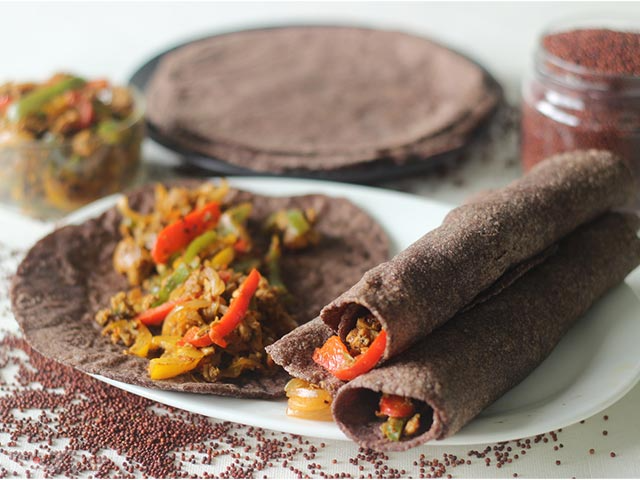
Rich in fibre, ragi offers a nutritious twist to your regular roti. The preparation mirrors that of traditional roti, with the addition of curry leaves, red chilli powder, and various spices enhancing its nutritional profile. Click here for recipe
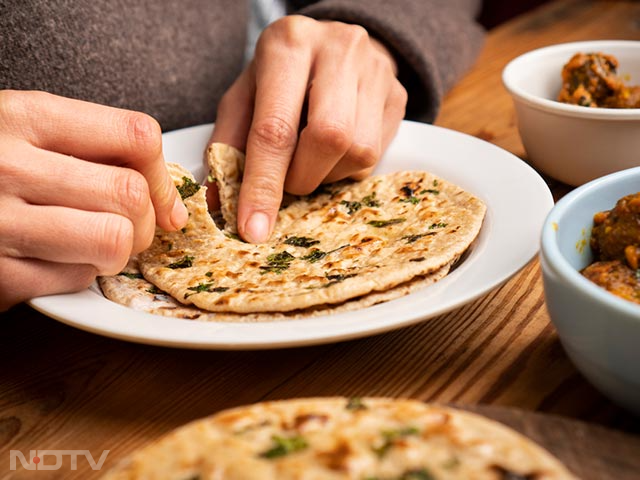
Harnessing the nutritional prowess of bottle gourd, this roti emerges as a delectable and low-calorie option. Boasting a dough amalgamation of lauki and flour, it earns the moniker "detox roti" due to its inherent health benefits. Click here for recipe
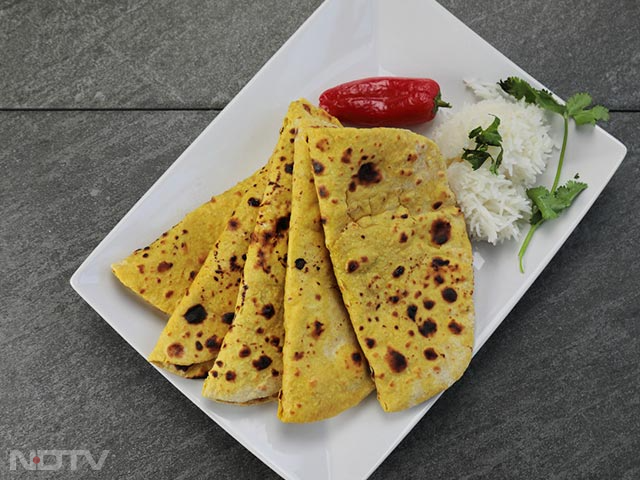
Unlocking a plethora of health benefits, oats have transcended their breakfast staple status. Now, you can incorporate their goodness into a scrumptious roti by combining oat flour and regular flour in equal proportions. These nutrition-packed rotis promise both health and taste. Click here for recipe


NDTV in partnership with Luminous has launched an awareness campaign ‘Be A Bijli Donor’ to promote the idea of ‘save power for more power’. The idea is to conserve energy today in order to get more power tomorrow.
We inherently know that saving energy results in low energy bills, but we also need to understand that a unit of energy saved today makes it available for people still living in the dark or facing regular power cuts.
Saving power or conserving energy is about knowing the sources of energy, and areas of wastage and thereby eliminating these through technology and lifestyle changes. For instance, a 100 W (Watt) incandescent (ICL) bulb can be replaced with a 9 W LED bulb offering similar performance in terms of light output, but at far lower consumption of energy.
While a 100 W ICL bulb, used for four hours a day, consumes 146 units of energy per year, a 9 W LED bulb requires only 13.5 units per year. Clearly, switching to LED is a smart choice as it provides the same output while consuming 90 per cent less energy.
The focus of the campaign is to instill the idea of ‘save power for more power’ and in order to do so, the initiative will create awareness about energy efficient products and services, smart ways to reduce power consumption, alternate sources of energy like solar energy and the need to conserve energy. The idea is to address the rising need for energy conservation in India.
As part of the campaign, we will highlight the stories of individuals and organisations who are championing the cause of energy conservation by switching to renewable sources of energy, adopting innovations to reduce energy consumption while enjoying the same output. The initiative will provide a platform for all stakeholders to share their ideas and work towards the common goal of, ‘Save power for more power’.