




Threads of Empowerment: Usha Silai Schools Weave Self-Reliance With PSU Partners
From Odisha's coal belts to Maharashtra's villages and Mumbai slums, Usha Silai Schools partner with PSUs like MCL and Voltas to train tribal and rural women in professional sewing
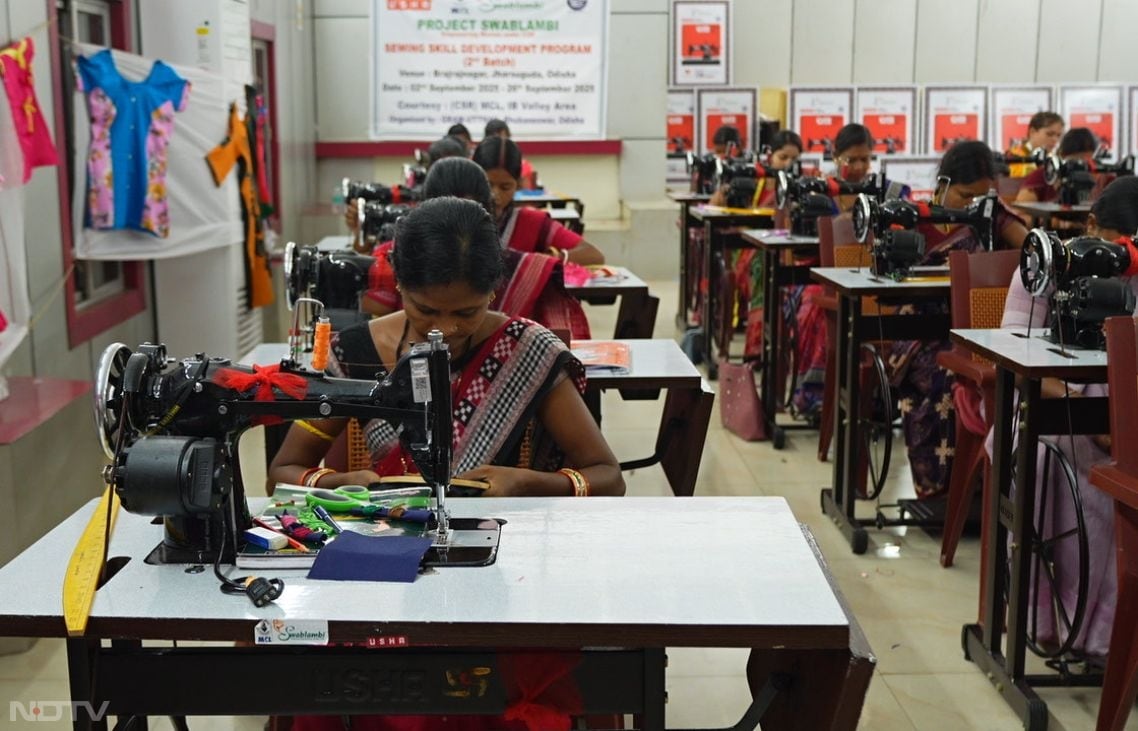
In Odisha's Jharsuguda district, tribal women from Lamptibahal village gather at a Usha Silai School center partnered with Mahanadi Coalfields Limited and Gram Utthan, focused on sewing machines as they learn basic stitching under the Swablambi program. Amid the hum of threads and fabrics, participants like Rambati Saura transform from homemakers to entrepreneurs, mastering skills that boost orders, income up to ?10,000 monthly, and the ability to train others, fostering self-reliance in rural coal belt communities.
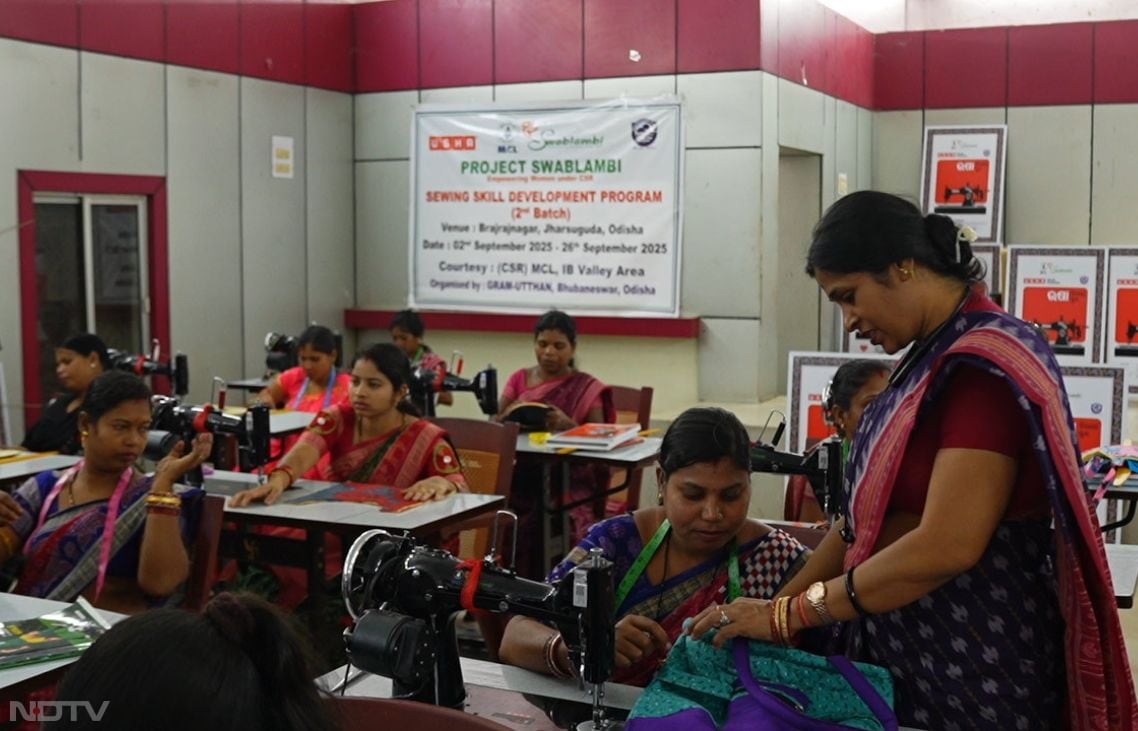
Monalisa Sahu, Usha's Training Officer, demonstrates measurement techniques to a group of tribal learners in Jharsuguda, overcoming language barriers with hands-on methods amid diverse dialects. In a vibrant classroom filled with waste cloth repurposed into home décor, her patient guidance elevates basic knowledge to professional levels, enabling women to manage time, orders, and family duties while building a legacy of independence through the MCL-Usha-Gram Utthan collaboration.
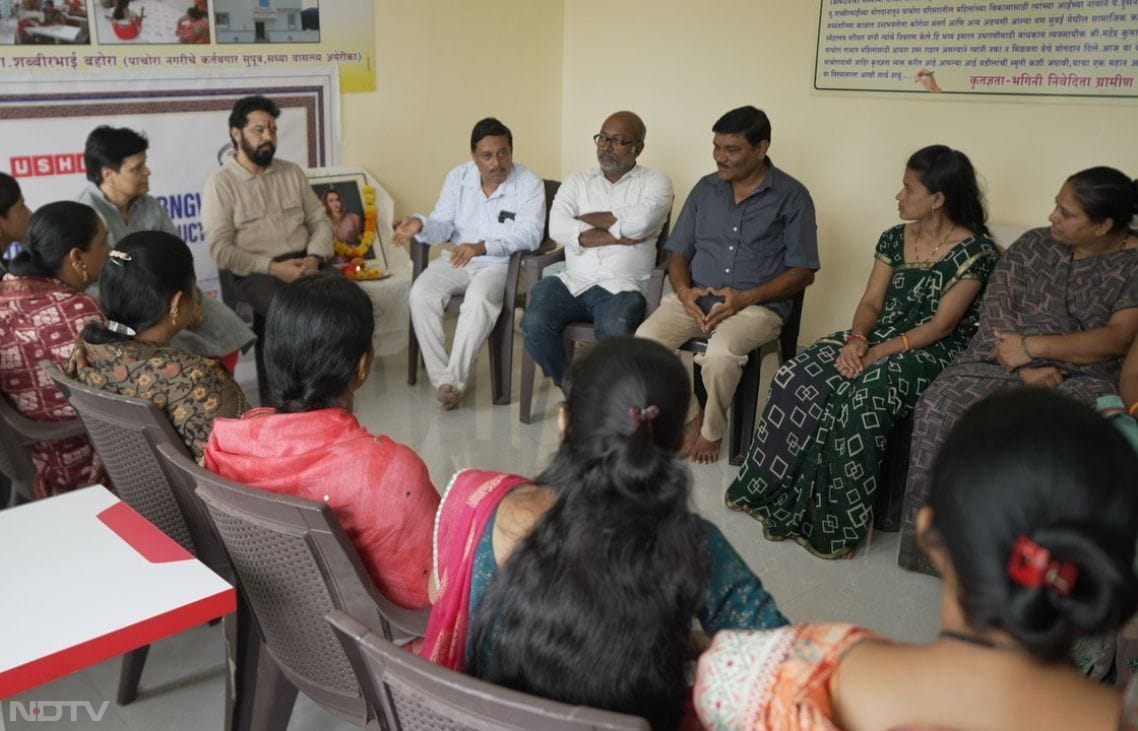
In Maharashtra's Pachora village, Jalgaon, women walk purposefully toward the Usha-BNGVN Training cum Production Centre, carrying fabric rolls under rural skies that reflect shifting traditions. Inside, founder Neelima Mishra observes trainees at sewing machines, where homemakers like Madhuri Amol Sonawane gain skills to earn from home, supporting families with two small children while dreaming of scaling from ?100 blouses to garment units, thanks to BNGVN's grassroots focus and Usha's industrial expertise.
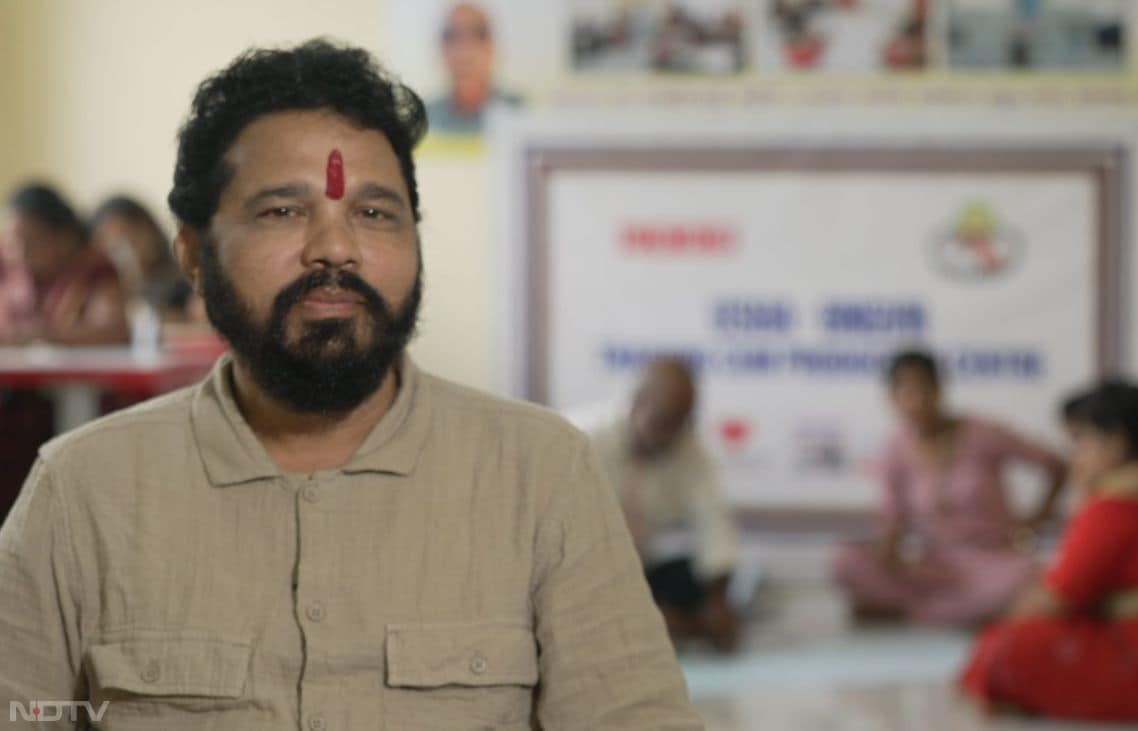
Kishor Patil, Director of BNGVN, engages with master trainers in Jalgaon's center, surrounded by co-branded Usha kits and advanced patterns that bridge village life to markets in Nasik. As women like Ratna Vinod Patil correct techniques under guidance, overcoming childhood dreams and personal challenges like a disabled husband, the partnership creates a domino effect-turning beneficiaries into teachers who build confidence, identity, and earnings up to ?10,000 through quality industrial products.
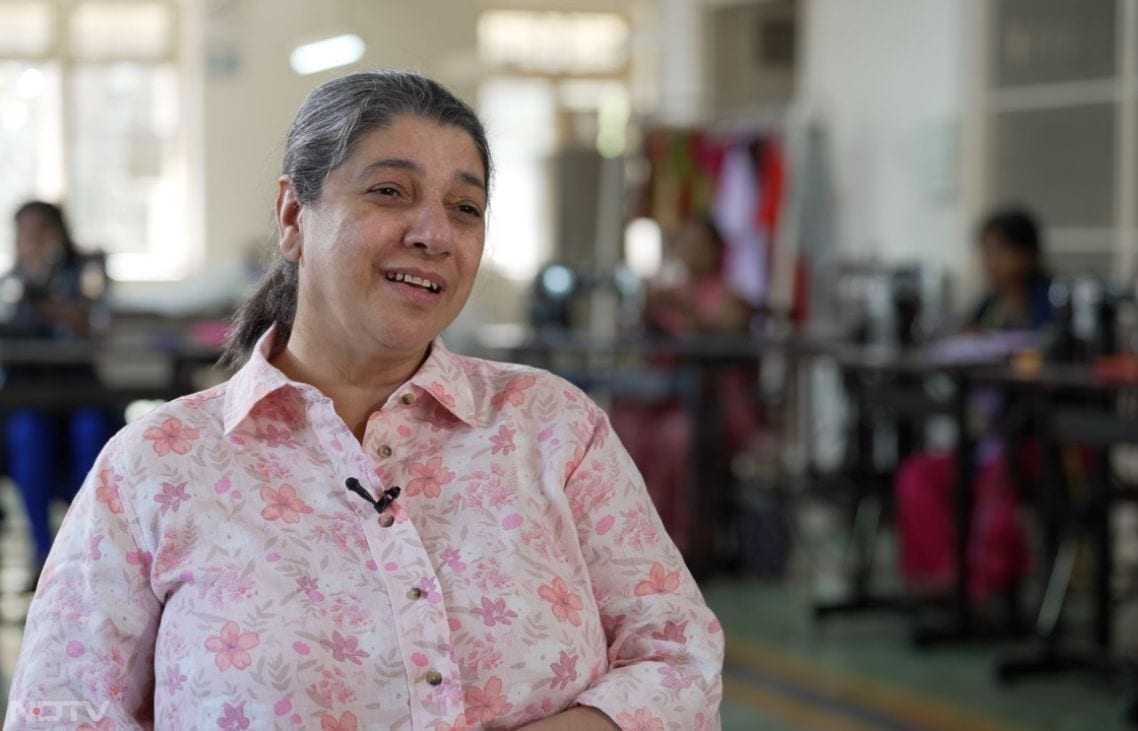
In Mumbai's Sir Ratan Tata Institute, Shernaz, the CEO, oversees a 25-day professional sewing session where vulnerable women from slums, like HM and Rutuja Rajkumar Suryawanshi, stitch baby clothes and sarees on Usha machines sponsored by Voltas. Amid emotional moments of newfound confidence, the synergy of SRTI's legacy since 1928 and Usha's technical training ignites entrepreneurial sparks, enabling home-based livelihoods, job placements, and brand-building dreams in the city's bustling mosaic.
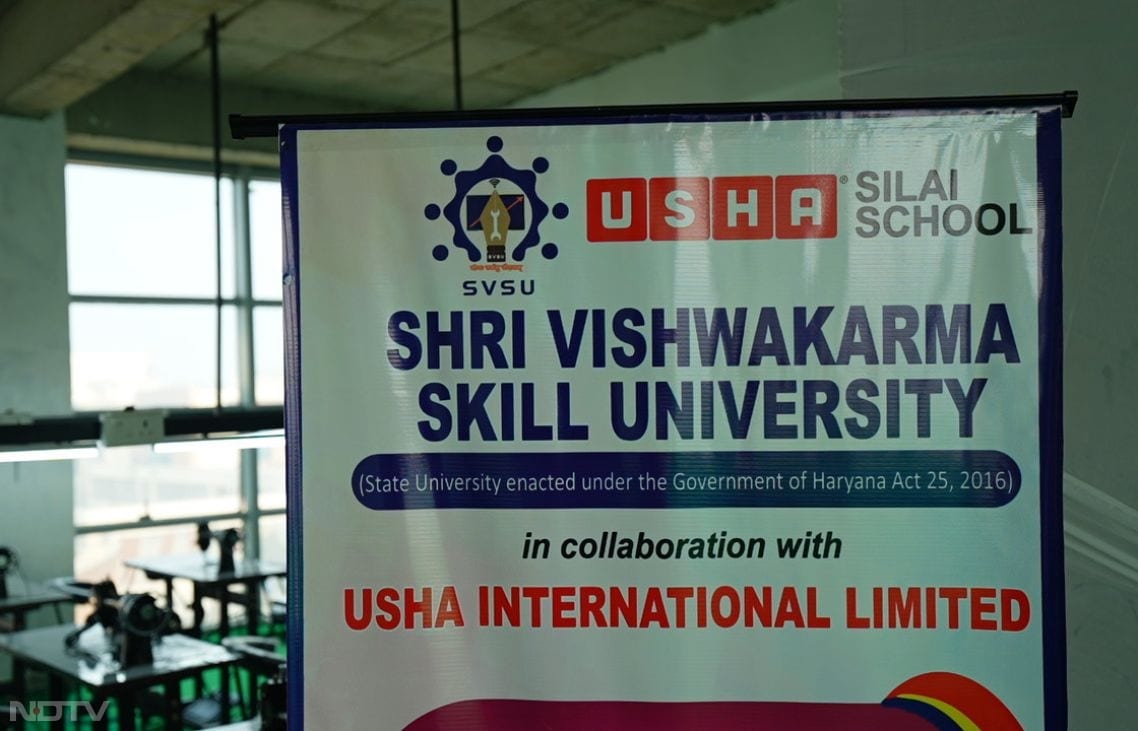
In Palwal, Haryana, at Shri Vishwakarma Skill University's Center of Excellence, rural women and girls from nearby villages engage in a 7-day intensive session on industry-grade Usha sewing machines under the Guru Shishya Kaushal Samman Yojana. Amid focused hands measuring fabric for seat covers and advanced garments, Prof. Dinesh Kumar, Vice Chancellor, observes the training that bridges academic skills to industry needs, equipping participants with techniques for self-employment or jobs, fostering independence in a pioneering skill-degree ecosystem.


NDTV in partnership with Luminous has launched an awareness campaign ‘Be A Bijli Donor’ to promote the idea of ‘save power for more power’. The idea is to conserve energy today in order to get more power tomorrow.
We inherently know that saving energy results in low energy bills, but we also need to understand that a unit of energy saved today makes it available for people still living in the dark or facing regular power cuts.
Saving power or conserving energy is about knowing the sources of energy, and areas of wastage and thereby eliminating these through technology and lifestyle changes. For instance, a 100 W (Watt) incandescent (ICL) bulb can be replaced with a 9 W LED bulb offering similar performance in terms of light output, but at far lower consumption of energy.
While a 100 W ICL bulb, used for four hours a day, consumes 146 units of energy per year, a 9 W LED bulb requires only 13.5 units per year. Clearly, switching to LED is a smart choice as it provides the same output while consuming 90 per cent less energy.
The focus of the campaign is to instill the idea of ‘save power for more power’ and in order to do so, the initiative will create awareness about energy efficient products and services, smart ways to reduce power consumption, alternate sources of energy like solar energy and the need to conserve energy. The idea is to address the rising need for energy conservation in India.
As part of the campaign, we will highlight the stories of individuals and organisations who are championing the cause of energy conservation by switching to renewable sources of energy, adopting innovations to reduce energy consumption while enjoying the same output. The initiative will provide a platform for all stakeholders to share their ideas and work towards the common goal of, ‘Save power for more power’.