Be A Bijli Donor - Save Electricity
  • Home/
  • Tips/
  • Usha Silai Schools Empowering Tribal Women Through Traditional Art Forms Across India

Usha Silai Schools Empowering Tribal Women Through Traditional Art Forms Across India

Usha Silai Schools are providing comprehensive training to tribal women across India, home to several indigenous tribes, by fusing their traditional art forms with embroidery. Take a look.
Usha Silai Schools Empowering Tribal Women Through Traditional Art Forms Across India

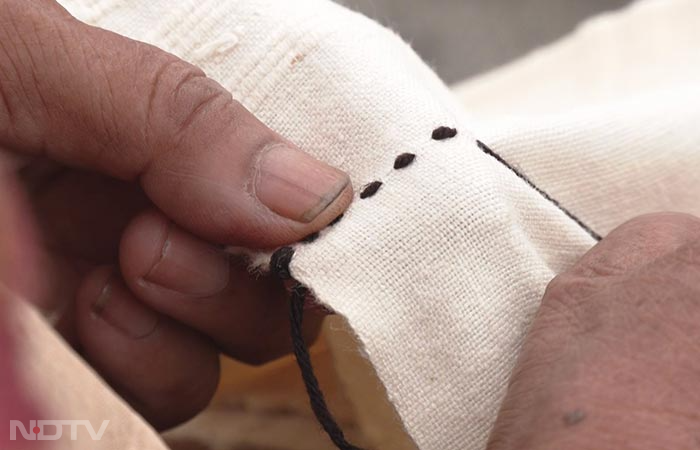
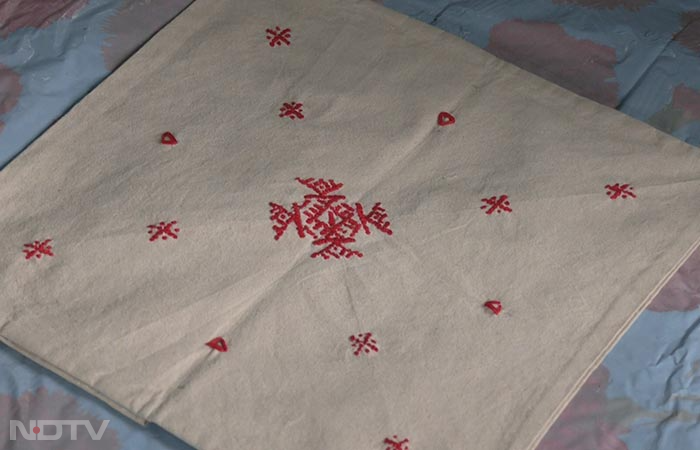
Khneng, a multiline, centipede-like embroidery traditionally done on Eri silk is a unique art form. Around 80 kilometers from Shillong, in the Shella Bholaganj subdivision of the East Khasi Hills district in Meghalaya lies a small village Mustoh. It is the only known village for Khneng embroidery.

Usha Silai Schools Empowering Tribal Women Through Traditional Art Forms Across India

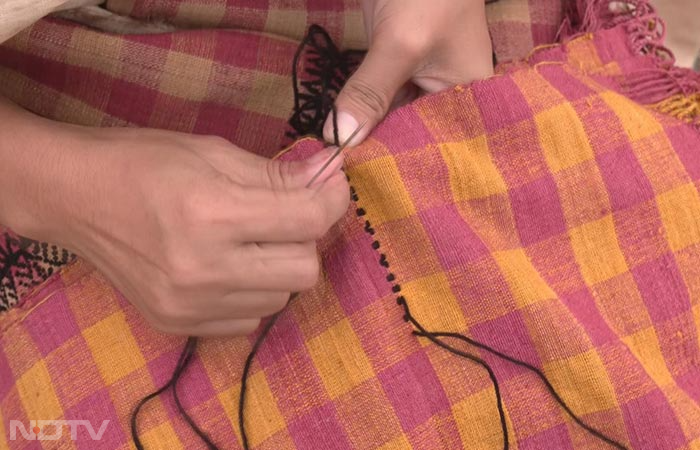
Khneng embroidery uses needles and threads with basic running stitches. It requires an attentive application of the mind, eyes, and hands.

Usha Silai Schools Empowering Tribal Women Through Traditional Art Forms Across India

The collaboration between Usha and Meghalaya State Rural Livelihoods Society (MSRLS) is keeping the tradition alive. The stitching is done on Eri silk, locally known as Jain ryndia, which is eventually used to decorate the border of their traditional garments.

Usha Silai Schools Empowering Tribal Women Through Traditional Art Forms Across India

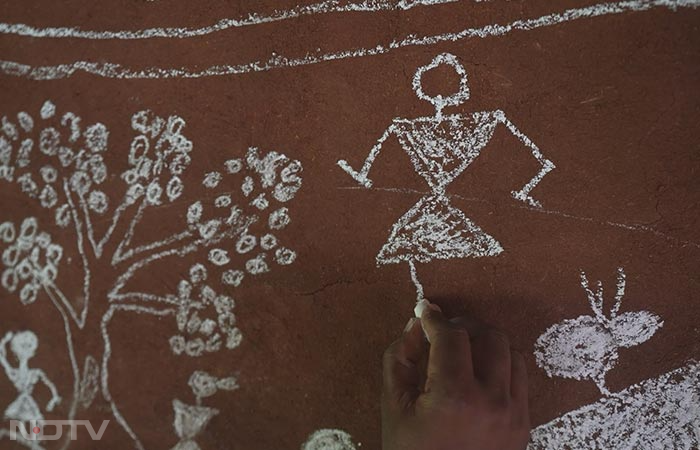
Moving from Khneng embroidery in Meghalaya, let's take a look at traditional tribal art, Warli, characterised by its simple yet captivating depictions of rural life. The Usha Silai School has made significant strides in uplifting tribal women by incorporating Warli art into embroidery.

Usha Silai Schools Empowering Tribal Women Through Traditional Art Forms Across India

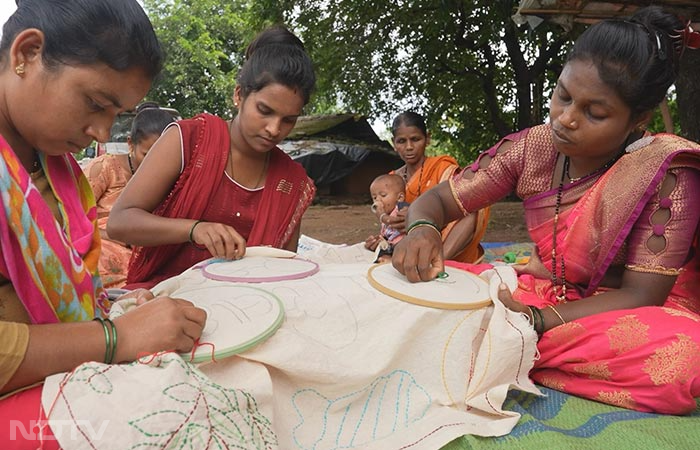
Usha's Silai School initiative aims to make women financially independent by enabling them to start their small-scale enterprises. One such beneficiary is Vandana Gadag, from Velugam in Dadra and Nagar Haveli, who teaches other women how to stitch and sew.

Usha Silai Schools Empowering Tribal Women Through Traditional Art Forms Across India

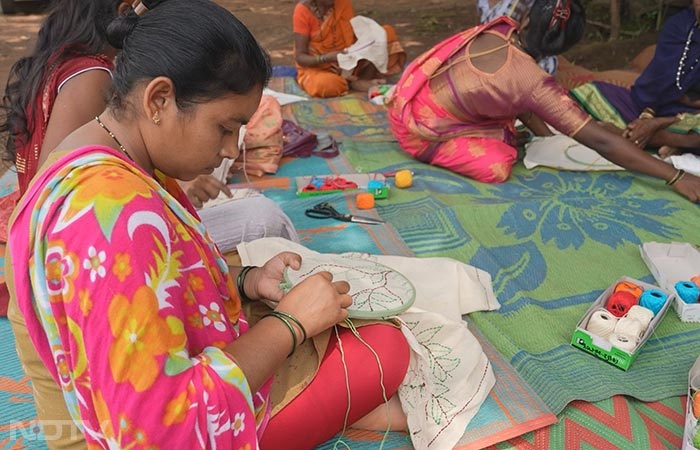
At her Silai School, Vandana teaches women from the surrounding areas how to turn this art form into beautiful embroidery, which can eventually be used to embellish different products. This Silai School initiative of fusing Warli art with embroidery has been transformative for tribal women in Dadra and Nagar Haveli.
Usha Silai Schools Empowering Tribal Women Through Traditional Art Forms Across India

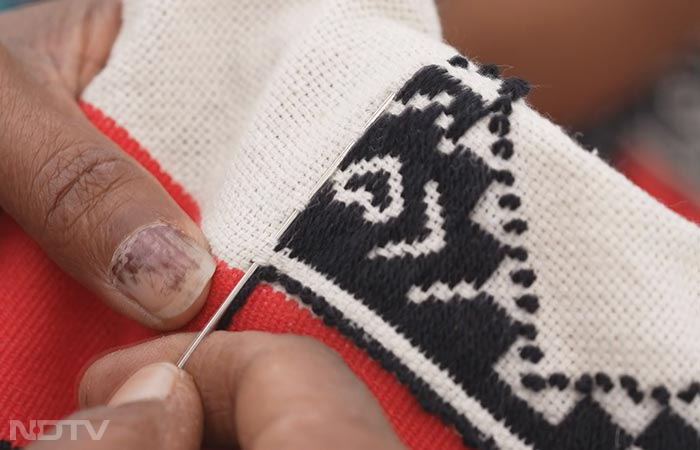
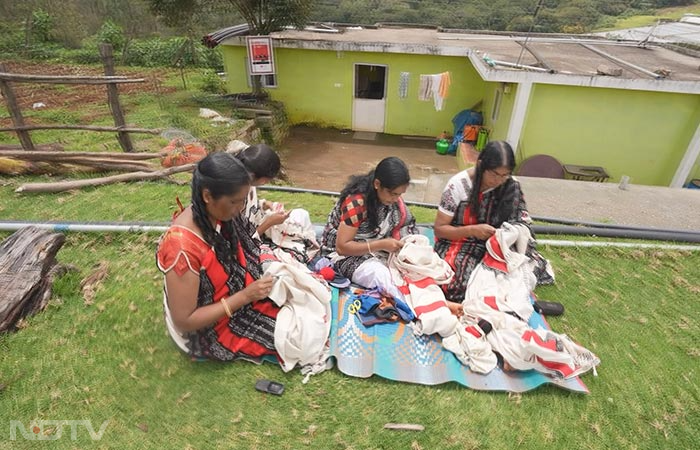
Another ancient art form is Toda embroidery practicised by women of the Toda tribe who live in the Nilgiri Hills of Tamil Nadu which is deeply intertwined with their culture and heritage. Toda embroidery is renowned for its exquisite beauty and intricate patterns.

Usha Silai Schools Empowering Tribal Women Through Traditional Art Forms Across India

Through the Usha Silai School, tribal women gain the necessary skills to create marketable products. They can monetise their Toda embroidery skills by making garments, accessories, and home decor items, giving themselves a sustainable source of income and economic independence.

About The Campaign

About The Campaign

NDTV in partnership with Luminous has launched an awareness campaign ‘Be A Bijli Donor’ to promote the idea of ‘save power for more power’. The idea is to conserve energy today in order to get more power tomorrow.


We inherently know that saving energy results in low energy bills, but we also need to understand that a unit of energy saved today makes it available for people still living in the dark or facing regular power cuts.


Saving power or conserving energy is about knowing the sources of energy, and areas of wastage and thereby eliminating these through technology and lifestyle changes. For instance, a 100 W (Watt) incandescent (ICL) bulb can be replaced with a 9 W LED bulb offering similar performance in terms of light output, but at far lower consumption of energy.


While a 100 W ICL bulb, used for four hours a day, consumes 146 units of energy per year, a 9 W LED bulb requires only 13.5 units per year. Clearly, switching to LED is a smart choice as it provides the same output while consuming 90 per cent less energy.


The focus of the campaign is to instill the idea of ‘save power for more power’ and in order to do so, the initiative will create awareness about energy efficient products and services, smart ways to reduce power consumption, alternate sources of energy like solar energy and the need to conserve energy. The idea is to address the rising need for energy conservation in India.


As part of the campaign, we will highlight the stories of individuals and organisations who are championing the cause of energy conservation by switching to renewable sources of energy, adopting innovations to reduce energy consumption while enjoying the same output. The initiative will provide a platform for all stakeholders to share their ideas and work towards the common goal of, ‘Save power for more power’.