




Usha Silai Schools: Partnering For Sustainable Progress
Usha Silai Schools' Kushalta Ke Kadam unites with NIRDPR and state governments, transforming West Bengal transgender artisans, Telangana tribal stitchers, and Meghalaya embroidery preservers into empowered livelihoods
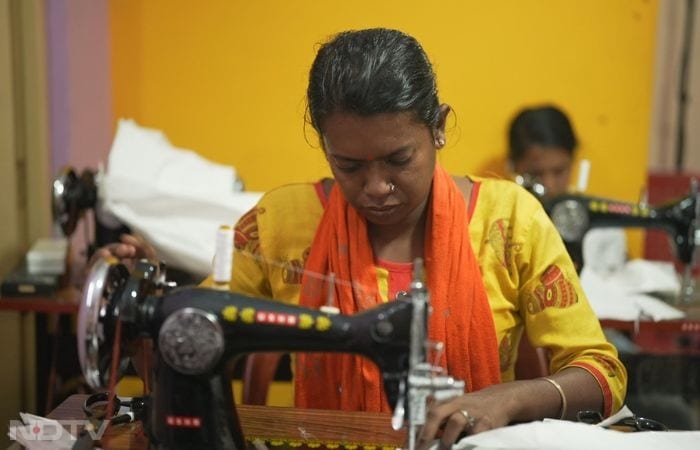
In a bright training room in West Bengal, transgender participants sit attentively at Usha sewing machines under the NIRDPR-CIRDAP Action Lab for Inclusive Livelihoods, guided by a skilled Usha instructor. Amid colorful fabric rolls and pattern charts, they practice precise stitches on apparel pieces, embodying the program's focus on skill-building for economic dignity and social inclusion, with PLEQSUS India Foundation ensuring a supportive environment that breaks barriers and fosters self-employment for marginalized communities.
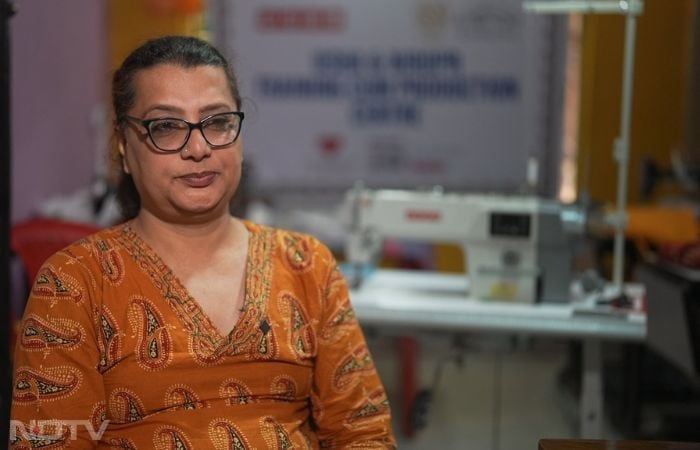
Sudeb Suvana, Director of PLEQSUS India Foundation, engages with a group of transgender entrepreneurs in West Bengal, discussing future dreams of forming a trans-led company amid sewing stations filled with completed garments. The scene captures gratitude toward NIRDPR and Usha for opening new paths, where tailoring becomes a gender-neutral profession offering respectful, sustainable income and the chance to revive community dignity through entrepreneurship and role-model creation.
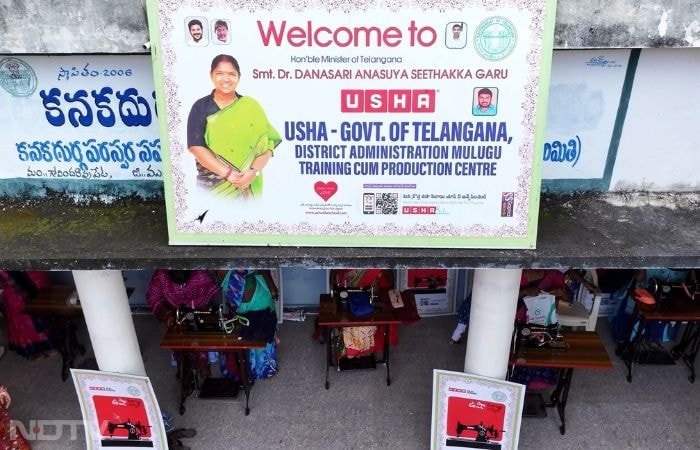
In Mulugu district, Telangana, women from remote villages gather in a Usha Entrepreneurs Initiative training center, stitching school uniforms under the guidance of district administration and Usha coordinators. Focused hands operate machines on bulk orders, reflecting the partnership's impact as participants like Prashanthi learn advanced designs, earn from local needs, and support children's education, transforming dependency into household bargaining power and community stability.
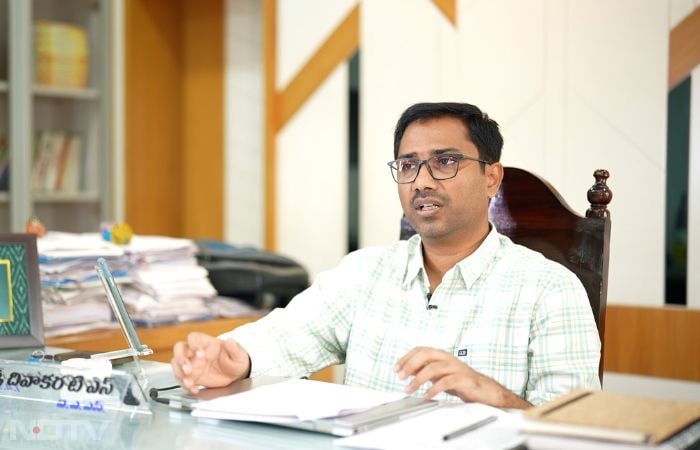
District Collector Sri T.S. Divakara, IAS, visits a Chalwai training cum production center in Mulugu, observing women confidently managing cutting and stitching of uniforms and traditional wear. Amid machines donated by Usha and piles of completed garments, his leadership underscores the circular economy vision-providing latest skills, sustained work orders, and pathways to bulk contracts with apparel companies, empowering rural women to lead economically without migration.
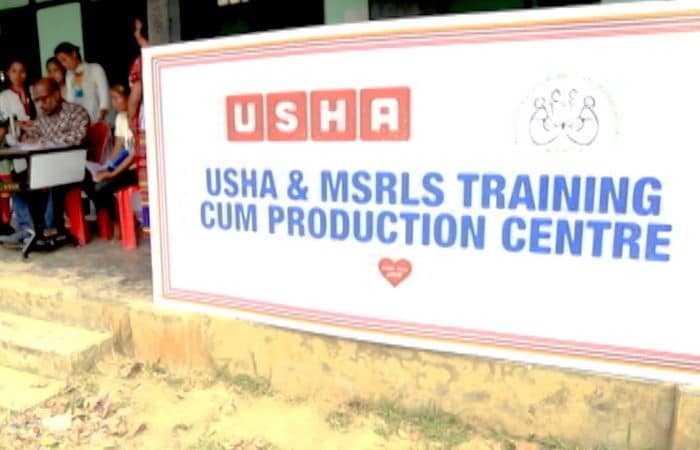
In Meghalaya's Training Cum Production Centres, women from MSRLS collaborate with Usha master trainers to revive Khneng embroidery on traditional fabrics, blending heritage stitches with modern designs. Amid vibrant threads and looms, participants prepare pieces for the Saras Aajivika Fair fashion show, where they walk the ramp in self-stitched garments, showcasing the six-year partnership's success in creating sustainable livelihoods, cultural preservation, and national recognition for matrilineal empowerment.


NDTV in partnership with Luminous has launched an awareness campaign ‘Be A Bijli Donor’ to promote the idea of ‘save power for more power’. The idea is to conserve energy today in order to get more power tomorrow.
We inherently know that saving energy results in low energy bills, but we also need to understand that a unit of energy saved today makes it available for people still living in the dark or facing regular power cuts.
Saving power or conserving energy is about knowing the sources of energy, and areas of wastage and thereby eliminating these through technology and lifestyle changes. For instance, a 100 W (Watt) incandescent (ICL) bulb can be replaced with a 9 W LED bulb offering similar performance in terms of light output, but at far lower consumption of energy.
While a 100 W ICL bulb, used for four hours a day, consumes 146 units of energy per year, a 9 W LED bulb requires only 13.5 units per year. Clearly, switching to LED is a smart choice as it provides the same output while consuming 90 per cent less energy.
The focus of the campaign is to instill the idea of ‘save power for more power’ and in order to do so, the initiative will create awareness about energy efficient products and services, smart ways to reduce power consumption, alternate sources of energy like solar energy and the need to conserve energy. The idea is to address the rising need for energy conservation in India.
As part of the campaign, we will highlight the stories of individuals and organisations who are championing the cause of energy conservation by switching to renewable sources of energy, adopting innovations to reduce energy consumption while enjoying the same output. The initiative will provide a platform for all stakeholders to share their ideas and work towards the common goal of, ‘Save power for more power’.