




World Telecommunication Day: From Landline To Mobile, How Technology Changed
World Telecommunication Day is celebrated every year on May 17 since 1969. The date also marks the founding of International Telecommunication Union, a United Nations agency, on May 17, 1865.
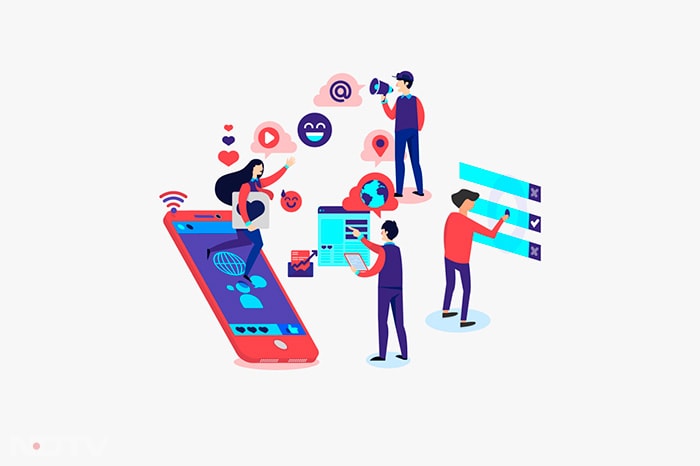
The purpose of World Telecommunication and Information Society Day (WTISD) is to help raise awareness of the possibilities that the use of the internet and other information and communication technologies can bring to societies and economies, as well as of ways to bridge the digital divide. (Pixabay)


In the last 55 years, communication technology has undergone a radical transformation. What started with landline telephones has evolved through various stages to the high-speed, ubiquitous connectivity of 5G. This journey reflects not just technological advancements but also significant changes in how people interact, work and live. (Unsplash)

In the late 1960s and early 1970s, landline telephones were the cornerstone of communication. These devices, often rotary dial phones, were found in almost every household. They provided a reliable means of voice communication, connecting people over long distances through a vast network of wired infrastructure. (Unsplash)

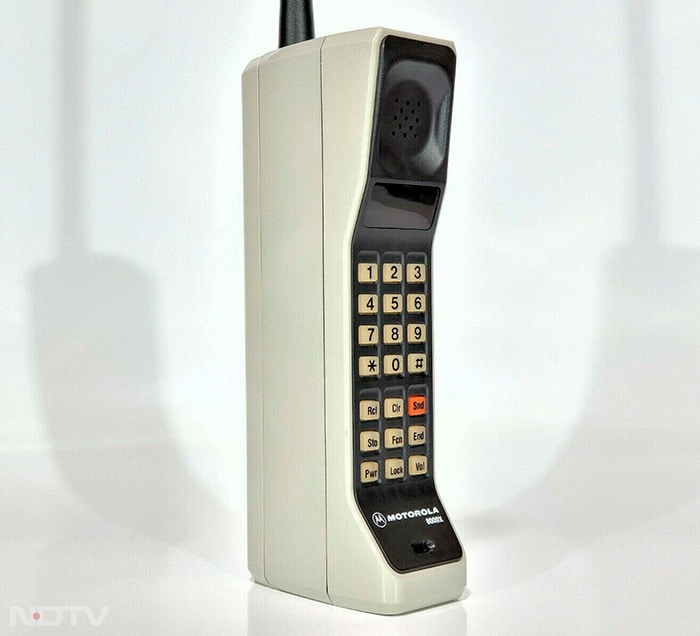
The 1990s saw the birth of mobile phones, beginning with the bulky, expensive models like the Motorola DynaTAC. These early mobile phones were primarily status symbols, limited to a small segment of the population due to their high cost and the nascent stage of cellular networks. (X/@OnThisDayHisto)
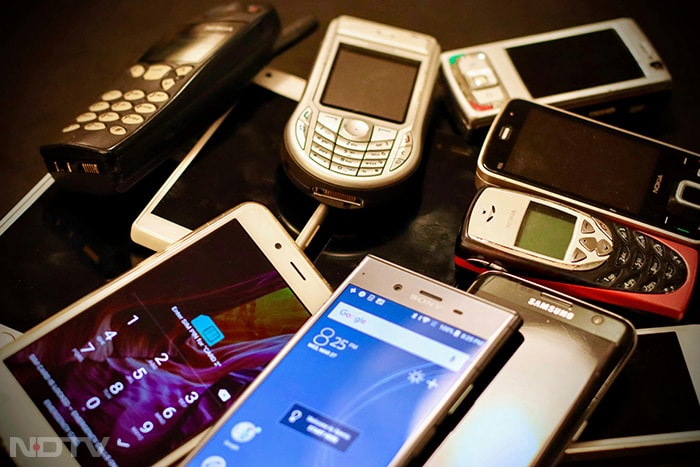
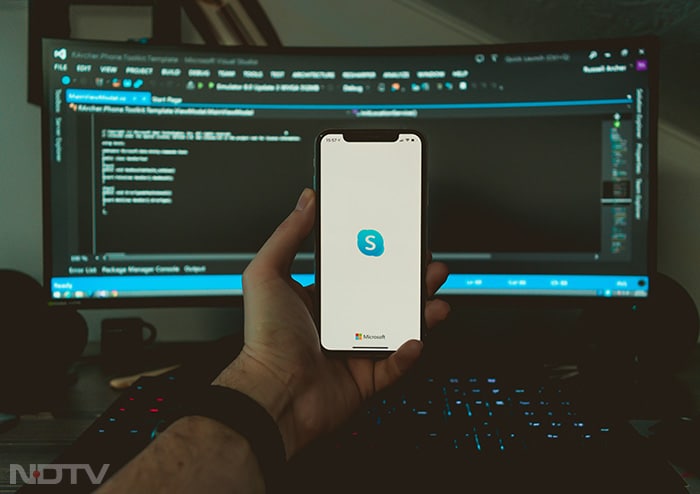
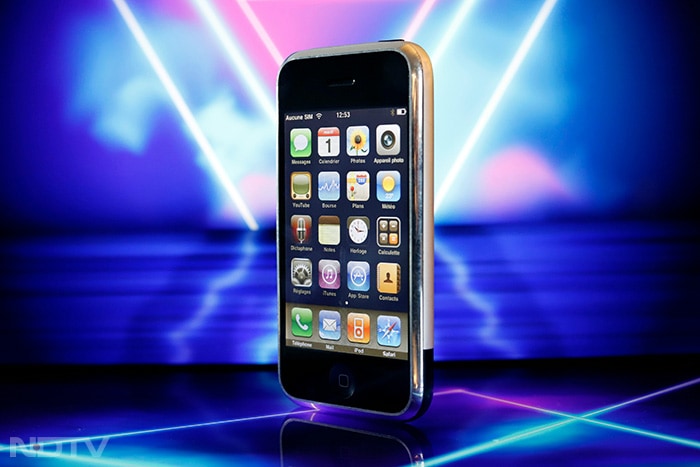
The introduction of the iPhone in 2007 by Apple marked the beginning of the smartphone era. Smartphones combined mobile phone capabilities with powerful computing features, effectively putting a mini-computer in every user's pocket. The subsequent release of Android further popularised smartphones, making them accessible to a broader audience. (Unsplash)
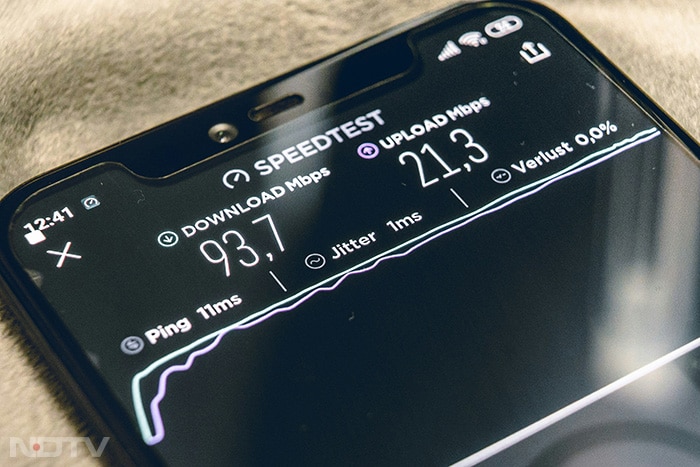
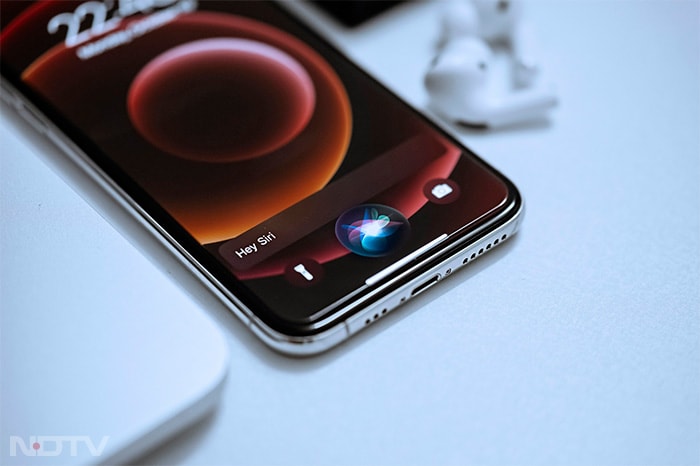
As the demand for faster and more reliable communication grew, the development of 5G technology began. 5G, launched in early 2020s, promised even greater speeds, lower latency, and the ability to connect a vast number of devices simultaneously. This advancement is not just about speed but also about enabling new technologies such as the Internet of Things (IoT), augmented reality (AR) and autonomous vehicles. (Unsplash)


NDTV in partnership with Luminous has launched an awareness campaign ‘Be A Bijli Donor’ to promote the idea of ‘save power for more power’. The idea is to conserve energy today in order to get more power tomorrow.
We inherently know that saving energy results in low energy bills, but we also need to understand that a unit of energy saved today makes it available for people still living in the dark or facing regular power cuts.
Saving power or conserving energy is about knowing the sources of energy, and areas of wastage and thereby eliminating these through technology and lifestyle changes. For instance, a 100 W (Watt) incandescent (ICL) bulb can be replaced with a 9 W LED bulb offering similar performance in terms of light output, but at far lower consumption of energy.
While a 100 W ICL bulb, used for four hours a day, consumes 146 units of energy per year, a 9 W LED bulb requires only 13.5 units per year. Clearly, switching to LED is a smart choice as it provides the same output while consuming 90 per cent less energy.
The focus of the campaign is to instill the idea of ‘save power for more power’ and in order to do so, the initiative will create awareness about energy efficient products and services, smart ways to reduce power consumption, alternate sources of energy like solar energy and the need to conserve energy. The idea is to address the rising need for energy conservation in India.
As part of the campaign, we will highlight the stories of individuals and organisations who are championing the cause of energy conservation by switching to renewable sources of energy, adopting innovations to reduce energy consumption while enjoying the same output. The initiative will provide a platform for all stakeholders to share their ideas and work towards the common goal of, ‘Save power for more power’.