




- Home/
- How NavUnnat Biofuels Is Converting Crop Residue Into Ethanol And Power
How NavUnnat Biofuels Is Converting Crop Residue Into Ethanol And Power
| Updated: February 02, 2026 15:43 IST
New Delhi:
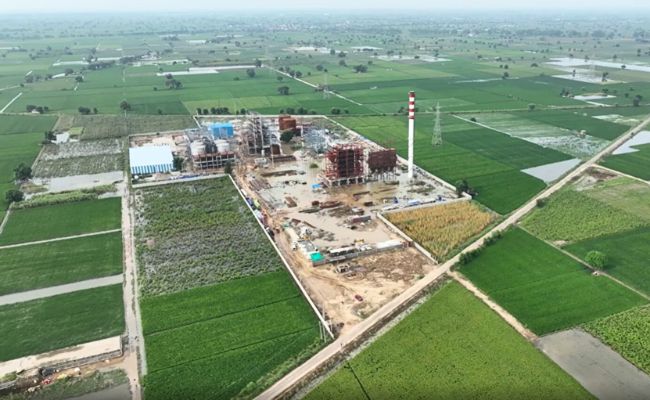
In the era of geopolitical tensions and volatile fuel prices, NavUnnat Biofuels is helping India move towards energy independence. Abhijeet Garg, who founded the company, aims to convert farm waste into clean energy, driving forward the nation's growth towards a greener future. The idea behind Navunnat Biofuels was to turn plans for an ethanol producing plant into reality. Designed to support farmers, curb pollution and to empower the country's clean energy sector, the company runs a self-sustaining biofuels plant that is powered by its own waste.
What NavUnnat Biofuels Does
The company produces ethanol from farm waste, using the very materials that are regarded as waste by many farmers. The primary materials for the ethanol are rice and maize that rot unused in the fields. Every day, 150 tons of stubble or parali are put in boilers to not just generate electricity but also create ethanol.
Abhijeet Garg: Founder of NavUnnat Biofuels
NavUnnat Biofuels represents a family-led business in the sustainability and clean energy sector. The company was founded by Abhijeet Garg, who is experienced in corporate governance. He was appointed as an Additional Director on 22 May 2025. Apart from Garg, Vikrant Bishnoi is also an Additional Director. Neeraj Kumar, Pradeep Jain, Anup Jain, Brij Singhal and Mohit Godara are the Board Directors.
How A Speech Became An Inspiration
A speech by Union Minister Nitin Gadkari was the inspiration behind Navunnat. Abhijeet Garg heard Gadkari talk about an energy-independent India and the role ethanol blending could play into it and was intrigued. The idea behind the ethanol blending initiative in India is to reduce oil import bills and make the country a producer of sustainable energy, moving ahead with the government's vision of an Atmanirbhar Bharat.
NavUnnat Biofuels' Journey
The first question before Abhijeet Garg's family was funding since the venture would require a significant amount of initial capital. Managing the company was another obstacle. Neeraj Garg, Abhijeet's father and the Director of the company, wasn't fully aware about ethanol's benefits, but thought they could venture into the sector. Along with another relative, Pradeep Jain, the father-son duo worked hard to establish the first plant. Together, they created the first-of-its-kind biofuels plant in Hisar, Haryana. The entire ecosystem of the plant is built upon the idea of sustainability. The electricity for the plant comes from agro-waste. The idea behind using agro-waste is two-fold. Using stubble reduces pollution by the farmers and helps them lower emissions from agriculture. Not just that, using ethanol in vehicles reduces emissions, creating a less polluted environment.
Published: February 02, 2026 15:28 IST
also read
Solar Is The Best Economic Investment, Says Ecologist Who Has Paid Zero Power Bill For Last Three Years
Written by Aastha Ahuja, Edited by Sonia BhaskarMonthly Power Bill Of Just Rs 130, Here's How A Couple In Kochi Did It
Written by Aastha Ahuja, Edited by Sonia BhaskarHimachal Pradesh's The Kalgidhar Society Saves Rs. 3.4 Crore Per Annum By Harnessing The Power Of Solar
Written by Aastha Ahuja, Edited by Sonia Bhaskar



NDTV in partnership with Luminous has launched an awareness campaign ‘Be A Bijli Donor’ to promote the idea of ‘save power for more power’. The idea is to conserve energy today in order to get more power tomorrow.
We inherently know that saving energy results in low energy bills, but we also need to understand that a unit of energy saved today makes it available for people still living in the dark or facing regular power cuts.
Saving power or conserving energy is about knowing the sources of energy, and areas of wastage and thereby eliminating these through technology and lifestyle changes. For instance, a 100 W (Watt) incandescent (ICL) bulb can be replaced with a 9 W LED bulb offering similar performance in terms of light output, but at far lower consumption of energy.
While a 100 W ICL bulb, used for four hours a day, consumes 146 units of energy per year, a 9 W LED bulb requires only 13.5 units per year. Clearly, switching to LED is a smart choice as it provides the same output while consuming 90 per cent less energy.
The focus of the campaign is to instill the idea of ‘save power for more power’ and in order to do so, the initiative will create awareness about energy efficient products and services, smart ways to reduce power consumption, alternate sources of energy like solar energy and the need to conserve energy. The idea is to address the rising need for energy conservation in India.
As part of the campaign, we will highlight the stories of individuals and organisations who are championing the cause of energy conservation by switching to renewable sources of energy, adopting innovations to reduce energy consumption while enjoying the same output.
The initiative will provide a platform for all stakeholders to share their ideas and work towards the common goal of, ‘Save power for more power’.