

'calcium and bones' - 312 News Result(s)
 Written by Dr Naman WahalSaturday | November 21, 2026
Cutting back on recreational screens frees up hours that often go unnoticed. A diet with dairy, lentils, green vegetables and adequate protein covers most children's needs.
 Written by NDTV Health DeskSaturday | November 14, 2026
A lack of certain minerals can affect health and lead to problems, from fatigue and muscle cramps to changes in immunity, thyroid function, bone health and energy levels.
 Written by Debosmita GhoshThursday | November 05, 2026
Osteopenia means that your bone density is lower than normal. It is not the same as osteoporosis, but it can be an early warning sign that your bones are becoming weaker.
 Written by NDTV Health Desk , Edited by Debosmita GhoshThursday | October 22, 2026
The nutritionist explains how exercise, balanced meals and adequate nutrient intake can support women's long-term health, and why restrictive diets are not the answer to staying fit.
 Written by Shreya GoswamiTuesday | October 20, 2026
A new Indian review estimates osteoporosis prevalence at 14.6% among men in the studies analysed.
 Written by Shreya GoswamiTuesday | October 20, 2026
From sedentary lifestyles and vitamin D deficiency to poor diets, discover why young Indians must prioritise bone health and the warning signs they should never ignore.
 Written by Dr Harekrushna SahuMonday | October 12, 2026
The body builds most of its peak bone mass by the third decade of life, usually between 20 and 30 years.
 Written by PayalThursday | September 24, 2026
Figs contain calcium, potassium, and antioxidants that promote bone strength, heart health, and help maintain healthy blood pressure.
 Written by NDTV Health DeskThursday | September 03, 2026
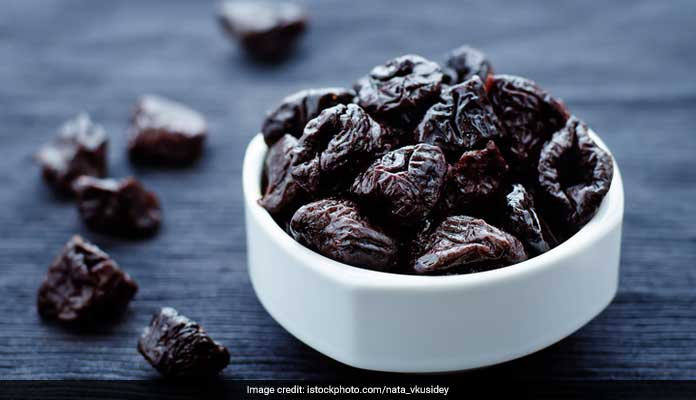
Nutritionist Deepsikha Jain highlights research on how daily prune intake may help preserve bone density, especially in post-menopausal women.
 Written by Debosmita GhoshTuesday | August 11, 2026
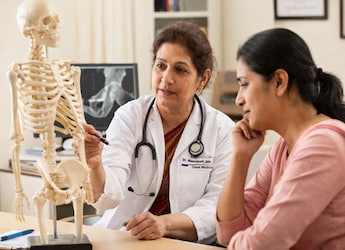
Weak bones may eventually increase the risk of osteoporosis, fractures and loss of mobility, especially in older adults. Dr (Maj.) Mukesh Garg says bone health depends on consistent habits over the years.
 Written by Debosmita GhoshTuesday | August 04, 2026
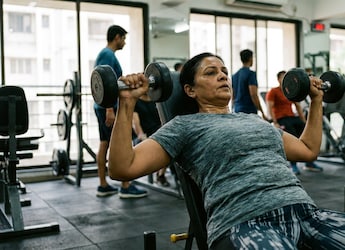
While most people focus on heart health or weight management, bone health often gets ignored. It is important to build strong bones early in life and maintain them with healthy habits. Here are some ways to improve your bone density and prevent osteoporosis.
 Written by Sambhav KumarTuesday | July 21, 2026
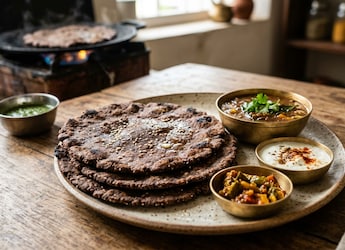
Ragi is a nutrient-rich millet offering calcium, iron, fibre, and minerals, beneficial for bone health and blood sugar management.
 Written by Rupashi ChhabraFriday | July 17, 2026
Women require different quantities of nutrients at every stage of their lives. Here is a complete guide to what women need to know in their 20s, 40s, and 60s and how to take charge of their nutritional needs.
 Written by Rupashi ChhabraThursday | July 16, 2026
Daily aerated drinks could be reducing your bone strength. Here is how this can happen and why you need to avoid them altogether.
 Written by NDTV Health DeskMonday | July 06, 2026
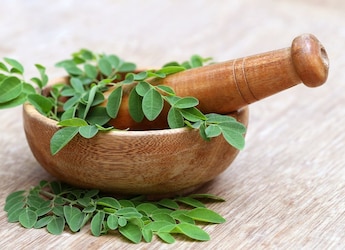
Nutritionist Lovneet Batra highlights seven Indian foods that contain more calcium than milk and shares simple ways to include them in your daily diet for stronger bones and better overall health.
 Written by Varsha VatsTuesday | June 16, 2026
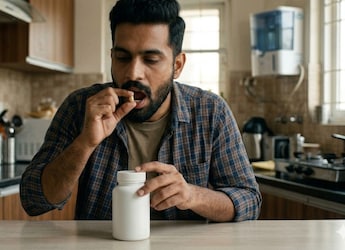
Supplements are generally not necessary for healthy individuals who can get their nutrients from diet. However, they are highly effective for individuals with deficiencies or elevated medical risks.
 Written by Rupashi ChhabraMonday | June 08, 2026
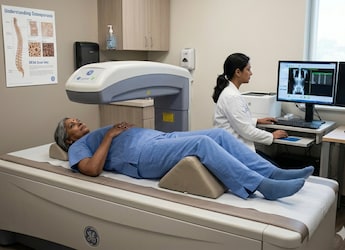
The 40s are a necessary decade to prevent osteoporosis. Dr Ruma Sinha explains the 5-minute bone test that you need for your bone mineral density.
 Written by Rupashi ChhabraSaturday | June 06, 2026
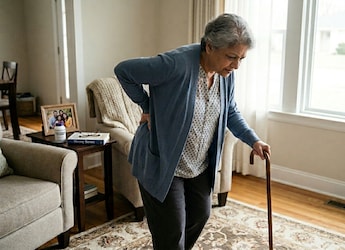
Osteoporosis can be prevented post-menopause by following the right lifestyle precautions. Dr Manisha Rajpal Singh explains why knowing your bone density is important.
 Written by Dr Jyothi G SSunday | May 31, 2026
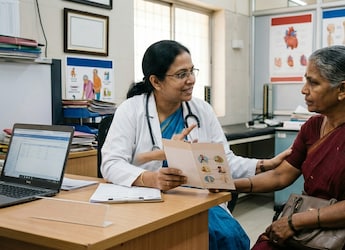
The 20s are often a time when women feel at their healthiest, but they are also the years that lay the groundwork for future well-being.
 Written by Varsha VatsTuesday | May 26, 2026
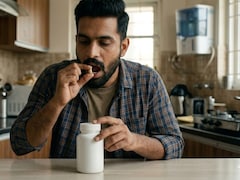
Vitamin D requires specific cofactors to absorb properly and work safely in your body. Taking it alone can limit its effectiveness or cause calcium to build up in the wrong places.
 Written by Sambhav KumarThursday | May 14, 2026
Doctors say osteoporosis and osteoarthritis also differ in how they present and who is most at risk. Osteoporosis is more common after menopause and may be linked to ageing, hormonal changes, calcium deficiency, smoking, or lack of exercise.
 Written by NDTV Health Desk , Edited by Debosmita GhoshTuesday | April 28, 2026
Believe eggs are your only protein fix? Think again. Common foods such as paneer, lentils, tofu, and nuts can easily match or even surpass your daily protein needs.