Health Benefits Of Blackberries

Blackberries are small, dark purple to black fruits belonging to the Rubus genus in the Rosaceae family. Blackberries are highly beneficial for health. They are rich in vitamins C and K, fibre, and antioxidants like anthocyanins, which give them their deep colour. Regular consumption of blackberries can offer a wide range of health benefits due to their nutritional profile.

Health Benefits Of Blackberries

Blackberries are packed with antioxidants, especially anthocyanins, which help neutralise harmful free radicals in the body. This reduces oxidative stress and lowers the risk of chronic diseases such as cancer and heart disease.

Health Benefits Of Blackberries

High in vitamin C, blackberries support the immune system by promoting the production of white blood cells. Vitamin C also acts as an antioxidant, helping protect the body from infections and inflammation.

Health Benefits Of Blackberries

Blackberries are a great source of dietary fibre, which promotes healthy digestion by regulating bowel movements and preventing constipation. Fibre also feeds beneficial gut bacteria, which are essential for digestive health.

Health Benefits Of Blackberries

The fibre, antioxidants, and potassium in blackberries contribute to better heart health. They help regulate blood pressure, reduce cholesterol levels, and improve blood circulation, which lowers the risk of heart disease.

Health Benefits Of Blackberries

The antioxidants in blackberries, especially polyphenols, may help improve cognitive function by reducing oxidative stress and inflammation in the brain. Regular consumption of blackberries can support memory and protect against age-related cognitive decline.

Health Benefits Of Blackberries

The high levels of vitamin C in blackberries contribute to collagen production, which is essential for skin elasticity and repair. Antioxidants also protect the skin from UV damage and premature ageing.

Health Benefits Of Blackberries

Blackberries have a low glycemic index and are high in fibre, which means they help regulate blood sugar levels by slowing down the absorption of sugar into the bloodstream. This makes them a good choice for people managing diabetes or pre-diabetes.

Photos

................................ Advertisement ................................

Latest Stories

  • 'Hithendran Effect' Keeping Tamil Nadu At The Forefront Of Organ Donation
    Written by Snigdha Basu | Wednesday February 15, 2017 , Chennai

    The story of a 15-year-old boy named Hithendra, who lost his life in a motorbike accident, continues to inspire many in Tamil Nadu to become organ donors. As his parents chose to donate Hithendra's heart, kidney, liver, corneas and bone marrow, their action sparked off a movement called 'Hithendra Effect'.

  • A New Heart, A New Lease Of Life
    Written by Harsha Kumari Singh | Tuesday February 14, 2017 , Jaipur

    The heart Oshin received was donated by the family of a 55-year-old man after he was declared brain dead. For the surgery, a green corridor was created and the heart was moved from a hospital in Gurgaon to Okhla in just 27 minutes.

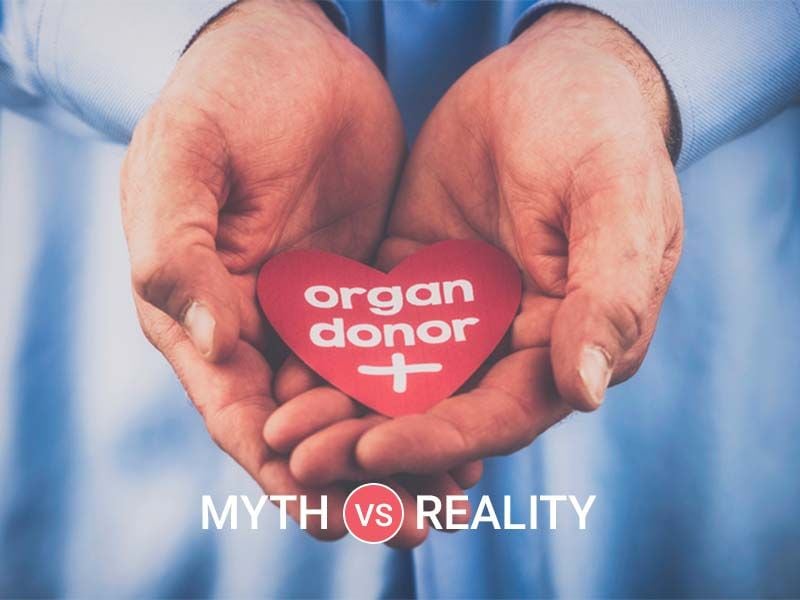
  • 10 Myths About Organ Donation
    Written by Parul Chopra (With inputs from Dr Sonia Lal Gupta) | Thursday March 09, 2017

    Organ donation is when a person allows healthy transplantable organs and tissues to be removed, either after death or when alive, and transplanted into another person. Common transplantations include: kidneys, heart, liver, pancreas, intestines, lungs, bones, bone marrow, skin, and corneas. There are a lot of myths about organ donation. Lets find out the truth.


SHARE YOUR STORY

Have you or someone you know been a beneficiary of organ donation? Share your experience to inspire others to support the cause of organ donation.

Join Us