• Home/
  • Photos/
  • Usha Silai School Programme Stitching Together Empowerment And Economic Growth Across India: IIT Delhi Study

Usha Silai School Programme Stitching Together Empowerment And Economic Growth Across India: IIT Delhi Study

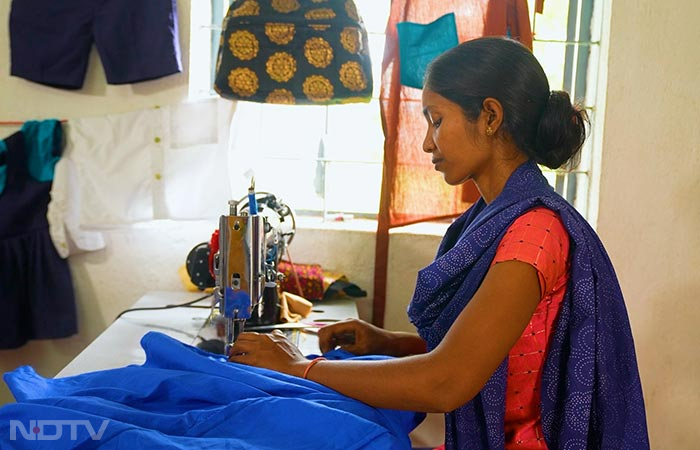
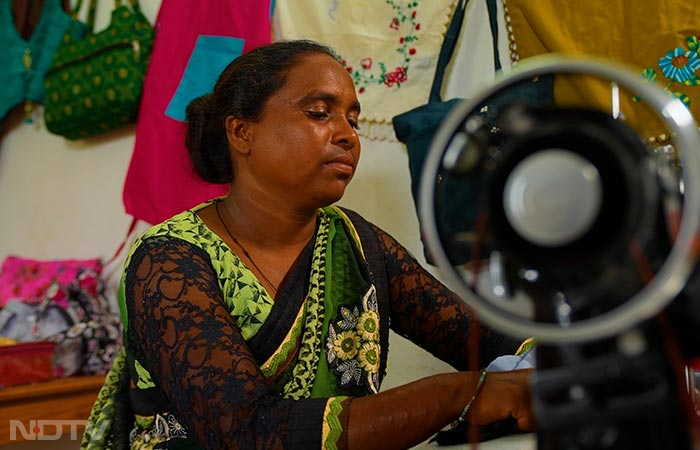
Empowering women across diverse backgrounds, the Usha Silai School programme not only offers sewing and stitching skills but also fosters inclusivity and economic independence. A recent independent study by IIT Delhi highlights its profound impact, showcasing how this initiative not only transforms individual lives but also contributes significantly to achieving Sustainable Development Goals (SDGs). Take a look!
Usha Silai School Programme Stitching Together Empowerment And Economic Growth Across India: IIT Delhi Study

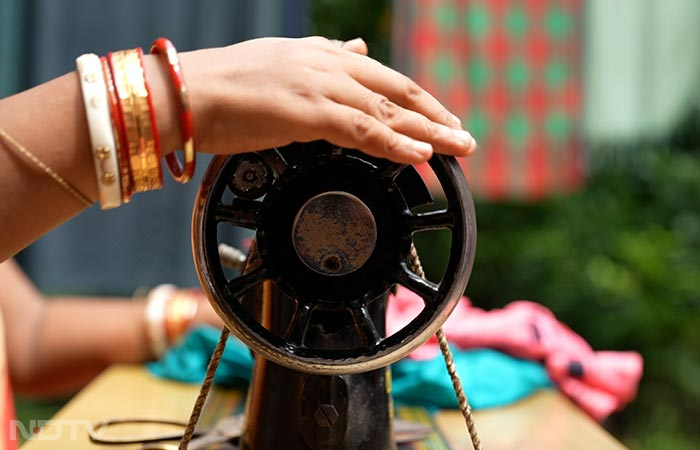
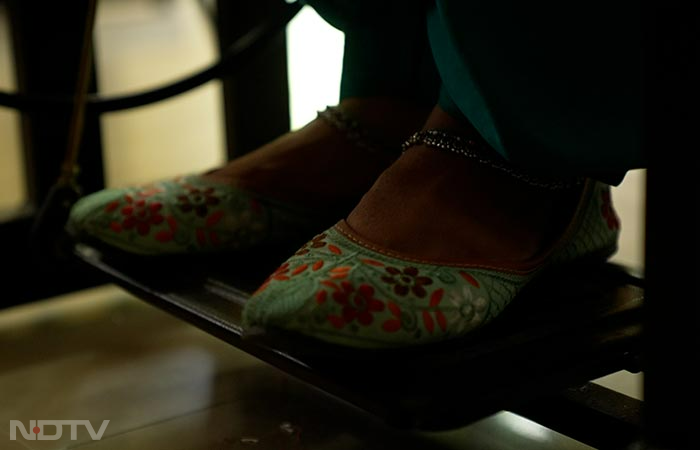
For over 12 years, USHA has been empowering and transforming the lives of lakhs of Silai School women, offering sewing and stitching skills through its many programs and partnerships across India. To assess the impact of the Usha Silai School programme, IIT Delhi began an independent study in January 2023 in collaboration with Usha, its NGO partners, and the beneficiaries.
Usha Silai School Programme Stitching Together Empowerment And Economic Growth Across India: IIT Delhi Study

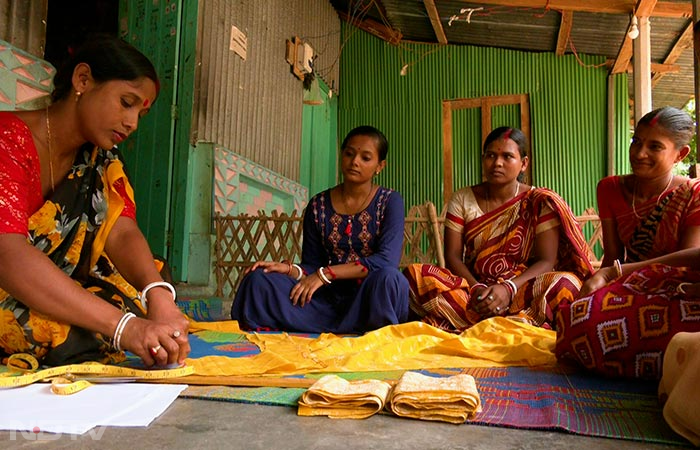
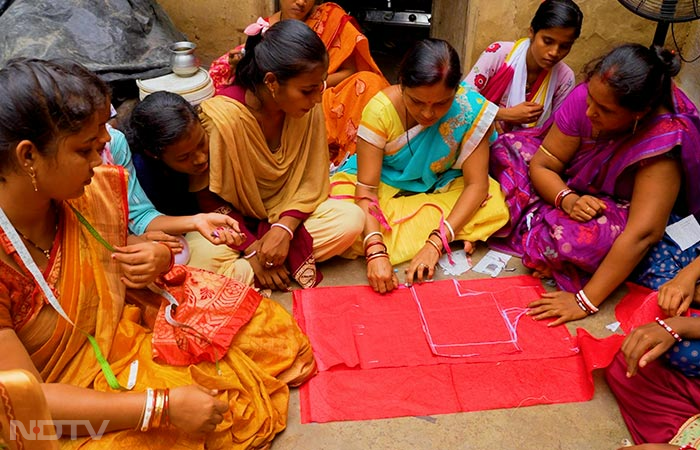
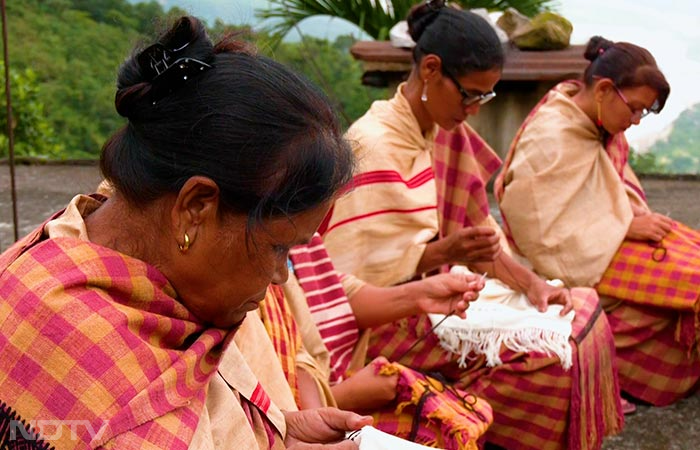
The study included going into the field and understanding how the project has impacted the individual beneficiaries and the community at large. It also evaluated the inclusiveness of the Usha Silai School program which attracts various women from different economic, and social backgrounds, and life circumstances.
Usha Silai School Programme Stitching Together Empowerment And Economic Growth Across India: IIT Delhi Study

The assessment study started with a pilot research to gather data. The team then kept rectifying their questionnaires, survey methods and interview plans, sometimes even improvising based on the situation.

Usha Silai School Programme Stitching Together Empowerment And Economic Growth Across India: IIT Delhi Study

Considering the representation of women from across regions, religions, castes, and tribes, the IIT study describes the Usha Silai School Programme as "creating an impact beyond economic realms," and "a good example of inclusivity".

Usha Silai School Programme Stitching Together Empowerment And Economic Growth Across India: IIT Delhi Study

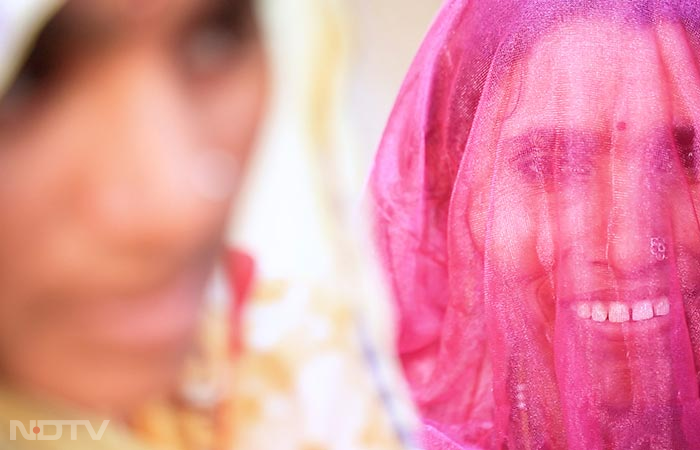
The study also notes how in selecting beneficiaries, the priority is given to economically disadvantaged women, rape survivors, transgender individuals, manual scavengers, women with disabilities, widowed and separated women, HIV-positive women, and single parents.

Usha Silai School Programme Stitching Together Empowerment And Economic Growth Across India: IIT Delhi Study

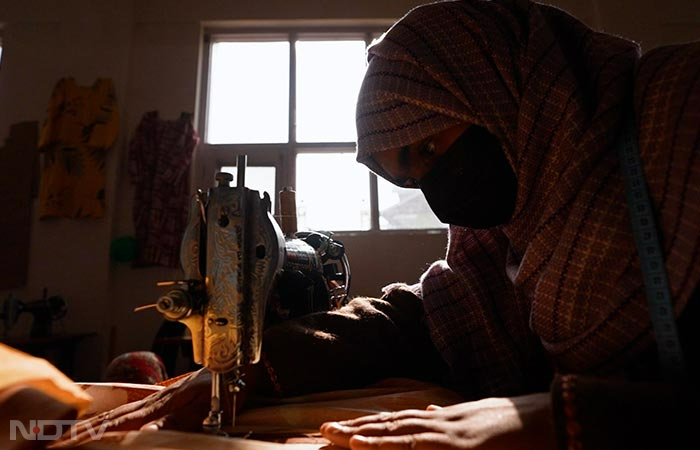
Since its inception, the Usha Silai School programme has demonstrated a remarkable capacity for innovation and adaptability, from incorporating mask-making during Covid-19 to including life skills in the training module.

Usha Silai School Programme Stitching Together Empowerment And Economic Growth Across India: IIT Delhi Study

The Usha Silai program goes beyond teaching sewing skills; it also leaves a mark in the world of fashion. The introduction of the USHA Silai label has helped many beneficiaries connect with markets, providing many women with opportunities to showcase their skills and collaborate with India's top fashion designers at the Lakme Fashion Week.
Usha Silai School Programme Stitching Together Empowerment And Economic Growth Across India: IIT Delhi Study

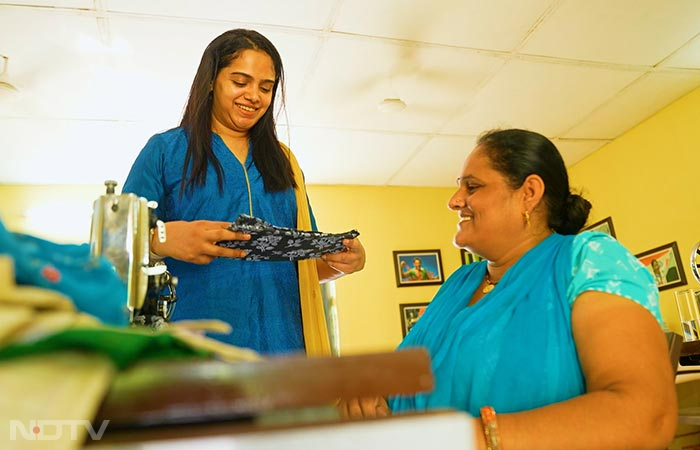
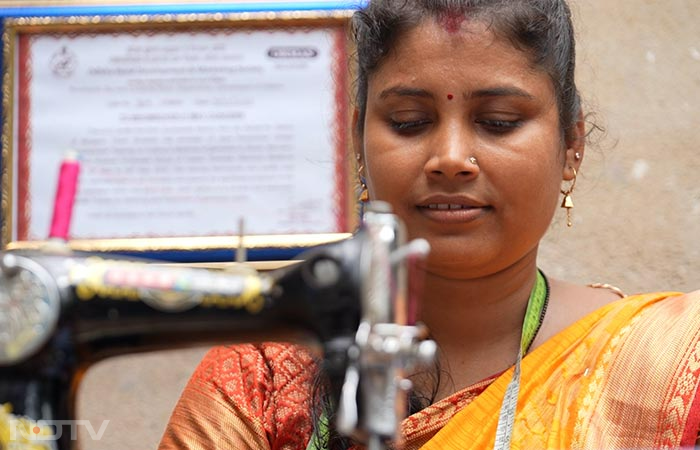
Perhaps the most significant impact of the Usha Silai School program lies in its domino effect. The initiative is structured in such a way that it turns sewing trainees into Classical Silai School teachers, who then provide training to other women.

Usha Silai School Programme Stitching Together Empowerment And Economic Growth Across India: IIT Delhi Study

The best students trained by Classical Silai School teachers undergo further training from USHA to become Satellite School Teachers, who then take the training to even more women.

Usha Silai School Programme Stitching Together Empowerment And Economic Growth Across India: IIT Delhi Study

The IIT Delhi report shows a significant economic impact of the investment made by Usha Silai Schools in empowering and enabling women. As much as 59.41 per cent of Usha Silai School teachers surveyed reported a monthly income of Rs 5,000; 32.82 per cent earned between Rs 5,000 and Rs 10,000 per month, 4.65 per cent reported monthly incomes between Rs 10,000 and Rs 15,000, 1.01 per cent between Rs 15,000 and Rs 20,000 per month, and 2.11 per cent said their earnings are over Rs 20,000 per month.
Usha Silai School Programme Stitching Together Empowerment And Economic Growth Across India: IIT Delhi Study

The IIT Delhi report highlights another significant impact -- through skill development and women empowerment, the Usha Silai School program contributes directly to achieving four Sustainable Development Goals: No poverty, Quality education, Gender equality, and Decent work and economic growth.

Photos

................................ Advertisement ................................

Latest Stories

  • 'Hithendran Effect' Keeping Tamil Nadu At The Forefront Of Organ Donation
    Written by Snigdha Basu | Wednesday February 15, 2017 , Chennai

    The story of a 15-year-old boy named Hithendra, who lost his life in a motorbike accident, continues to inspire many in Tamil Nadu to become organ donors. As his parents chose to donate Hithendra's heart, kidney, liver, corneas and bone marrow, their action sparked off a movement called 'Hithendra Effect'.

  • A New Heart, A New Lease Of Life
    Written by Harsha Kumari Singh | Tuesday February 14, 2017 , Jaipur

    The heart Oshin received was donated by the family of a 55-year-old man after he was declared brain dead. For the surgery, a green corridor was created and the heart was moved from a hospital in Gurgaon to Okhla in just 27 minutes.

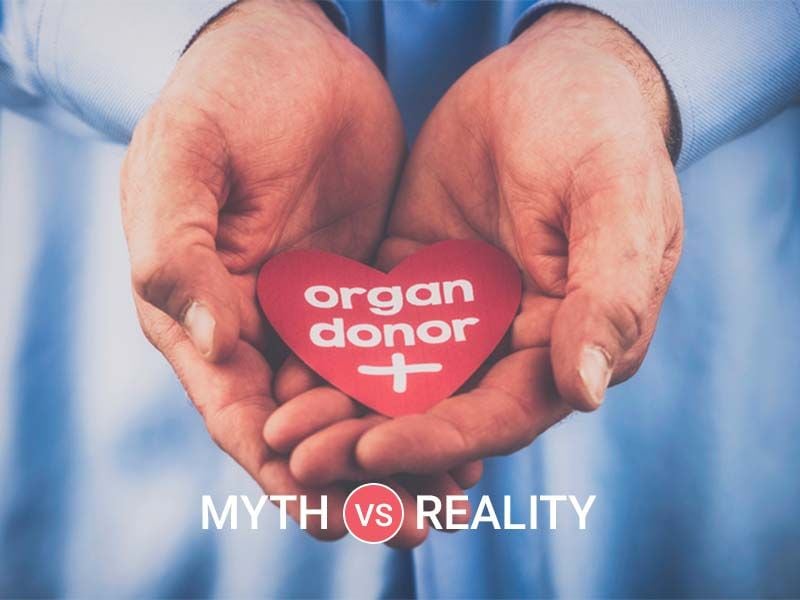
  • 10 Myths About Organ Donation
    Written by Parul Chopra (With inputs from Dr Sonia Lal Gupta) | Thursday March 09, 2017

    Organ donation is when a person allows healthy transplantable organs and tissues to be removed, either after death or when alive, and transplanted into another person. Common transplantations include: kidneys, heart, liver, pancreas, intestines, lungs, bones, bone marrow, skin, and corneas. There are a lot of myths about organ donation. Lets find out the truth.


SHARE YOUR STORY

Have you or someone you know been a beneficiary of organ donation? Share your experience to inspire others to support the cause of organ donation.

Join Us