Women Stitching Second Chances: Usha Silai School Transforms Lives
Life throws impossible challenges, but a needle and thread can stitch broken dreams back together. Watch how Usha Silai School create safe havens for widows, survivors, and single mothers like Marifat from Srinagar, Jyoti from Ujjain, and Vimla from Rajasthan's Sikar
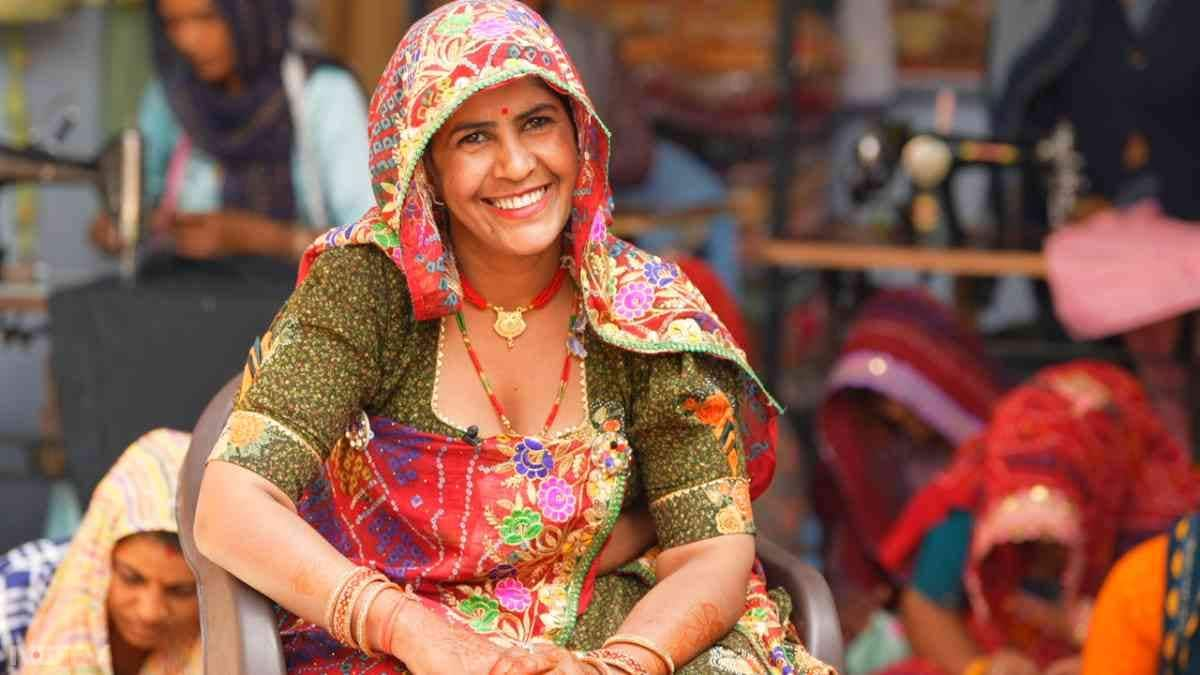
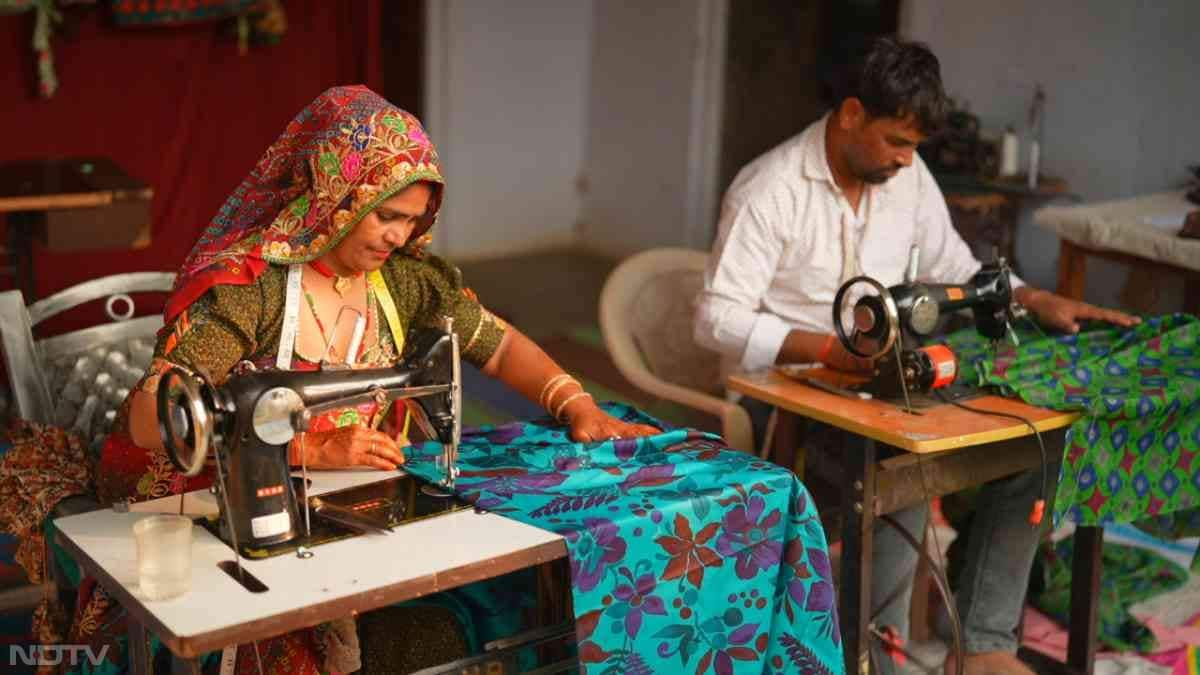
In Rajasthan's Neemki village, Sikar district, 35-year-old Vimla Devi collaborates with her husband Mewaram at their shared tailoring setup, adjusting a salwar kameez pattern on her Usha machine acquired after 2021's Reengus training. Widowed young with children Ankit and Monika, her shift from farm labor to monthly ?8,000-?10,000 income now covers private schooling, as she teaches locals and warns against child marriages that stole her own childhood.
Vimla beams with pride at a community gathering, certificate in hand, surrounded by women she's trained in fresh designs, her journey from 10-year-old bride to respected entrepreneur highlighted by Regional Manager Mohan Lal's insights on Usha's mindset-shifting residential program. Remarried and empowered since 2022, she and Mewaram divide tasks to sustain their business, proving nine days of skill-building can rewrite narratives of loss into legacies of dignity and village-wide uplift.
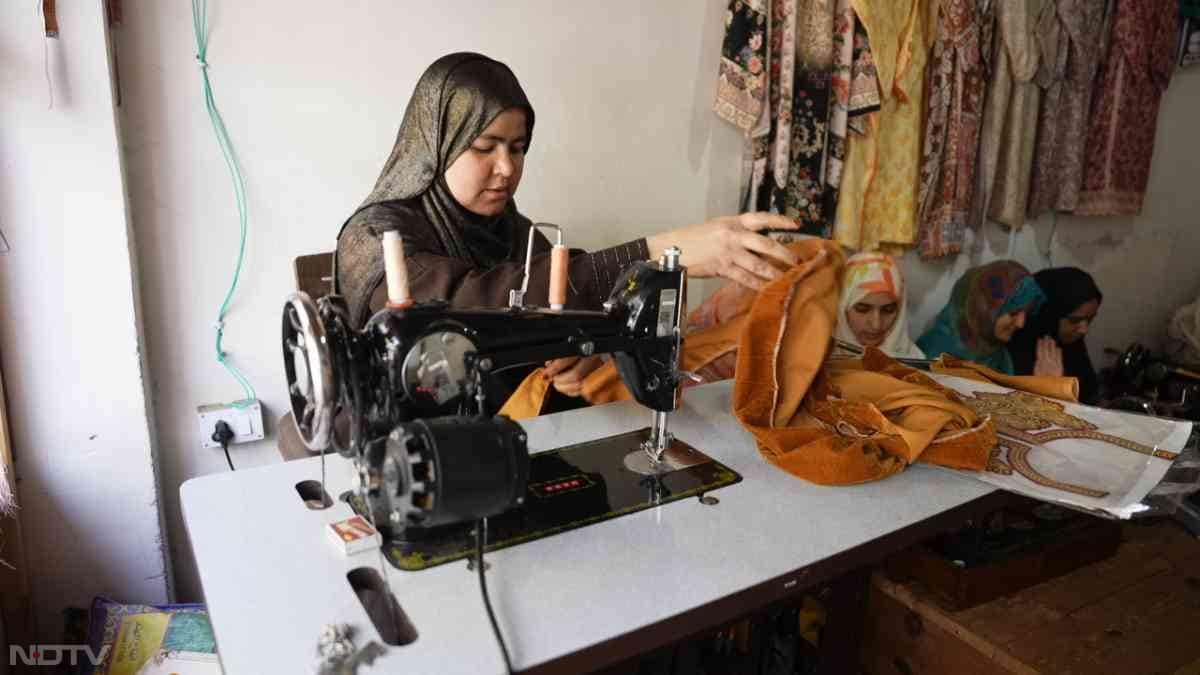
In Srinagar's Nowhatta, Marifat stands resilient in her boutique near Jamia Masjid, threading a needle with steady hands after her husband's sudden death in 2023 left her widowed with two young children. Through Usha Silai School's nine-day residential training via University of Kashmir's social work program, she transformed grief into grit-earning ?8,000-?15,000 monthly, stitching not just garments but her path to independence and self-respect.
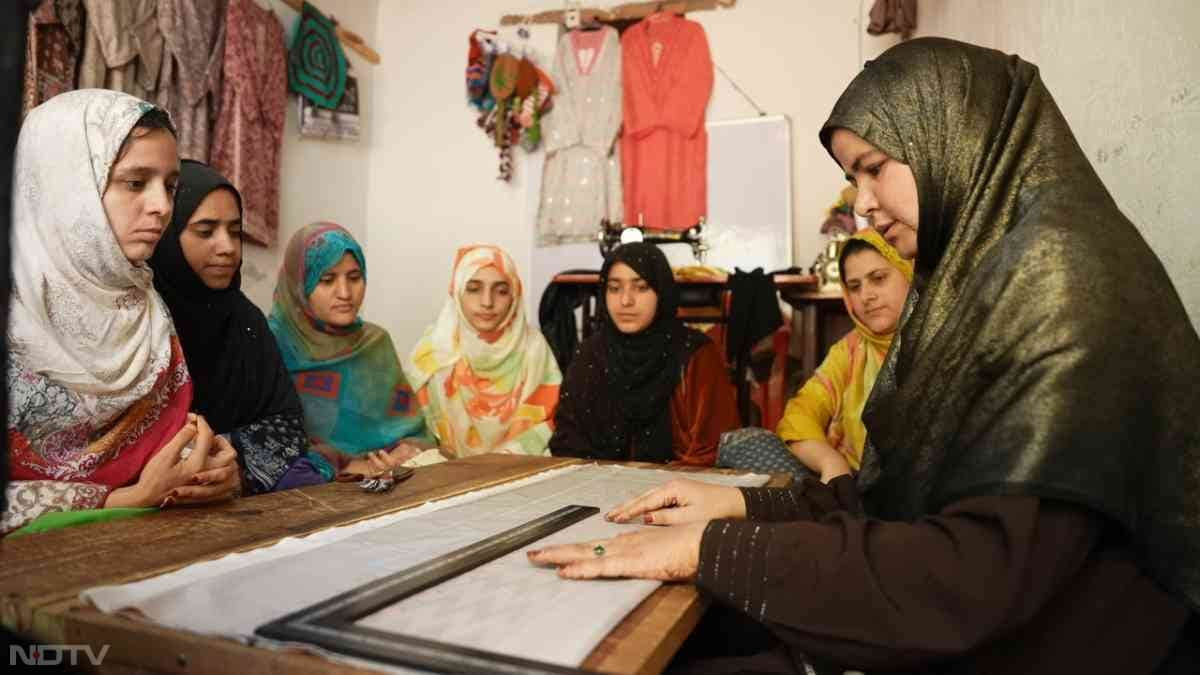
Marifat shares a heartfelt moment with her 4.5-year-old daughter, who still believes her father sends money from afar, as they sit amid bolts of vibrant fabric in their home-turned-workspace. From double MA dreams deferred to embracing stitching over unstable jobs, Marifat's leap of faith in the Usha program rebuilt her confidence, allowing her to employ four women and vow to help 10-20 more rise from despair.
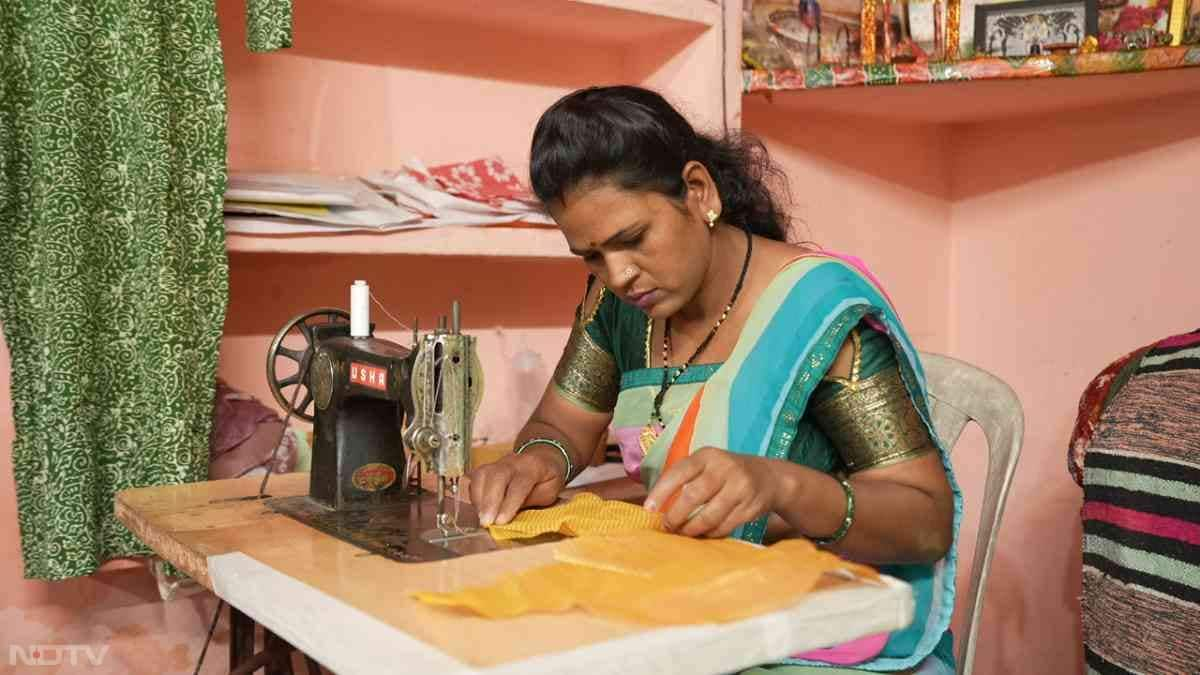
Near Ujjain in Kalukhedi village, Jyoti Khare, 37, operates her Usha Silai School from a modest corner of her home, demonstrating blouse stitching to eager trainees while wearing her mangalsutra as a shield against judgment. Married at 14 and divorced in 2012 after years of abuse, her 2023 nine-day training turned survival gigs-like e-rickshaw driving and cooking-into a stable enterprise training villagers and fulfilling her dream of city expansion.
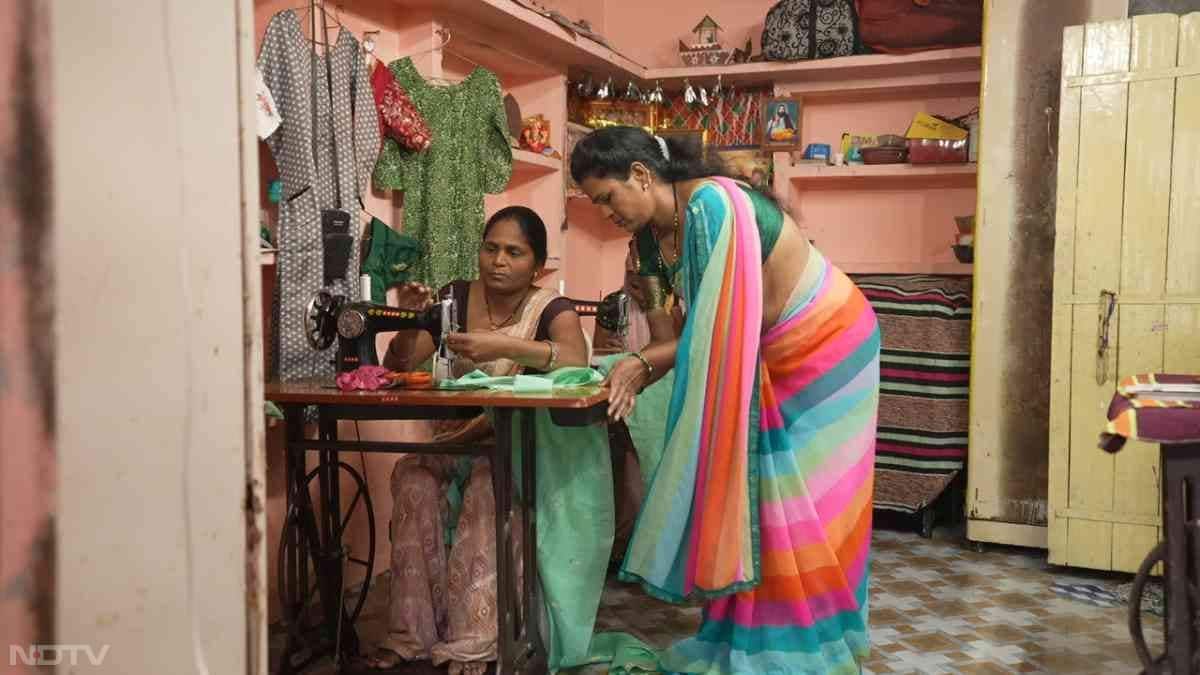
Jyoti reflects during a village training session, her face lit with newfound purpose as she guides women on gown designs, echoing her escape from 14 years of locked doors and beatings. Now balancing household duties with earnings that fund her three children's education, she embodies Usha's gift of "gharelu kaam" that keeps her rooted at home yet soaring toward a recognized identity, free from wandering for odd jobs.
................................ Advertisement ................................
 Written by Snigdha Basu | Wednesday February 15, 2017 , Chennai
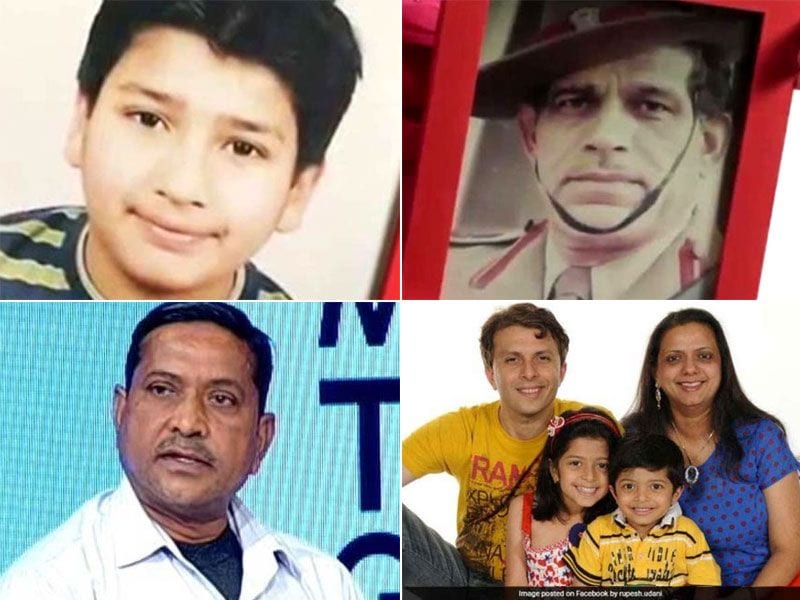
The story of a 15-year-old boy named Hithendra, who lost his life in a motorbike accident, continues to inspire many in Tamil Nadu to become organ donors. As his parents chose to donate Hithendra's heart, kidney, liver, corneas and bone marrow, their action sparked off a movement called 'Hithendra Effect'.
- Written by Harsha Kumari Singh | Tuesday February 14, 2017 , Jaipur
The heart Oshin received was donated by the family of a 55-year-old man after he was declared brain dead. For the surgery, a green corridor was created and the heart was moved from a hospital in Gurgaon to Okhla in just 27 minutes.
- Written by Parul Chopra (With inputs from Dr Sonia Lal Gupta) | Thursday March 09, 2017
Organ donation is when a person allows healthy transplantable organs and tissues to be removed, either after death or when alive, and transplanted into another person. Common transplantations include: kidneys, heart, liver, pancreas, intestines, lungs, bones, bone marrow, skin, and corneas. There are a lot of myths about organ donation. Lets find out the truth.