World Hand Hygiene Day: A Way Forward For Healthier Communities
World Hand Hygiene Day, marked on May 5, is a World Health Organization (WHO) initiative that highlights clean hands as a fundamental practice for preventing the spread of diseases
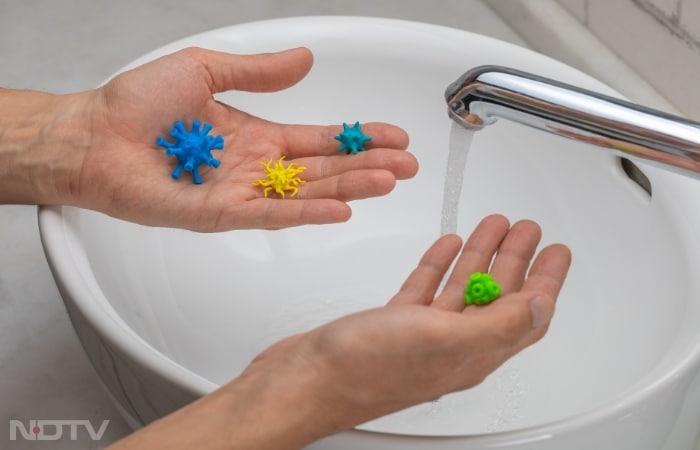
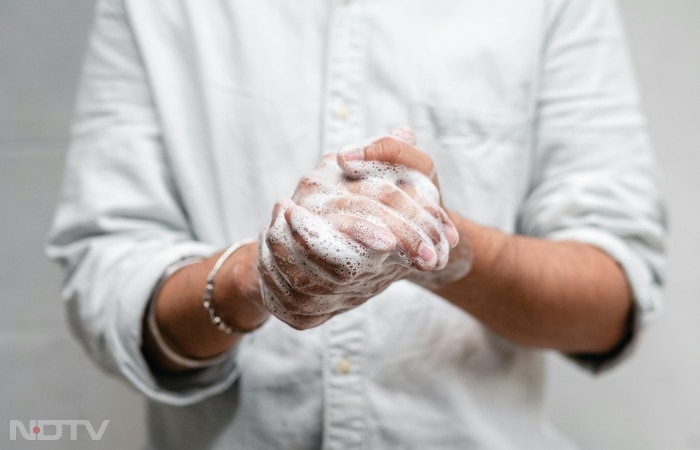
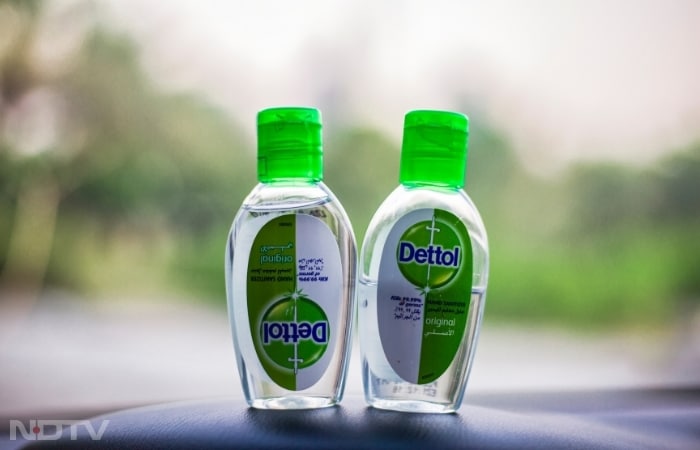
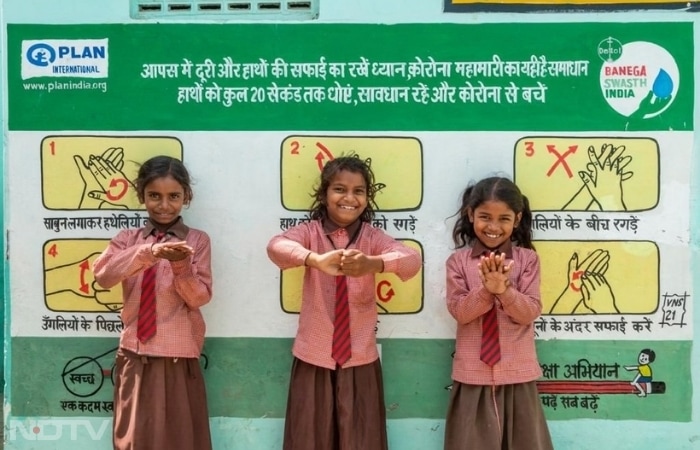


Ravi Bhatnagar, Director - External Affairs & Partnerships, South Asia (SoA) shed light on Antimicrobial resistance (AMR). According to the WHO, AMR occurs when bacteria and viruses stop responding to antimicrobial medicines. As a result of drug resistance, antibiotics and other antimicrobial medicines become ineffective and infections become difficult or impossible to treat, increasing the risk of disease spread and severe illness. Talking about India's status, Bhatnagar said, "India is struggling with Antimicrobial Resistance (AMR). The country is known as the AMR capital of the world. But one simple habit can combat it - Handwashing. It is one of the simplest and most effective ways."

................................ Advertisement ................................
 Written by Snigdha Basu | Wednesday February 15, 2017 , Chennai
The story of a 15-year-old boy named Hithendra, who lost his life in a motorbike accident, continues to inspire many in Tamil Nadu to become organ donors. As his parents chose to donate Hithendra's heart, kidney, liver, corneas and bone marrow, their action sparked off a movement called 'Hithendra Effect'.
- Written by Harsha Kumari Singh | Tuesday February 14, 2017 , Jaipur
The heart Oshin received was donated by the family of a 55-year-old man after he was declared brain dead. For the surgery, a green corridor was created and the heart was moved from a hospital in Gurgaon to Okhla in just 27 minutes.
- Written by Parul Chopra (With inputs from Dr Sonia Lal Gupta) | Thursday March 09, 2017
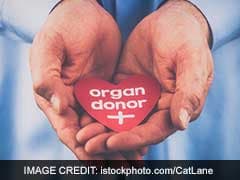
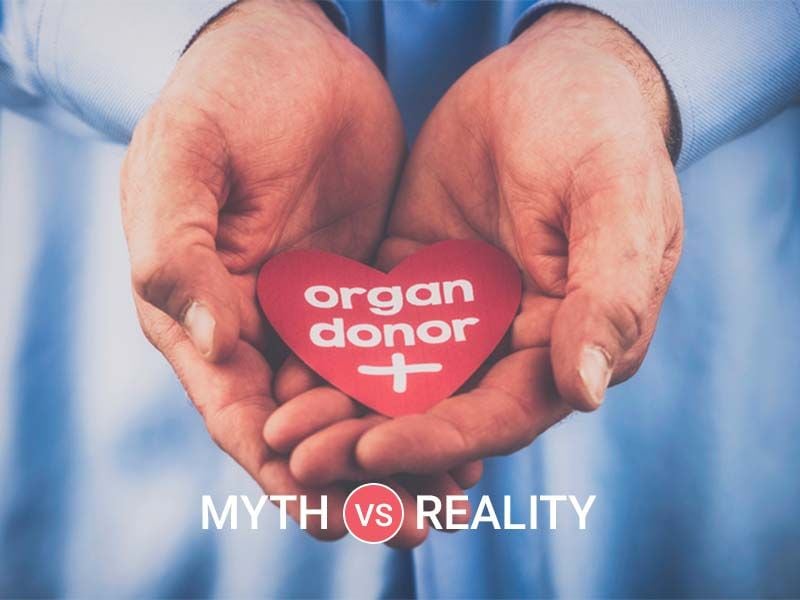
Organ donation is when a person allows healthy transplantable organs and tissues to be removed, either after death or when alive, and transplanted into another person. Common transplantations include: kidneys, heart, liver, pancreas, intestines, lungs, bones, bone marrow, skin, and corneas. There are a lot of myths about organ donation. Lets find out the truth.