World Health Day: Unite Against Antimicrobial Resistance With Dettol Banega Swasth India
This World Health Day, Dettol #BanegaSwasthIndia brought attention to the pressing issue of Antimicrobial Resistance (AMR), a significant health threat that poses serious challenges to global health. Experts highlighted the urgent need to address AMR, discussing its implications for medical treatments and public health.
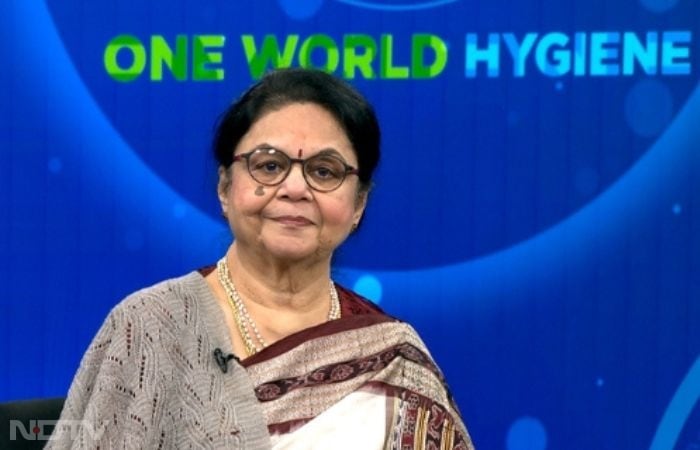
Dr. Indira Chakravarty, a distinguished Public Health Specialist and Padma Shri awardee in 2014, elaborates on Antimicrobial Resistance (AMR), a growing global health concern. AMR occurs when bacteria, viruses, and parasites evolve to resist treatments, making infections harder to manage. Dr. Chakravarty emphasises that simple hygiene practices, such as regular handwashing, safe food handling, and proper vaccination, play a critical role in preventing the proliferation of resistant strains.
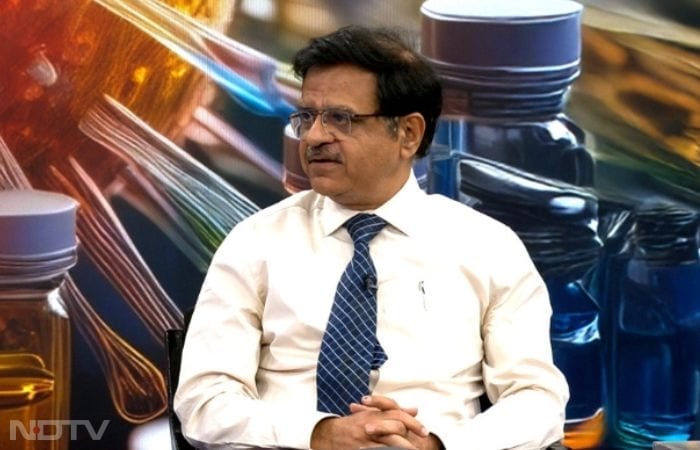
Dr. Narendra Saini from the Indian Medical Association warns that irrational use of antimicrobials in humans, crops, and the environment leads to resistance. He explains that when these powerful medicines are administered whether to humans, in agricultural practices, or even in environmental contexts microbes can rapidly adapt, resulting in drug resistance. This resistance jeopardizes effective treatment options for infections and may lead to a potential third pandemic if not addressed properly.

Ravi Bhatnagar emphasised Dettol Banega Swasth India's dedication to promoting awareness about antimicrobial resistance (AMR). He said, "Dettol #BanegaSwasthIndia is committed to integrating AMR awareness into our existing hygiene programs. We understand the importance of educating from a young age, so we're developing child-friendly resources, conducting behavioral research, and will look into using local languages to spread the message. Ultimately, we must emphasise the importance of personal hygiene and responsible antibiotic use, working together to safeguard our future."

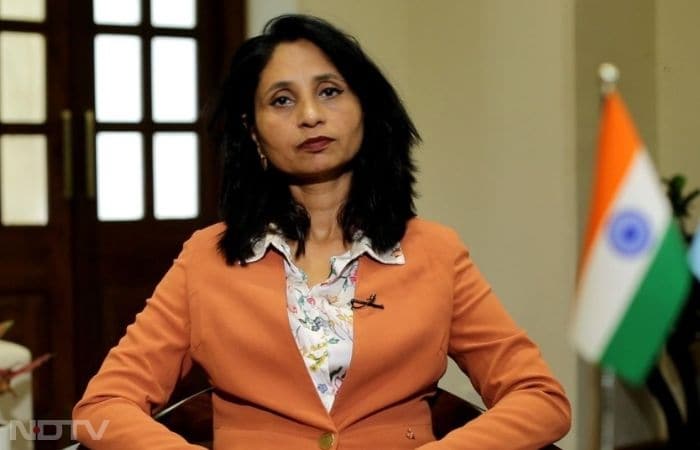
Sunita George, Principal of Bombay Scottish, Mumbai, emphasizes that schools are vital in raising awareness about AMR, highlighting the need for hygiene education, particularly promoting handwashing among students. She said, "School can contribute to spreading awareness because we have a larger impact. In case of AMR, it requires a behavioural change. Hence, it is important we talk to children about hygiene, especially handwashing."
................................ Advertisement ................................
 Written by Snigdha Basu | Wednesday February 15, 2017 , Chennai
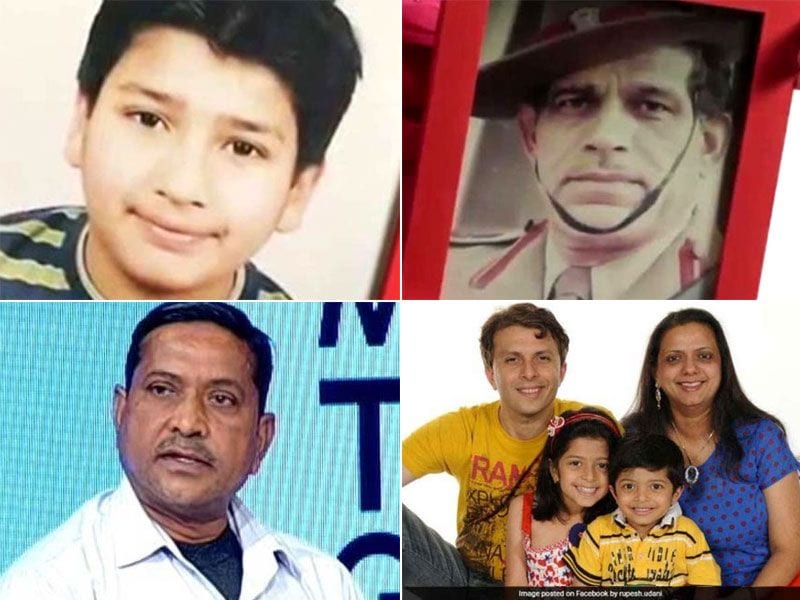
The story of a 15-year-old boy named Hithendra, who lost his life in a motorbike accident, continues to inspire many in Tamil Nadu to become organ donors. As his parents chose to donate Hithendra's heart, kidney, liver, corneas and bone marrow, their action sparked off a movement called 'Hithendra Effect'.
- Written by Harsha Kumari Singh | Tuesday February 14, 2017 , Jaipur
The heart Oshin received was donated by the family of a 55-year-old man after he was declared brain dead. For the surgery, a green corridor was created and the heart was moved from a hospital in Gurgaon to Okhla in just 27 minutes.
- Written by Parul Chopra (With inputs from Dr Sonia Lal Gupta) | Thursday March 09, 2017
Organ donation is when a person allows healthy transplantable organs and tissues to be removed, either after death or when alive, and transplanted into another person. Common transplantations include: kidneys, heart, liver, pancreas, intestines, lungs, bones, bone marrow, skin, and corneas. There are a lot of myths about organ donation. Lets find out the truth.