World Telecommunication Day: From Landline To Mobile, How Technology Changed
World Telecommunication Day is celebrated every year on May 17 since 1969. The date also marks the founding of International Telecommunication Union, a United Nations agency, on May 17, 1865.
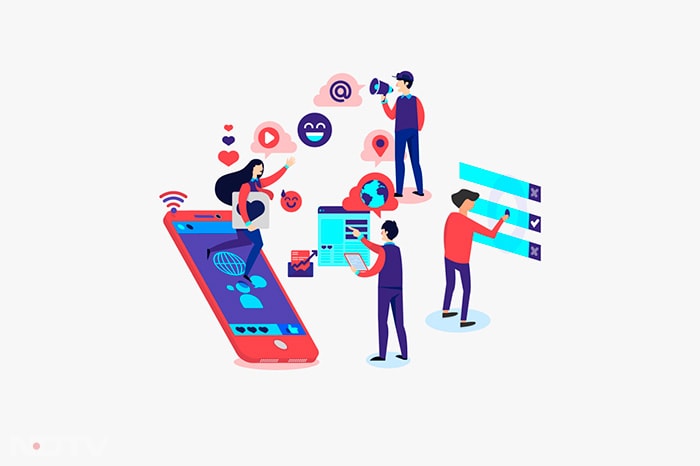
The purpose of World Telecommunication and Information Society Day (WTISD) is to help raise awareness of the possibilities that the use of the internet and other information and communication technologies can bring to societies and economies, as well as of ways to bridge the digital divide. (Pixabay)

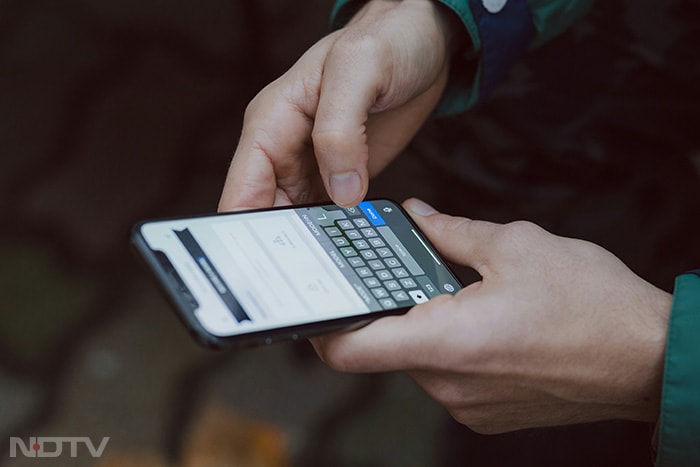
In the last 55 years, communication technology has undergone a radical transformation. What started with landline telephones has evolved through various stages to the high-speed, ubiquitous connectivity of 5G. This journey reflects not just technological advancements but also significant changes in how people interact, work and live. (Unsplash)

In the late 1960s and early 1970s, landline telephones were the cornerstone of communication. These devices, often rotary dial phones, were found in almost every household. They provided a reliable means of voice communication, connecting people over long distances through a vast network of wired infrastructure. (Unsplash)

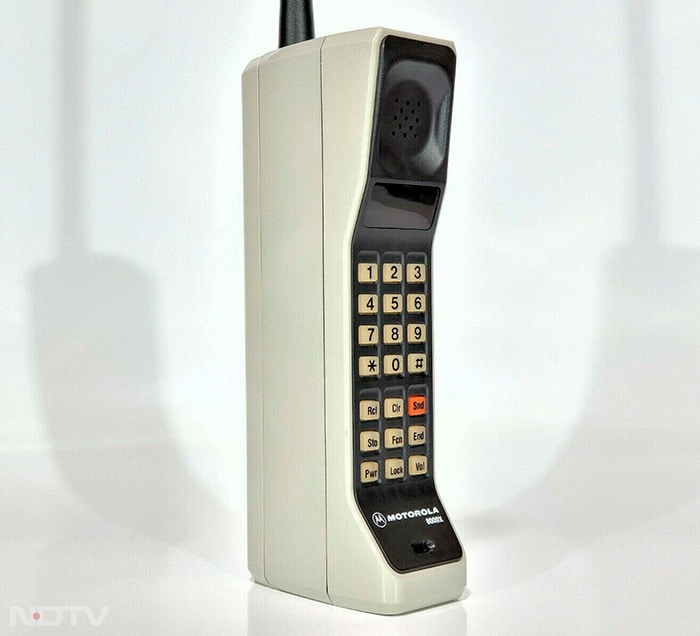
The 1990s saw the birth of mobile phones, beginning with the bulky, expensive models like the Motorola DynaTAC. These early mobile phones were primarily status symbols, limited to a small segment of the population due to their high cost and the nascent stage of cellular networks. (X/@OnThisDayHisto)
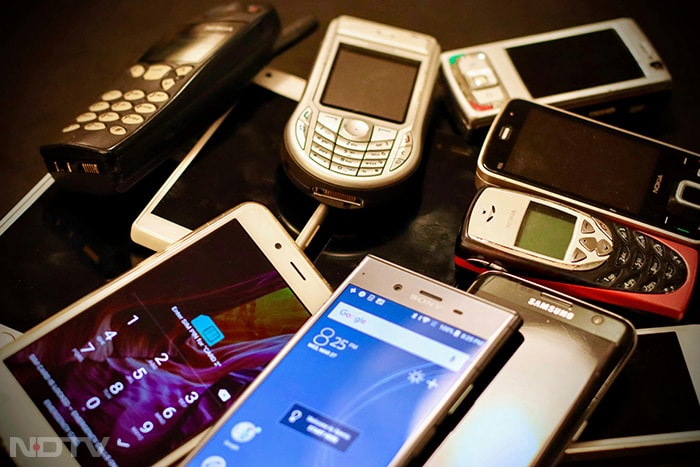
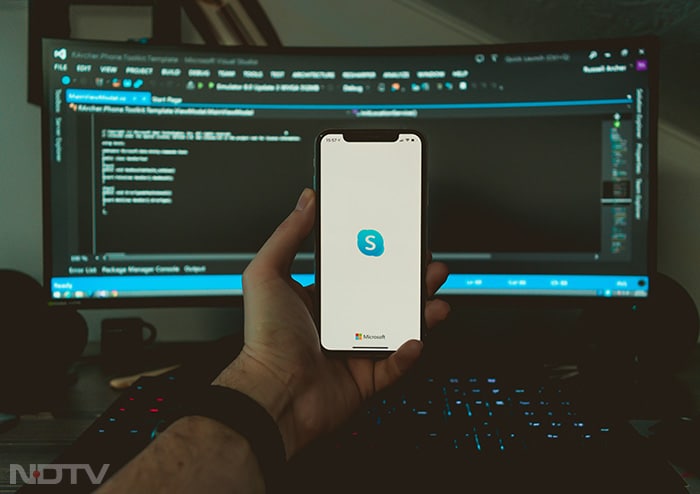
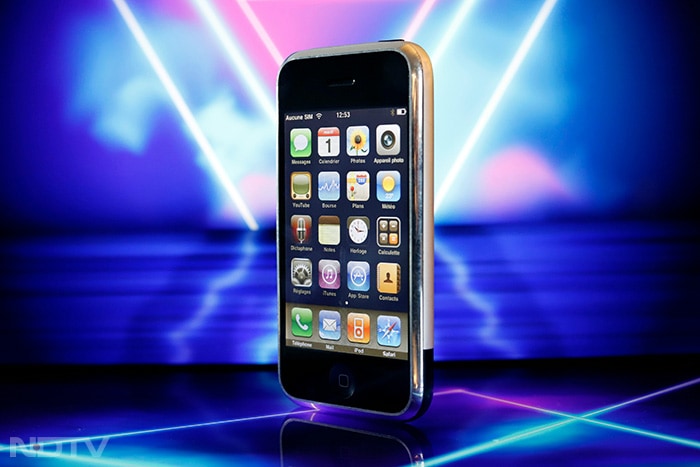
The introduction of the iPhone in 2007 by Apple marked the beginning of the smartphone era. Smartphones combined mobile phone capabilities with powerful computing features, effectively putting a mini-computer in every user's pocket. The subsequent release of Android further popularised smartphones, making them accessible to a broader audience. (Unsplash)
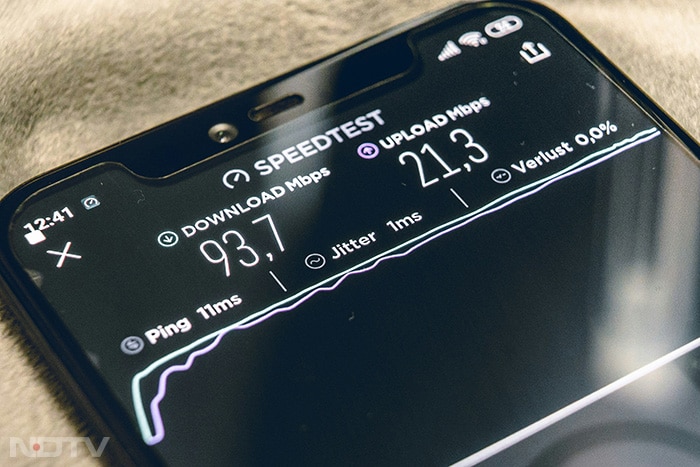
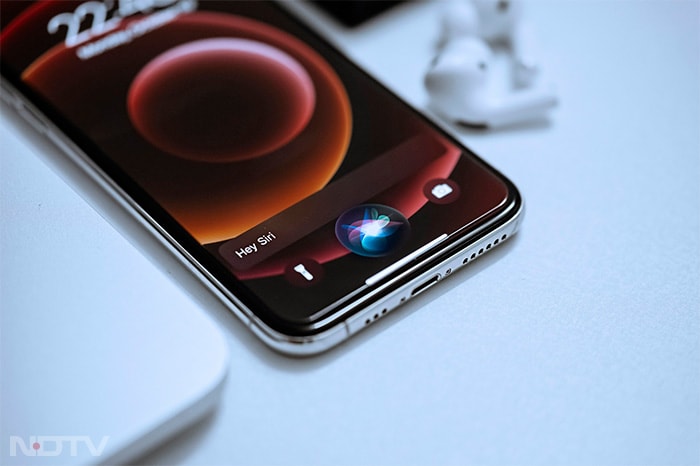
As the demand for faster and more reliable communication grew, the development of 5G technology began. 5G, launched in early 2020s, promised even greater speeds, lower latency, and the ability to connect a vast number of devices simultaneously. This advancement is not just about speed but also about enabling new technologies such as the Internet of Things (IoT), augmented reality (AR) and autonomous vehicles. (Unsplash)

................................ Advertisement ................................
 Written by Snigdha Basu | Wednesday February 15, 2017 , Chennai
The story of a 15-year-old boy named Hithendra, who lost his life in a motorbike accident, continues to inspire many in Tamil Nadu to become organ donors. As his parents chose to donate Hithendra's heart, kidney, liver, corneas and bone marrow, their action sparked off a movement called 'Hithendra Effect'.
- Written by Harsha Kumari Singh | Tuesday February 14, 2017 , Jaipur
The heart Oshin received was donated by the family of a 55-year-old man after he was declared brain dead. For the surgery, a green corridor was created and the heart was moved from a hospital in Gurgaon to Okhla in just 27 minutes.
- Written by Parul Chopra (With inputs from Dr Sonia Lal Gupta) | Thursday March 09, 2017
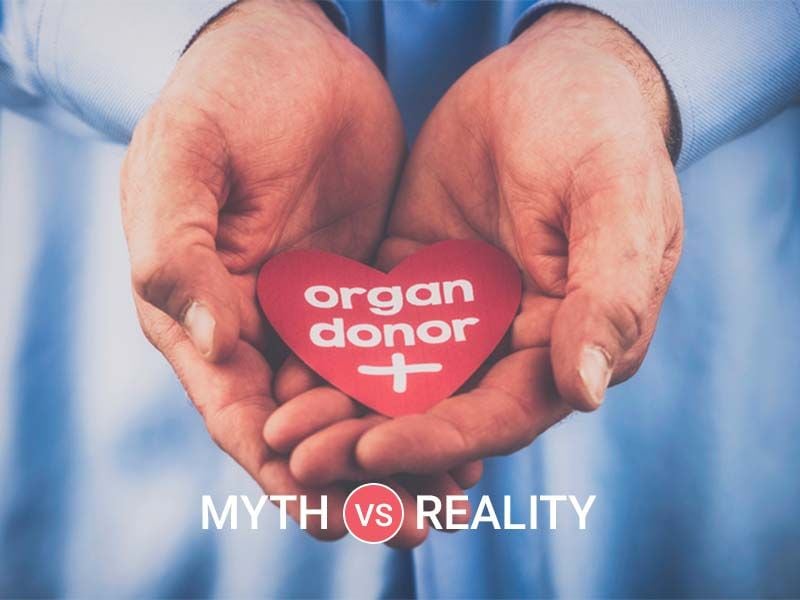
Organ donation is when a person allows healthy transplantable organs and tissues to be removed, either after death or when alive, and transplanted into another person. Common transplantations include: kidneys, heart, liver, pancreas, intestines, lungs, bones, bone marrow, skin, and corneas. There are a lot of myths about organ donation. Lets find out the truth.