




- Home/
- Shwetdhara: Empowering Rural Women In India's Dairy Revolution
Shwetdhara: Empowering Rural Women In India's Dairy Revolution
Posted by Team NDTV | Updated: February 02, 2026 20:07 IST
New Delhi:
Shwetdhara, launched in 2017 by IDFC FIRST Bank's CSR arm FIRST IMPACT, transforms rural dairy farming by empowering women as leaders and entrepreneurs. This flagship program operates across Rajasthan, Madhya Pradesh, and Karnataka, partnering with organizations like Vrutti and End Poverty to build sustainable livelihoods for smallholder farmers.
Program Origins and Founders
IDFC FIRST Bank initiated Shwetdhara to address gaps in dairy productivity and women's economic roles in rural India. No single individual founder is named; instead, it's driven by the bank's FIRST IMPACT team, with contributions from partners like End Poverty, which started Mission Shwetdhara in 2018. Program managers like Varsha Goswami highlight its focus on training rural women for dairy management and income growth.
Who Are Gram Sakhis?
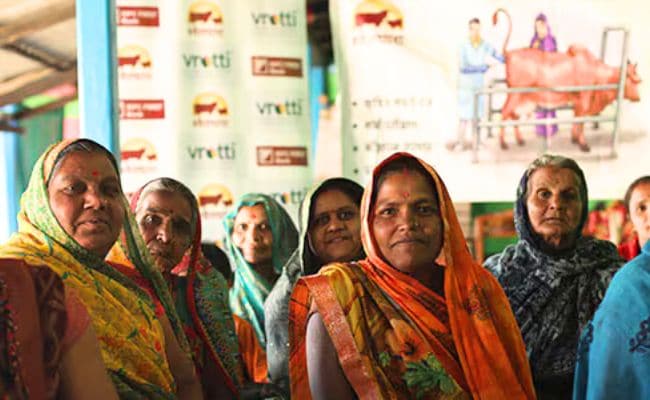
Gram Sakhis are village-level women volunteers—often first-generation entrepreneurs—from dairy-farming households. Trained in animal healthcare, breed improvement, nutrition, and financial literacy, they deliver doorstep services like artificial insemination, cattle treatments, and fodder advice to farming households. Over 1,082 Gram Sakhis now lead micro-enterprises, disseminating knowledge from more than 5,000 community trainings.
How Shwetdhara Works
The program builds a complete dairy ecosystem through capacity-building and infrastructure. Key elements include 21 Pashu Vikas Kendras (animal development centers) run by vets for services like 18,000+ breed improvements; tech tools for health tracking and farmer registration; and formation of all-women Farmer Producer Companies (FPCs). Women receive business training in financial management, market linkages, and cattle care, enabling bulk buying/selling and reduced middlemen reliance.
Scale and Expansions
From 454 villages initially, Shwetdhara now covers 880 villages, impacting 70,000+ households and 43,500+ families. It has incorporated 4 FPCs with 16,000+ women shareholders and plans further growth via tech and partnerships. Services have reached 91,300+ individuals with treatments, nutrition, and inputs.
Impact on Gram Sakhis and Communities
Gram Sakhis gain dignity, skills, and income, shifting from dependents to providers—many now head FPCs and earn from services. Milk productivity rises via better nutrition and health, boosting household incomes and resilience. Communities see women-led changes: 18,805 cattle treatments by Gram Sakhis and economic uplift, aligning with SDG goals for gender equality. Recognized nationally, it models bank-led rural innovation.
Future Vision
Shwetdhara eyes a self-sustaining, women-led dairy economy with expanded FPCs, AI vet tools, and market competition. By fostering tech-enabled enterprises, it promises lasting prosperity for rural India.
Published: February 02, 2026 18:13 IST
