




- Home/
- Stitching New Beginnings: How Usha Silai Schools Transformed Three Women's Lives
Stitching New Beginnings: How Usha Silai Schools Transformed Three Women's Lives
Written by Team NDTV | Updated: January 02, 2026 19:27 IST
New Delhi:
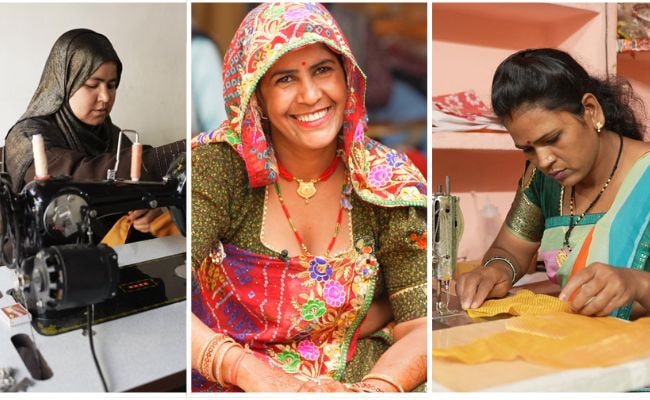
Life can hit hard, leaving women feeling lost and alone. But in villages across India, Usha Silai Schools offer more than sewing lessons—they provide skills, support, and a fresh start. These short training programs turn hardship into hope for widows, abuse survivors, and others facing tough times. Here are three real stories of women who picked up a needle and threaded their way to independence.
Marifat's Journey from Grief to Strength
In Srinagar's Nowhatta area, Marifat had a comfortable life until 2023. Her husband died suddenly at Delhi airport while working in Kolkata, leaving her with a 15-month-old son and 4.5-year-old daughter. Her in-laws abandoned her, sending her back to her parents' home with nothing. Overwhelmed and jobless despite two master's degrees, she felt trapped. A neighbor suggested Usha Silai School through the University of Kashmir's social work program. Hesitant but desperate, Marifat joined the nine-day residential training.
There, she learned sewing, met supportive women, and rebuilt her confidence. Today, she runs a boutique near Jamia Masjid, earning Rs 8,000–15,000 monthly. "I want to help 10–20 women like others helped me," she says. Her children now have stability, and she lives with self-respect.
Jyoti's Escape from Abuse to Enterprise
Near Ujjain in Madhya Pradesh, Jyoti married at 14 and became a mother at 15. For 14 years, her husband's drinking and beatings kept her locked at home. Divorced in 2012, she raised three children alone, cooking for others, driving an e-rickshaw, and fearing judgment. In December 2023, she attended Usha Silai School's nine-day training. It fit her life—no need to leave home long-term. By January 2024, she opened her own school in Kalukhedi, training villagers and taking orders. Now remarried to tailor Mewaram, they share the business.
Earning steadily, Jyoti funds her kids' education and gains community respect. "Stitching gave me an identity—no more wandering," she shares. She wears her mangalsutra for dignity, turning pity into pride.
Vimla's Rise from Child Bride to Tailor
In Neemki village, Sikar, Rajasthan, Vimla married at 10, quitting school for household duties. Widowed young with son Ankit and daughter Monika, she faced in-law rejection and labored on farms.
Supported by family but pressured, she heard about Usha Silai School at an Anganwadi meeting. In 2021, she joined nine-day training in Reengus—her first trip away. Returning with a machine and certificate, villagers marveled. She now earns Rs 8,000–10,000 monthly, runs a tailoring business with husband Mewaram, and teaches locals. Her daughter studies medicine privately, her son is in 12th grade. Vimla warns against child marriage in classes: "I regret mine—let girls study first." From laborer to leader, she proves skills change fates. Usha Silai Schools, started in 2011, select the most vulnerable women—no caste or religion barriers. The nine-day training covers sewing, life skills, and business basics, turning trainees into entrepreneurs. As Mohan Lal, Usha's regional manager, notes, it's a "mindset change." These women don't just stitch clothes—they mend lives, inspiring families and villages. One needle, endless possibilities.
Published: January 02, 2026 19:24 IST
