



'gopi karelia' - 8 News Result(s)
 Written by Somya Srivastava , Edited by Gopi Karelia | Friday June 08, 2018
With agriculture being one of the primary sources of livelihood in West Bengal, here's how USHA Silai School created an alternative employment in the state
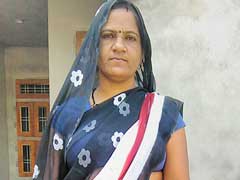 Written by Gopi Karelia , Edited by Sonia Bhaskar | Thursday April 19, 2018
Santosh Kumawat from Jaipur district has trained over 100 women in the last five years and aims to pass on her sewing skill to as many rural women as possible
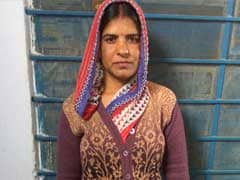 Written by Gopi Karelia , Edited by Sonia Bhaskar | Thursday April 19, 2018
Daily wage labourer Sunita kumawat dared to dream big and Silai School gave wings to her dreams
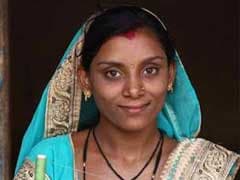 Written by Gopi Karelia and Somya Srivastava , Edited by Sonia Bhaskar | Thursday July 06, 2017
Madhya Pradesh's Kanha Tiger Reserve is one of the most popular national parks attracting many tourists buy at home does not have too many alternative sources of income available. Phuliya Bai and Rekha Rahangdale joined the Usha Silai programme and soon they turned entrepreneurs and started their own training schools to teach stitching to other women.
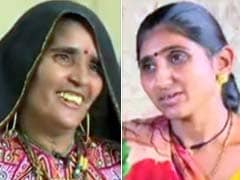 Written by Gopi Karelia , Edited by Sonia Bhaskar | Friday June 30, 2017
Two Rabari women of Gujarat overcame their respective physical disabilities and followed their passion of stitching and designing garments
 Written by Gopi Karelia , Edited by Sonia Bhaskar | Friday June 30, 2017
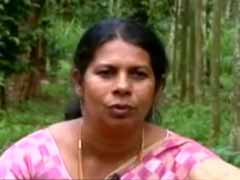
Turning adversity into an opportunity, Rejimol Tomy took charge of her household, children and is now looking to help other women to become financially independent.
 Written by Gopi Karelia , Edited by Sonia Bhaskar | Friday June 30, 2017
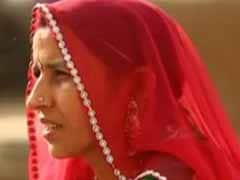
In a village like Bhelu ki Dhani in the Bikaner district of Rajasthan, women are not allowed to step out of house and work. The harsh reality of this village pushed Suva Kunwar to break the rules and start the work of stitching. Today she is a trendsetter in her village.
 Written by Gopi Karelia , Edited by Sonia Bhaskar | Friday June 30, 2017
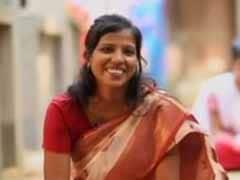
24-year old Nazira Ghazi embarked on a silai journey to complete her dreams. She defied societal pressures and now runs a Usha Silai school



Oxfam has decades of experience in providing support, care and relief in times of crisis like these. From famine to Ebola we care for the poorest of the poor and help them survive and overcome tragedies like these.
Over the last decade itself, Oxfam India has delivered more than 40 highly effective humanitarian responses across the country; it has reached out to nearly 1.3 million people in India directly and supported affected communities of many times greater than size indirectly through recovery and Disaster Risk Reduction (DRR) interventions.
Oxfam India ensures that no one is discriminated against and no one is left behind. Let’s not forget those who have no homes, jobs, food.
Women and children need your support in this fight against coronavirus. Don’t leave them behind. They need our compassion and care.