- Home/
- Not Just Your Lungs, That Smog Is Affecting Your Joints Too; Doctor Explains How
Not Just Your Lungs, That Smog Is Affecting Your Joints Too; Doctor Explains How
Written by Shreya Goswami | Updated: December 16, 2025 18:07 IST

Air pollution can also impact your joint health
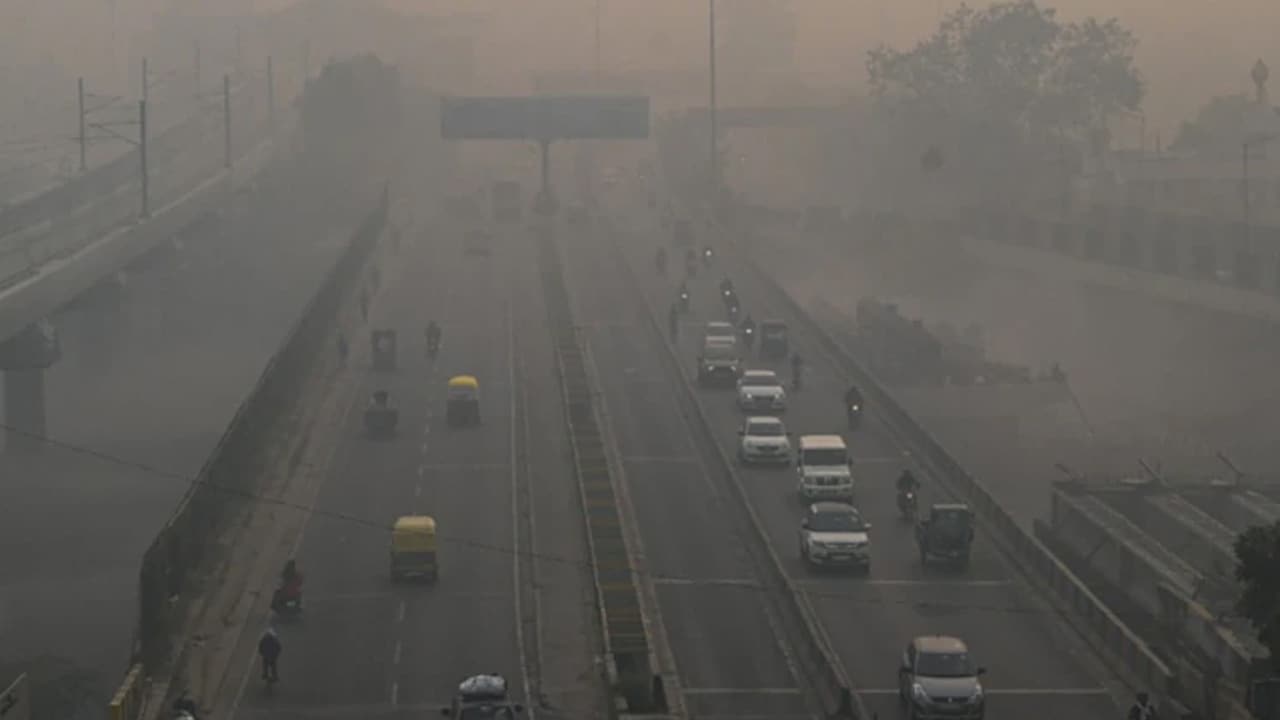
When air pollution levels spike, most people brace for coughing, breathlessness or irritated eyes. But doctors are now drawing attention to a less obvious consequence of prolonged smog exposure, like worsening joint pain, stiffness and early degeneration, particularly in the shoulders and hips. As cities across India, especially Delhi-NCR and Mumbai, battle persistent poor air quality, orthopaedic specialists are seeing a steady rise in patients complaining of unexplained joint discomfort that flares up during high-pollution periods.
"Air pollution does not stay confined to the lungs," explains Dr. Palash Gupta, Group Chairman - Orthopaedics & Joint Replacement, Yatharth Super Speciality Hospital, New Delhi. "Fine particulate matter, especially PM2.5, enters the bloodstream and triggers chronic inflammation throughout the body, including the joints." This phenomenon, often described as the smog-inflammation loop, creates a sustained inflammatory environment that quietly damages cartilage and connective tissue over time. Weight-bearing and high-mobility joints like the hips and shoulders are particularly vulnerable.
For people already dealing with arthritis, old injuries or age-related wear, pollution exposure can accelerate joint breakdown and intensify pain. Understanding how polluted air affects musculoskeletal health is crucial in a country facing both rising pollution and an ageing population.
How Smog Triggers Inflammation Beyond The Lungs
Smog contains a mixture of harmful pollutants, with PM2.5 (particles smaller than 2.5 micrometres) being among the most dangerous. These particles are small enough to penetrate deep into the lungs and cross into the bloodstream. "Once PM2.5 enters circulation, it causes a persistent low-grade inflammatory response," Dr. Gupta explains. "This inflammation doesn't spare joints, which rely on healthy cartilage and synovial fluid to function smoothly."
Chronic systemic inflammation damages joint tissues by:
- Increasing oxidative stress
- Accelerating cartilage breakdown
- Reducing the ability of joints to repair micro-injuries
A large population-based study published in Environmental Science & Technology found that long-term exposure to ambient particulate pollution was associated with a higher risk of developing osteoarthritis, even after adjusting for age and lifestyle factors.
Why Shoulders and Hips Are Hit Hardest
Not all joints are affected equally. Doctors note that shoulders and hips bear the brunt of pollution-related inflammation. "These joints are constantly in use and experience significant mechanical stress," Dr. Gupta notes. "When chronic inflammation is added to that stress, cartilage wears out faster." Hips are major weight-bearing joints, while shoulders allow a wide range of motion and are heavily dependent on soft tissues. Inflammatory damage in these joints leads to:
- Stiffness and reduced range of motion
- Pain during daily activities like walking or lifting
- Faster progression of degenerative conditions
Research published in Arthritis & Rheumatology has also shown a link between long-term PM2.5 exposure and increased prevalence of arthritis and rheumatoid arthritis, particularly in urban populations.
Why Symptoms Worsen During High Pollution Periods
Many patients report that joint pain worsens on days when air quality is poor. This isn't a coincidence. "When pollution levels rise, inflammatory markers in the body go up as well," explains Dr. Gupta. "This can trigger flare-ups in people with existing joint damage and even cause pain in those who were previously symptom-free." Cold weather, reduced physical activity and poor sunlight exposure during smog-heavy months further compound joint stiffness and discomfort.
Who Is Most at Risk
Doctors say the following groups are particularly vulnerable:
- People with osteoarthritis or rheumatoid arthritis
- Older adults with age-related cartilage loss
- Individuals with previous joint injuries
- Urban residents exposed to prolonged high pollution
The World Health Organization (WHO) has repeatedly warned that air pollution contributes to systemic inflammation and accelerates chronic disease progression beyond respiratory illness.
How To Protect Joint Health In Polluted Cities
While avoiding pollution entirely isn't possible, doctors recommend practical steps to reduce its impact on joints:
- Limit outdoor activity on high-smog days
- Stay well-hydrated to support joint lubrication
- Follow an anti-inflammatory diet rich in omega-3 fats, fruits and vegetables
- Maintain gentle movement through low-impact exercises like stretching and yoga
- Seek early medical advice for persistent joint pain
"Early intervention is key," Dr. Gupta emphasises. "Ignoring joint pain can allow damage to progress silently."
Treatment Options When Damage Has Started
For mild to moderate joint damage, conservative measures such as physiotherapy, medications and lifestyle changes may help. In some cases, arthroscopy, a minimally invasive procedure, can repair or remove damaged tissue and relieve pain. "In advanced cases where cartilage is severely worn out, joint replacement surgery can restore mobility and significantly improve quality of life," Dr. Gupta explains.
Air pollution's impact on health goes far beyond the lungs. The smog-inflammation loop quietly strains joints, accelerating damage in shoulders and hips that are essential for everyday movement. As pollution becomes a chronic reality in urban India, recognising its role in joint pain and degeneration is critical. With timely prevention, medical care and lifestyle adjustments, much of this damage can be slowed, protecting not just breath, but movement and independence as well.
Disclaimer: This content including advice provides generic information only. It is in no way a substitute for a qualified medical opinion. Always consult a specialist or your own doctor for more information. NDTV does not claim responsibility for this information.
Published: December 16, 2025 17:24 IST