- Home/
- With 10 AQI, Shillong Breathes Easy: Lessons For India's Polluted Cities
With 10 AQI, Shillong Breathes Easy: Lessons For India's Polluted Cities
Edited by Nikhil Pandey | Updated: December 16, 2025 13:24 IST
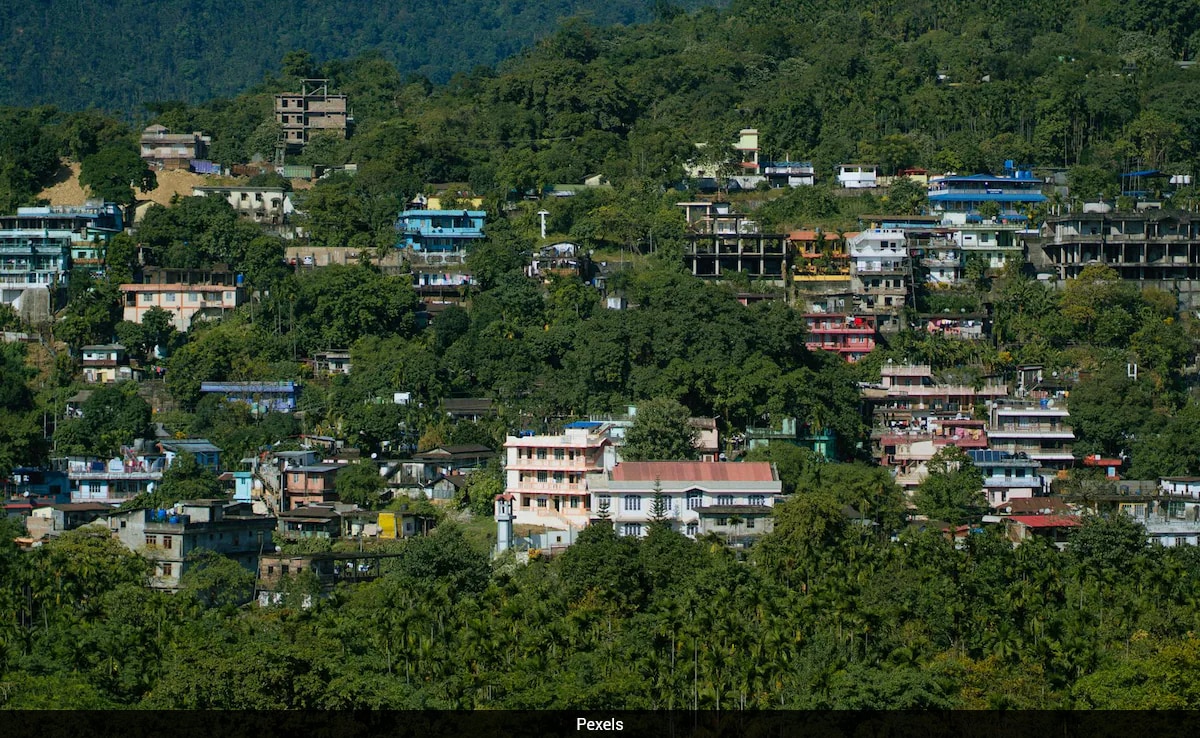
Shillong's natural surroundings contribute to its clean air.
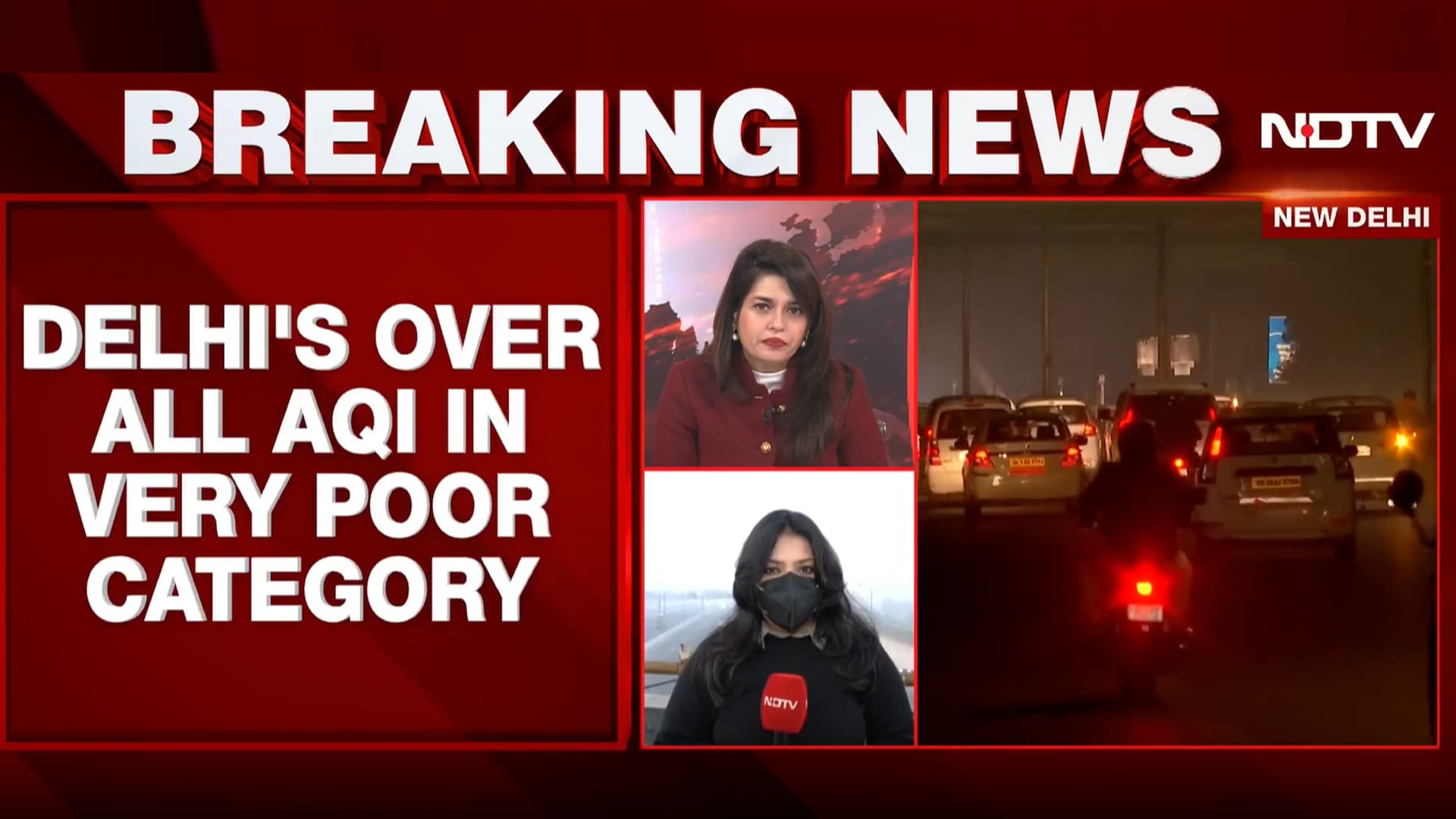
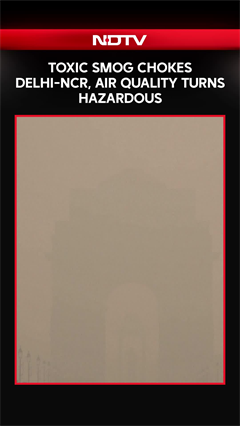
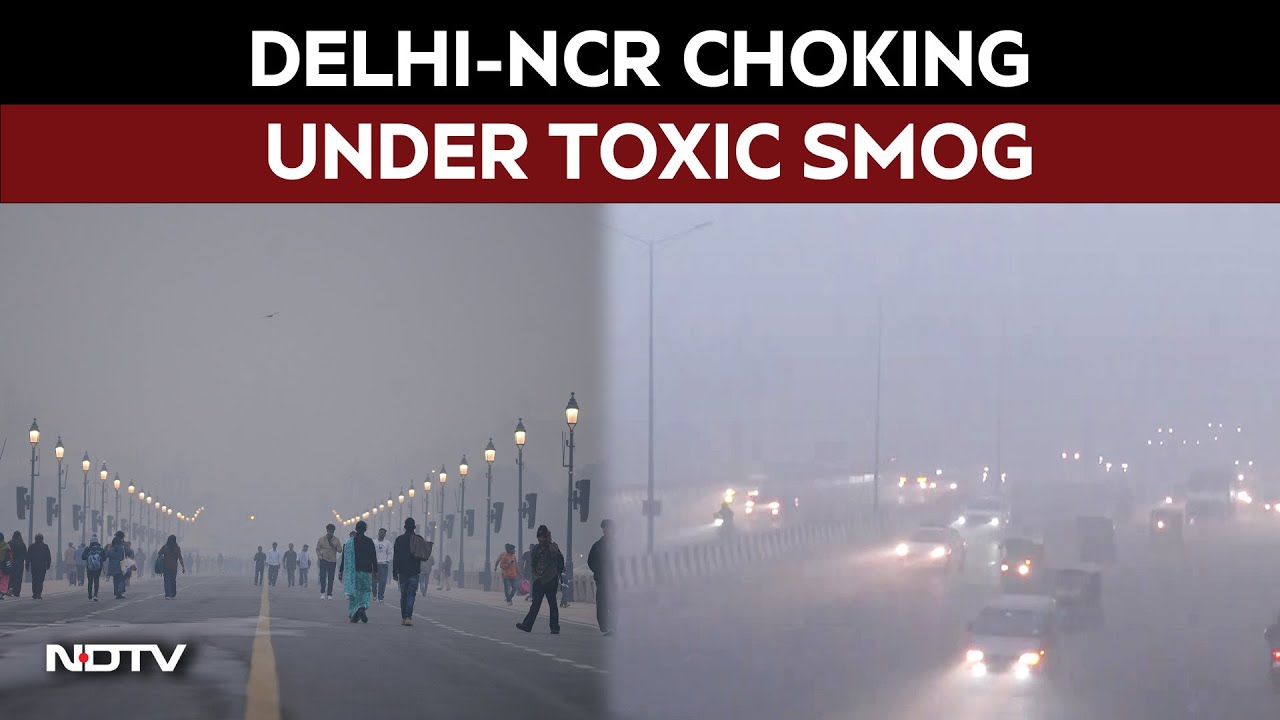
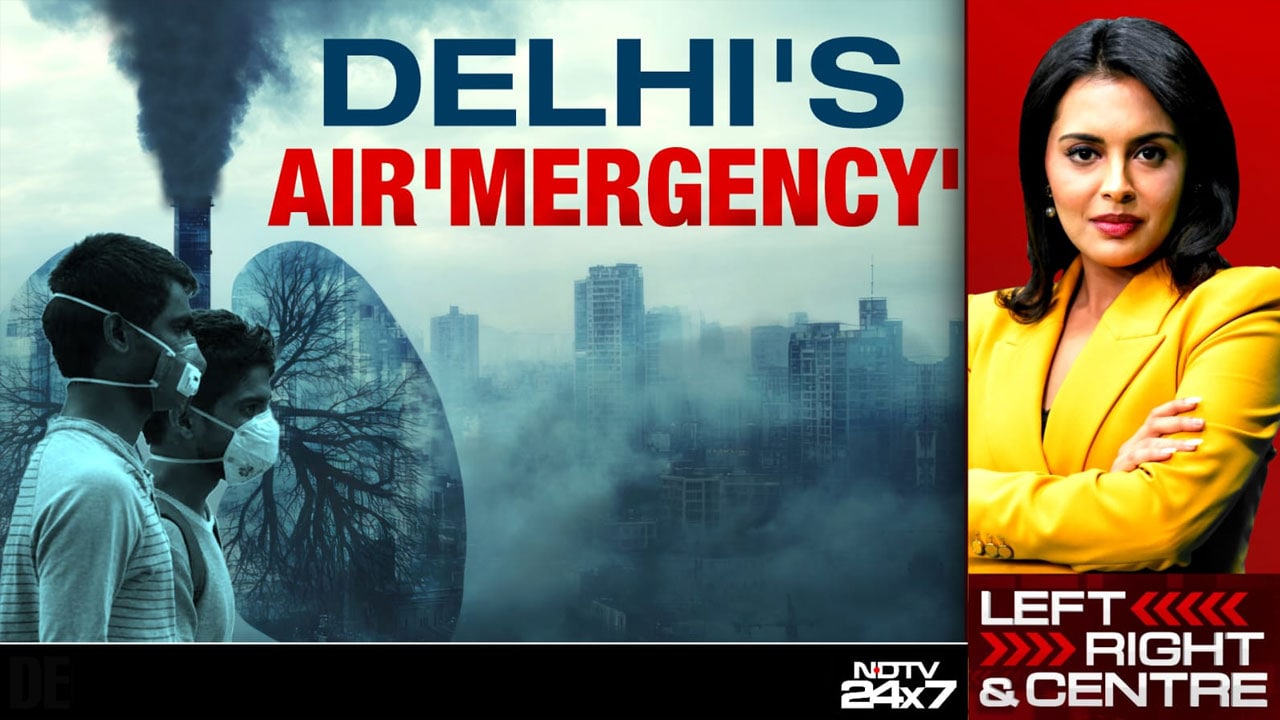
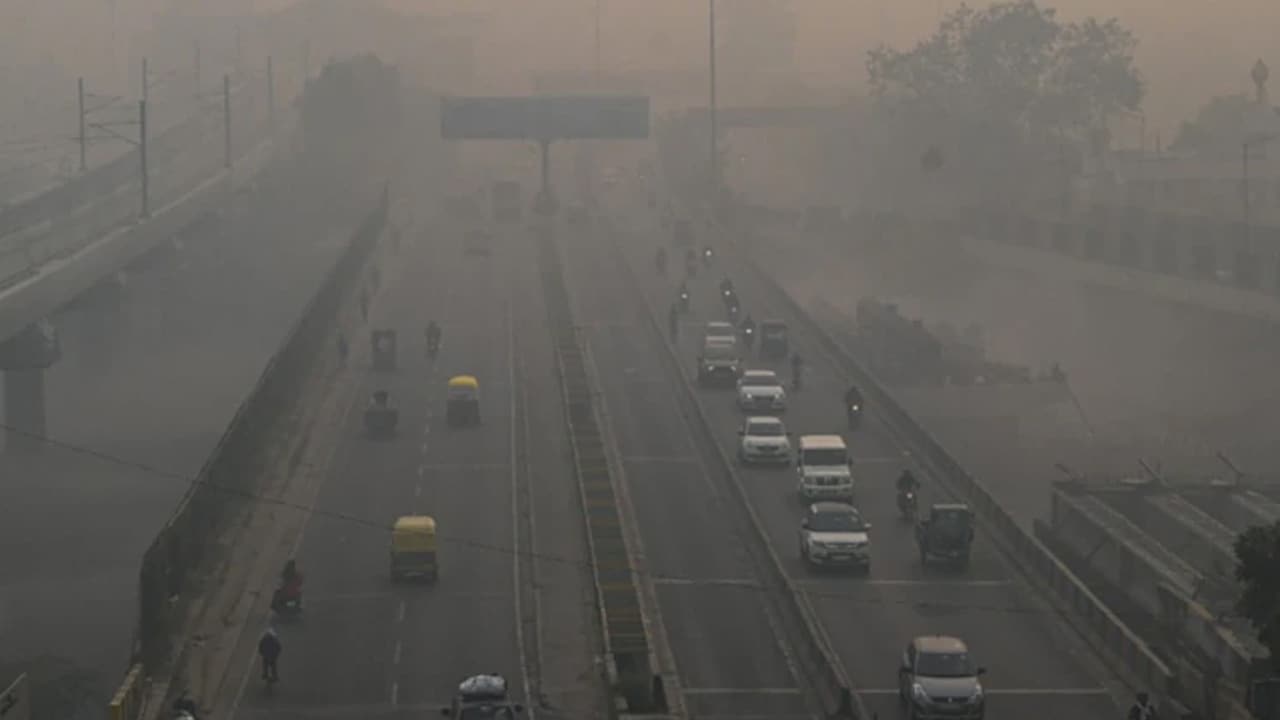
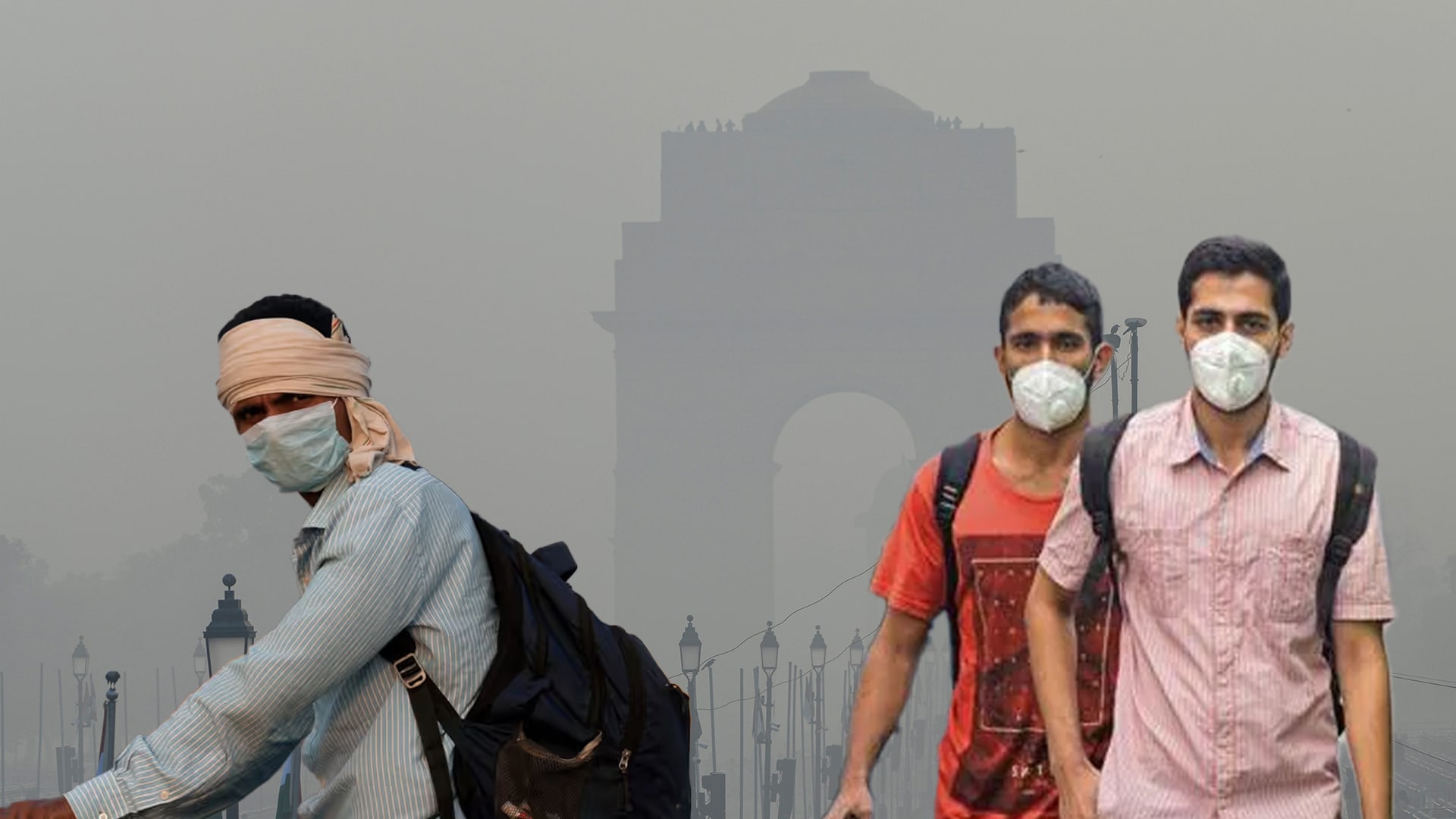
While Delhi-NCR and several other major cities in North India continue to struggle with hazardous levels of air pollution, Shillong in Meghalaya stood out on December 16, with an AQI of just 10 at 9 AM, making it one of the cleanest air cities in India. As North India battles smog, Shillong offers a breath of fresh air, quite literally.
Why Shillong's Air Is So Clean
Known as the "Scotland of the East," Shillong consistently ranks high on India's clean air index, and for good reason. The city benefits from a unique combination of natural and human-made factors:
- High Altitude: Situated in the northeastern hills, Shillong's elevation helps disperse pollutants faster.
- Lush Forest Cover: Dense greenery and rich biodiversity act as natural air purifiers.
- Heavy Rainfall: Frequent showers help wash away dust and pollutants from the atmosphere.
- Minimal Industrial Activity: With limited factories or large-scale construction, emissions remain low.
The Role of Local Initiatives
Apart from natural advantages, civic efforts play a major role in maintaining air quality. According to The Shillong Times, under Mission Clean Shillong 2027, local authorities have intensified sanitation drives and waste management to reduce pollution at the source. The mission is focusing on 100% waste processing, legacy waste removal, and tech-enabled monitoring systems.
This community-driven approach has made environmental cleanliness a priority, distinguishing Shillong from overburdened metros like Delhi.
What Can Polluted Cities Learn?
Shillong is a case study in how urban centres can achieve clean air through:
- Protecting green spaces
- Regulating construction and industrial activity
- Promoting sustainable urban planning
- Encouraging local participation in cleanliness and environmental care
If replicated at scale, these practices could significantly reduce pollution in India's worst-affected cities.
While cities like Delhi choke under toxic smog, Shillong offers a model for sustainable, breathable urban living. Geography may give it a head start, but policy and public participation are what keep its skies clear, a lesson the rest of the country can no longer afford to ignore.
Published: December 16, 2025 13:14 IST