




- Home/
- 60 Million Indians Affected By Weak Bones As Calcium Deficiency Surges
60 Million Indians Affected By Weak Bones As Calcium Deficiency Surges
Written by Team NDTV | Updated: August 28, 2025 10:17 IST
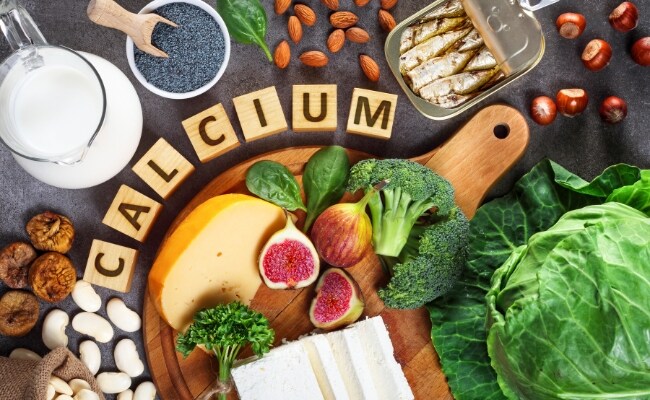
New Delhi: Calcium is essential for building and maintaining strong bones, yet millions of Indians fall short of meeting even the minimum daily requirement. These silent shortfalls are contributing to alarming rates of osteoporosis, bone deformities, fractures, and muscle-related issues across the country. The problem doesn't only lie in diets. Many of us unknowingly consume counterfeit or substandard calcium supplements, which provide little or no benefit and may even pose health risks.
Calcium Deficiency In India

Dietary calcium intake is critically low across all age groups. Most people consume well below 300 mg/day of calcium, which is often less than half the Recommended Daily Allowance (RDA). This is due to limited intake of milk and dairy, especially in lower-income and vegetarian households. Vitamin D deficiency compounds this problem, with estimates indicating 30-50 per cent of the population (particularly urban dwellers) having levels below 20 ng/mL.
Over one-third of Indians have some form of nutritional bone disease like osteomalacia or rickets in children and osteoporosis in adults, which comes from these coexisting nutrient deficiencies.
Prevalence Of Bone-Health Issues
The National Institute of Health estimates that over 60 million Indians have osteoporosis, with roughly 80 per cent of those affected being women. The prevalence among rural postmenopausal women reaches 40-50 per cent, and around 20% in rural men over 55. Globally, around one in three women over the age of 50 will experience an osteoporosisrelated fracture in their lifetime, and one in five men. Research showed that Indians, on average, have much lower bone strength compared to people in Western countries, making them more likely to suffer bone fractures at a younger age.
Signs And Symptoms of Calcium Deficiency

Calcium deficiency often starts with muscle cramps, spasms, and a tingling feeling in the hands, feet, or around the mouth. Many people also feel tired, irritable, or struggle with poor sleep and concentration. Over time, it can lead to brittle nails, dry skin, hair loss, and bone pain.
As the deficiency worsens, bones become weak and fragile, increasing the risk of osteopenia, osteoporosis, and fractures, even in younger adults. Osteopenia is often considered a precursor to osteoporosis and is characterised by bone density that is lower than normal, but not yet low enough to be classified as osteoporosis. In severe cases, calcium deficiency may trigger memory issues, depression, seizures, or irregular heartbeats. In children, signs include delayed growth, tooth problems, and rickets, a condition that causes soft, deformed bones. Chronic calcium deficiency leads to osteopenia or osteoporosis, increasing the risk of fractures.
Nutritional Interventions
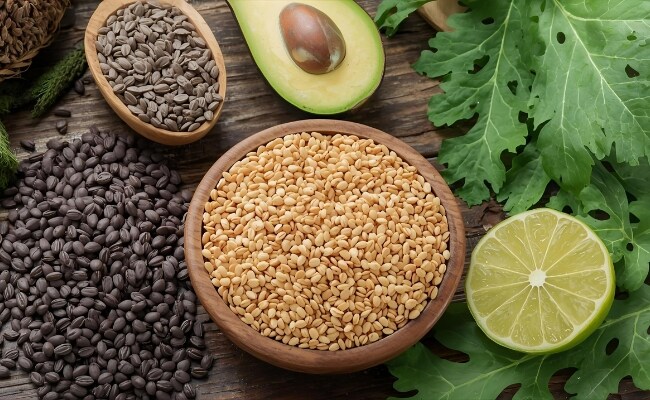
Foods rich in calcium and bone-supportive nutrients are essential. Traditional options like ragi (finger millet), sesame seeds, moringa leaves, amaranth (rajgira), and kulthi dal provide bioavailable calcium, magnesium, Vitamin K2, and collagen-supporting nutrients like Vitamin C. Calcium must work alongside Vitamin D, magnesium, Vitamin K2, and collagen supporting nutrients, and Phosphorus, to build healthy bones. Phosphorus is a crucial mineral for bone health, as bones store about 85% of the body's phosphorus.
Counterfeit And Substandard Supplements

Counterfeit and/or substandard supplements and medicines remain a serious problem. Consumer reports show that up to 25-70 per cent of supplements in India may be fake, mislabeled, or adulterated, especially from non-pharma brands sold via unauthorised channels. One example involved a magnesium supplement found to contain 5,000 times higher levels of arsenic than a reputable US brand.
A tip is to always purchase from official pharmacy brands or manufacturer websites, and to never rely on unverified sellers or markets like street vendors or generic e-commerce listings. It is also helpful to examine the product packaging for anticounterfeit features. Many brands include holograms, QR codes, or unique serial numbers that you can use to verify the product's authenticity on their official websites. This extra step can help you avoid counterfeit goods and ensure you're getting a safe and effective product.
All figures and statements above are based on recent studies, national surveys, and regulatory reports. Sources include PMC (a database by the NIH), Reuters, and official health authorities.
Published: August 27, 2025 17:15 IST
also read
Solar Is The Best Economic Investment, Says Ecologist Who Has Paid Zero Power Bill For Last Three Years
Written by Aastha Ahuja, Edited by Sonia BhaskarMonthly Power Bill Of Just Rs 130, Here's How A Couple In Kochi Did It
Written by Aastha Ahuja, Edited by Sonia BhaskarHimachal Pradesh's The Kalgidhar Society Saves Rs. 3.4 Crore Per Annum By Harnessing The Power Of Solar
Written by Aastha Ahuja, Edited by Sonia Bhaskar



NDTV in partnership with Luminous has launched an awareness campaign ‘Be A Bijli Donor’ to promote the idea of ‘save power for more power’. The idea is to conserve energy today in order to get more power tomorrow.
We inherently know that saving energy results in low energy bills, but we also need to understand that a unit of energy saved today makes it available for people still living in the dark or facing regular power cuts.
Saving power or conserving energy is about knowing the sources of energy, and areas of wastage and thereby eliminating these through technology and lifestyle changes. For instance, a 100 W (Watt) incandescent (ICL) bulb can be replaced with a 9 W LED bulb offering similar performance in terms of light output, but at far lower consumption of energy.
While a 100 W ICL bulb, used for four hours a day, consumes 146 units of energy per year, a 9 W LED bulb requires only 13.5 units per year. Clearly, switching to LED is a smart choice as it provides the same output while consuming 90 per cent less energy.
The focus of the campaign is to instill the idea of ‘save power for more power’ and in order to do so, the initiative will create awareness about energy efficient products and services, smart ways to reduce power consumption, alternate sources of energy like solar energy and the need to conserve energy. The idea is to address the rising need for energy conservation in India.
As part of the campaign, we will highlight the stories of individuals and organisations who are championing the cause of energy conservation by switching to renewable sources of energy, adopting innovations to reduce energy consumption while enjoying the same output.
The initiative will provide a platform for all stakeholders to share their ideas and work towards the common goal of, ‘Save power for more power’.