




- Home/
- #BeCalciumStrong: A Movement For Stronger Bones
#BeCalciumStrong: A Movement For Stronger Bones
Written by Team NDTV | Updated: August 27, 2025 17:49 IST
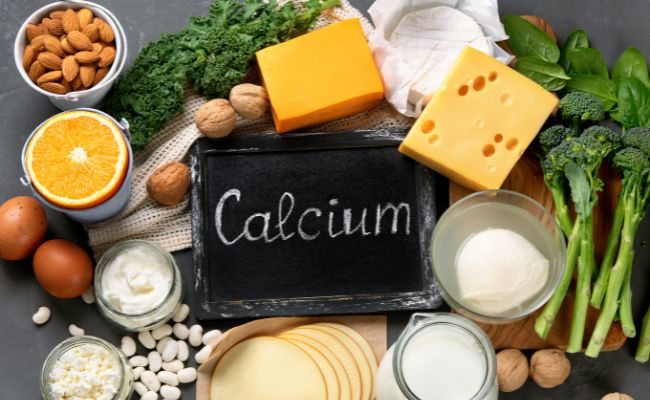
New Delhi: India is quietly facing a major public health issue: calcium deficiency. Though often overshadowed by more visible concerns, inadequate calcium intake is weakening bones across the population. Research shows that osteoporosis, typically seen in the elderly, occurs 10 to 20 years earlier in Indian populations compared to those in the West. An estimated one in four Indian adults suffers from osteoporosis, while nearly half show signs of low bone density. Women, particularly post-menopausal, are at a higher risk, but the deficiency affects all age groups, from kids to the elderly.

Warning Signs Of Calcium Deficiency
The early symptoms of calcium deficiency are subtle and often ignored. Common signs include:
- Muscle cramps and spasms.
- Numbness or tingling in the extremities.
- Weak or brittle nails.
- Persistent fatigue or sluggishness.
Calcium Gap In Indian Diets
Despite its importance, the average daily calcium intake in India is only around 300 mg, significantly below the recommended dietary allowance (RDA) of 1,000 mg for most adults. This gap is largely due to changing eating habits, a shift away from traditional diets, and lifestyle factors that reduce calcium absorption.
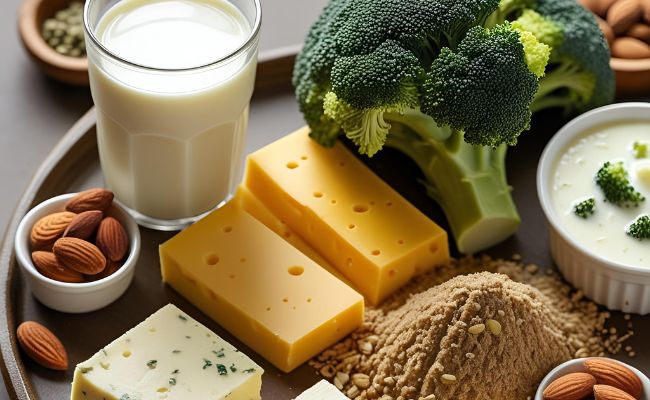
To illustrate, here is how much calcium common foods typically offer:
- 200 ml milk: 250 mg.
- 30 g cheddar cheese: 200 mg.
- 100 g ragi: 344 mg.
- 80 g paneer: 100 mg.
- ¼ cup almonds: 100 mg.
- 1 serving broccoli: 100 mg.
Role Of Calcium In Our Body
While most people associate calcium with bone health, its role extends far beyond the skeleton. About 99% of the calcium in the body is stored in bones and teeth, where it supports structure and strength. But the remaining 1% is just as essential. Calcium is crucial for:
- Muscle contraction, including the heart muscle.
- Nerve signal transmission enables communication between the brain and body.
- Blood clotting prevents excessive bleeding during injury.
Because the body cannot produce calcium on its own, regular intake through diet or supplements is necessary to maintain healthy levels.
The #BeCalciumStrong Campaign
Recognising the widespread issue of calcium deficiency, various initiatives have emerged to address the gap. One of these is the #BeCalciumStrong campaign, which aims to educate both the medical community and the general public.
This initiative, backed by Shelcal500, focuses on creating long-term, sustainable awareness about calcium needs, early signs of deficiency, and available solutions.
Key efforts include:
- Educational programmes for healthcare professionals (HCPs) to improve diagnosis and awareness.
- Bone Mineral Density (BMD) screening camps revealed that 7 out of 10 people tested had signs of bone weakness.
- An online Calcium Calculator tool to help individuals assess their daily intake: https://shelcal.com/calculator
- In-clinic materials to encourage conversations between patients and healthcare providers about long-term bone health.
Shelcal500: Strengthening India's Bone Health
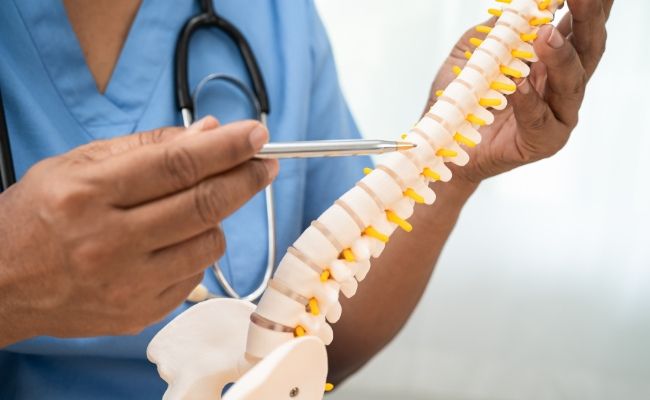
One of the companies leading the fight against calcium deficiency in India is Shelcal500, a wellknown calcium supplement brand developed by Elder Pharmaceuticals (now part of Torrent Pharma).
To make calcium easier to take, especially for people with different preferences and age groups, Shelcal500 now offers a variety of formats, including sugar-free gummies for adults and chewable gummies for kids. These new options help people take their daily calcium without discomfort or hassle.
Shelcal500 is made under WHO-GMP certified conditions and goes through over 260 quality checks, ensuring they are safe, reliable, and effective.
Published: July 25, 2025 12:06 IST
also read
Solar Is The Best Economic Investment, Says Ecologist Who Has Paid Zero Power Bill For Last Three Years
Written by Aastha Ahuja, Edited by Sonia BhaskarMonthly Power Bill Of Just Rs 130, Here's How A Couple In Kochi Did It
Written by Aastha Ahuja, Edited by Sonia BhaskarHimachal Pradesh's The Kalgidhar Society Saves Rs. 3.4 Crore Per Annum By Harnessing The Power Of Solar
Written by Aastha Ahuja, Edited by Sonia Bhaskar



NDTV in partnership with Luminous has launched an awareness campaign ‘Be A Bijli Donor’ to promote the idea of ‘save power for more power’. The idea is to conserve energy today in order to get more power tomorrow.
We inherently know that saving energy results in low energy bills, but we also need to understand that a unit of energy saved today makes it available for people still living in the dark or facing regular power cuts.
Saving power or conserving energy is about knowing the sources of energy, and areas of wastage and thereby eliminating these through technology and lifestyle changes. For instance, a 100 W (Watt) incandescent (ICL) bulb can be replaced with a 9 W LED bulb offering similar performance in terms of light output, but at far lower consumption of energy.
While a 100 W ICL bulb, used for four hours a day, consumes 146 units of energy per year, a 9 W LED bulb requires only 13.5 units per year. Clearly, switching to LED is a smart choice as it provides the same output while consuming 90 per cent less energy.
The focus of the campaign is to instill the idea of ‘save power for more power’ and in order to do so, the initiative will create awareness about energy efficient products and services, smart ways to reduce power consumption, alternate sources of energy like solar energy and the need to conserve energy. The idea is to address the rising need for energy conservation in India.
As part of the campaign, we will highlight the stories of individuals and organisations who are championing the cause of energy conservation by switching to renewable sources of energy, adopting innovations to reduce energy consumption while enjoying the same output.
The initiative will provide a platform for all stakeholders to share their ideas and work towards the common goal of, ‘Save power for more power’.