




- Home/
- Threads Of Change: Mothers And Daughters Rise Together Through USHA Silai Schools
Threads Of Change: Mothers And Daughters Rise Together Through USHA Silai Schools
Written by Team NDTV | Updated: December 11, 2025 17:16 IST
New Delhi: 
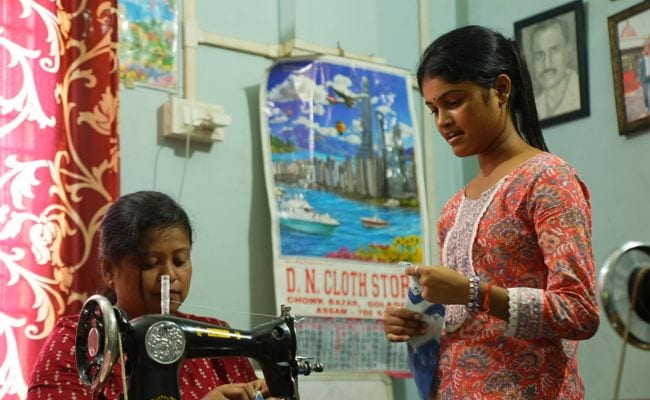
Across India, thousands of women are stitching new futures for themselves and their families through the USHA Silai School Program. What began as a sewing initiative has grown into a powerful movement of economic independence, confidence, and intergenerational change. To meet the rising demand for trainers, USHA also began training its own Silai School entrepreneurs as Master Trainers, creating a cycle where empowered women go on to empower others.
Kanta's Story: From Abuse To Independence
In a small village in the Samba district of Jammu and Kashmir, Kanta lived through domestic violence, isolation, and financial hardship. In 2020, after leaving her marriage and moving to her brother's home, she joined the Silai School program.
She trained, began teaching village women, took tailoring orders, and even worked in border areas as a local resource person. Today, she earns Rs 10,000- Rs 20,000 per month and has become a role model for her children.
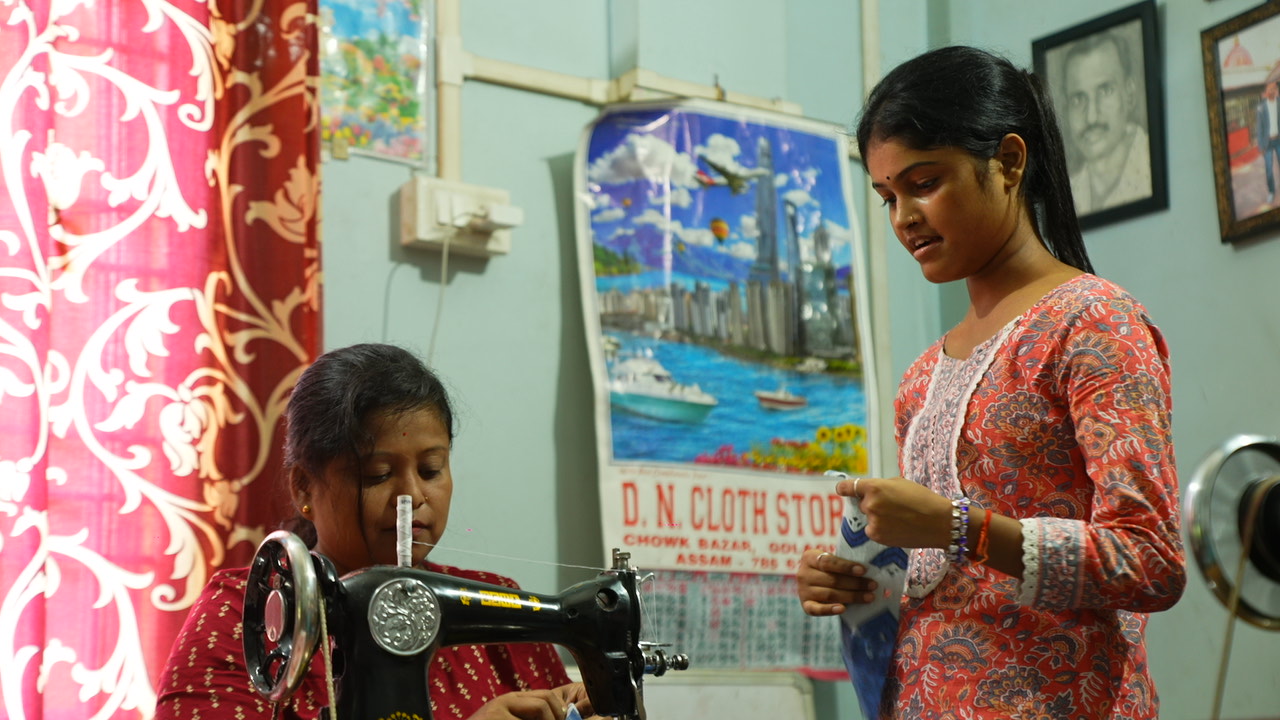
Her daughter, Tanya, now dreams alongside her.
Shayista Ayoub, Program Manager, Usha International Limited, J&K, told NDTV,
Every woman has different struggles she is facing. Here is how Tanya has supported her mother. So they are setting the example that by supporting each other they can reach the heights they have dreamed of.
A Ripple Effect On Families
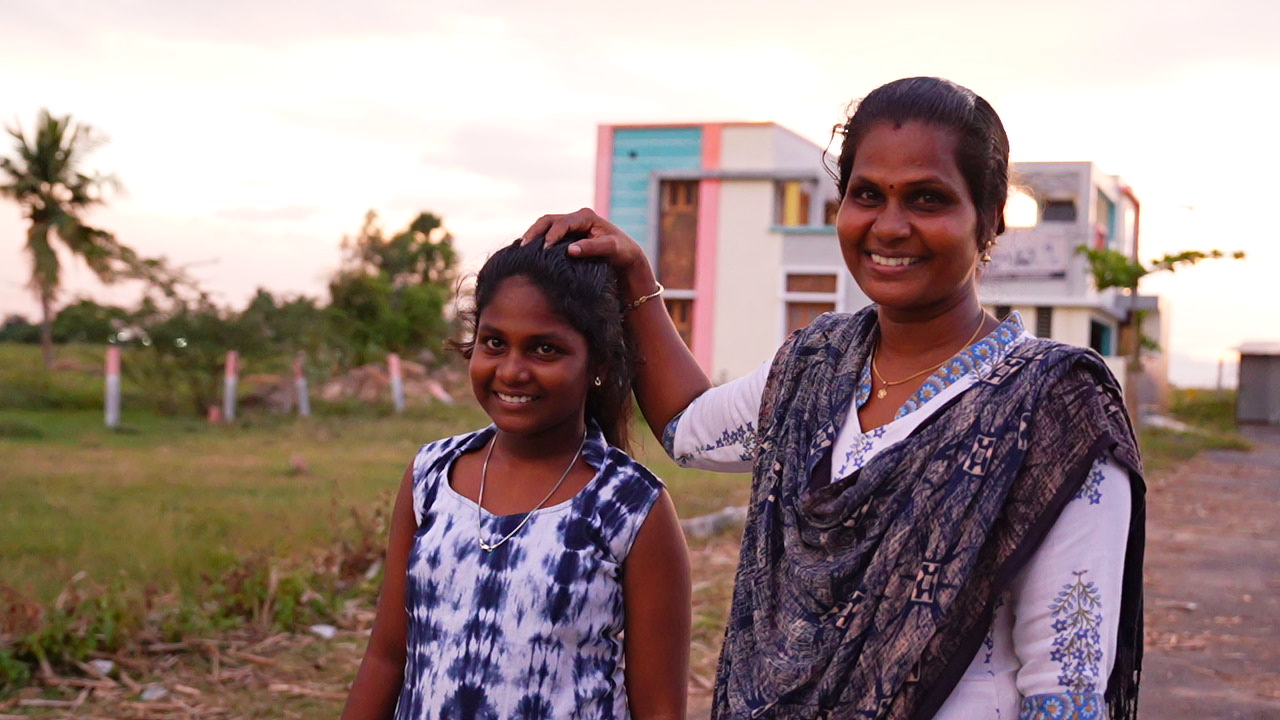
Mary Rupa Tete, HOD, Usha Social Services, told NDTV,
When women start earning, they start contributing to a lot of other things like more nutritious food for the family, better quality education for the children, and access to better health facilities to name a few.
She added,
When children start observing their mothers, it unleashes their own creativity… broadens their own aspirations.
A Delhi University impact study found that many Silai School children are now aiming to become entrepreneurs, not just employees.
Assam: Lakhi Debnath And Daughter Priya
Over 2,000 km away in Bokakhat, Assam, Lakhi Debnath transformed her life after joining the Silai School. Earlier dependent on her husband's modest income, she began stitching for neighbours and soon built a warm, lively learning space at home.
Her daughter Priya quietly learned beside her. What began as play grew into passion.
Today, Priya works at a renowned fashion house in Delhi, carrying forward her mother's legacy.
Tamil Nadu: Fabiola And Ishanika Working As A Team
In Poor Palampattu village, Villupuram district, Fabiola has been teaching sewing for over ten years and has trained more than 100 women. She earns Rs 20,000 - Rs 25,000 per month, helping her family buy a new house, gold, and even a lorry for her husband's business.
Her daughter Ishanika, now 19, learned by watching her mother. She picked up new techniques online, including Ahri embroidery, pearl work, and jewellery making. With her earnings, she funded her education, bought gold, a two-wheeler, and appliances, all before finishing her first year of college.
She is now pursuing a B.Sc in Fashion Technology, working alongside her mother as an equal partner.
Across India, the USHA Silai School Program is creating powerful mother-daughter stories.
Published: December 01, 2025 14:27 IST
also read
Solar Is The Best Economic Investment, Says Ecologist Who Has Paid Zero Power Bill For Last Three Years
Written by Aastha Ahuja, Edited by Sonia BhaskarMonthly Power Bill Of Just Rs 130, Here's How A Couple In Kochi Did It
Written by Aastha Ahuja, Edited by Sonia BhaskarHimachal Pradesh's The Kalgidhar Society Saves Rs. 3.4 Crore Per Annum By Harnessing The Power Of Solar
Written by Aastha Ahuja, Edited by Sonia Bhaskar



NDTV in partnership with Luminous has launched an awareness campaign ‘Be A Bijli Donor’ to promote the idea of ‘save power for more power’. The idea is to conserve energy today in order to get more power tomorrow.
We inherently know that saving energy results in low energy bills, but we also need to understand that a unit of energy saved today makes it available for people still living in the dark or facing regular power cuts.
Saving power or conserving energy is about knowing the sources of energy, and areas of wastage and thereby eliminating these through technology and lifestyle changes. For instance, a 100 W (Watt) incandescent (ICL) bulb can be replaced with a 9 W LED bulb offering similar performance in terms of light output, but at far lower consumption of energy.
While a 100 W ICL bulb, used for four hours a day, consumes 146 units of energy per year, a 9 W LED bulb requires only 13.5 units per year. Clearly, switching to LED is a smart choice as it provides the same output while consuming 90 per cent less energy.
The focus of the campaign is to instill the idea of ‘save power for more power’ and in order to do so, the initiative will create awareness about energy efficient products and services, smart ways to reduce power consumption, alternate sources of energy like solar energy and the need to conserve energy. The idea is to address the rising need for energy conservation in India.
As part of the campaign, we will highlight the stories of individuals and organisations who are championing the cause of energy conservation by switching to renewable sources of energy, adopting innovations to reduce energy consumption while enjoying the same output.
The initiative will provide a platform for all stakeholders to share their ideas and work towards the common goal of, ‘Save power for more power’.