- Home/
- Inside Bandhu Purulia's Mission To Support Neurodivergent Children In Rural Bengal
Inside Bandhu Purulia's Mission To Support Neurodivergent Children In Rural Bengal
Team NDTV | Updated: February 02, 2026 14:23 IST
New Delhi:
In many rural areas of India, children with developmental and intellectual disabilities remain undiagnosed and unsupported for years. Limited awareness, social stigma, and lack of services leave families struggling on their own. In West Bengal's Purulia district, a local initiative is beginning to change this reality through early identification and sustained support. Bandhu Purulia, a grassroots organisation, is working to ensure that neurodivergent children are identified early, supported consistently, and given a fair chance to learn, grow and belong. At the centre of this work is Ek Prayas, an early intervention and learning centre that has become a lifeline for families across nearby villages.
Annapurna Mukherjee, The Force Behind Bandhu Purulia
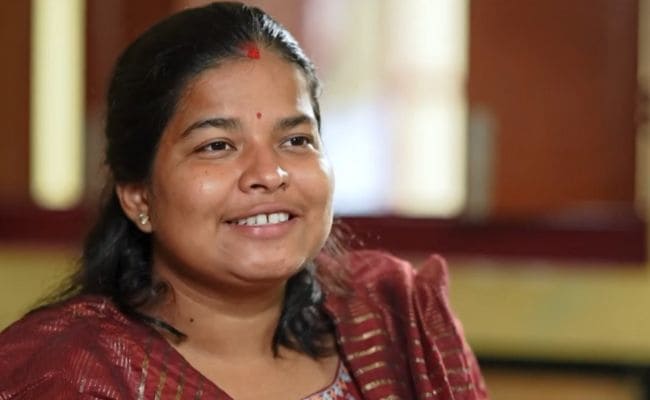
Bandhu Purulia was founded in 2017 by Annapurna Mukherjee, Director of the organisation. Her journey into this space is deeply personal. Mukherjee grew up watching her family struggle to find basic services for her brother, who was born with cerebral palsy. They were living in a small village, which meant limited access to therapy, special education, or even reliable information. The gaps were many, and the support systems were few.
With a background in Geography and a Master's degree in Social Work from IGNOU, Annapurna Mukherjee chose to channel her lived experience into action. She set out to build a space where children with autism, intellectual disabilities, and cerebral palsy could receive the care and education her own family once searched for. Bandhu Purulia was born from that resolve.
What Ek Prayas Does On The Ground
Ek Prayas is an early intervention learning centre run by Bandhu Purulia in Purulia district. It supports children with autism and other cognitive and developmental disabilities, most of them from nearby villages. Today, the centre works with 73 neurodivergent children, focusing mainly on those up to the age of 10. The goal is early support, when it matters most. Children who come to the centre undergo detailed assessments. Based on their needs, customised learning and rehabilitation plans are created. The focus goes beyond academics. Daily living skills, communication, behaviour support and basic independence are all part of the learning process. For many families, this is the first time their child's needs have been understood and addressed.
Working With The Community, Not Around It
One of Bandhu Purulia's strongest pillars is community involvement. The organisation works closely with ASHA workers, Anganwadi workers, ICDS centres, and local health staff. These are often the first people to notice when a child is developing differently. Bandhu Purulia trains them to identify early signs of developmental delays and guide families toward support. Once children are identified, parents are counselled and involved at every step. Fear is addressed with information. Stigma is challenged through conversation. Families are shown that their child can learn and progress. Over time, this approach has led to visible change. Parents who once kept children at home are now willing to send them to school. Many now understand that disability does not mean inability.
Preparing Children For A Wider World
Another key focus of Bandhu Purulia is preparing children for possible integration into mainstream schools. Not every child will follow the same path, and the organisation recognises that. But for those who can, early intervention builds the foundation needed to adapt to regular classrooms later. The centre also works on advocacy within villages, addressing long-held beliefs and social barriers around disability. Slowly, acceptance is growing.
Impact Beyond The Classroom
Bandhu Purulia's work extends beyond its centre walls. So far, the organisation has reached 2,500 households across 45 villages, supported 65 children directly, and engaged with 97 ICDS centres to strengthen early childhood and disability support. The organisation has also responded to practical challenges faced by families. When parents struggled to attend sessions because they would lose daily wages, Bandhu Purulia introduced livelihood support initiatives. This allowed parents to work while their children received care, ensuring consistent attendance and stability.
A Space For Dignity And Growth
At its core, Bandhu Purulia is about dignity. It is about meeting children where they are, respecting their pace, and giving families the tools to support them. In a region where services are scarce and awareness is limited, Bandhu Purulia is proving that early intervention, when rooted in community and compassion, can change lives. One child, one family, and one village at a time.
Published: February 02, 2026 14:06 IST
also read
Important To Implement Environmental Rules To Sustain Gains Of Lockdown: Union Environment Minister Prakash Javadekar
PTIMumbai Based Green Champion Is Striving To Make The City The Cycling Capital By 2030
Reported by Ambika Singh KahmaDr Naresh Trehan On The Learnings From The Coronavirus Pandemic And How Technology Can Help Save The Environment
Written by Aastha Ahuja, Edited by Sonia Bhaskar
 Written by Sneha Mordani | Wednesday November 25, 2026
One person dies every 2nd day in Delhi due to Lung Cancer reveals data from an RTI query. Top Delhi Chest Surgeon says the number of a gross underestimate.
- Written by Debosmita Ghosh | Wednesday November 25, 2026
6,581 lung cancer cases were reported at AIIMS, Ram Manohar Lohia (RML) Hospital and the Delhi State Cancer Institute (DSCI) between January 1, 2020, and July 31, 2026. Safdarjung Hospital did not provide its total number of cases but reported 393 lung cancer deaths.
- Written by Shreya Goswami | Wednesday November 25, 2026
Air pollution may increase the risk of Alzheimer's disease and dementia by disrupting the brain's immune cells, a new study finds. With Indian cities facing high PM2.5 levels, researchers' findings raise fresh concerns about the long-term neurological effects of polluted air.
- Written by Amit Chaturvedi | Wednesday November 25, 2026
The sources of pollution identified by the study include vehicular traffic, construction, and commercial sources. It also said that stubble burning contributes to seasonal deterioration in the air quality in Delhi and areas around it.
- Wednesday November 25, 2026 , New Delhi
Air quality in Delhi remained in the poor category, with four monitoring stations recording 'very poor' readings.

................................ Advertisement ................................

Opinion | Delhi Has Every Pollution Control Policy - Except One That Works
Monday November 09, 2026Every November, Delhi performs the same ritual. We check the AQI before stepping outdoors, children are kept indoors, masks reappear, schools consider shutting, construction is restricted, and emergency meetings are convened. Politicians blame the weather, neighbouring states, farmers, or firecrackers. And then, as the season changes, the urgency d...
दीवाली की चौखट पर दिल्ली में सांसों का संकट: 30 साल की स्टडी ने हरियाली को लेकर क्या बताया?
Thursday November 05, 2026अध्ययन में हरियाली की मात्रा के साथ उसके फैलाव और आपसी जुड़ाव को भी महत्वपूर्ण पाया गया. जिन इलाकों में हरियाली ज्यादा बिखरी हुई थी, वहां सतही तापमान अधिक रहा. इसके विपरीत, बड़े और आपस में जुड़े हरित क्षेत्रों में तापमान कम पाया गया.
Opinion: Why Delhi's Smog Can't Be Fixed From SpaceDavid Fickling, Bloomberg
Monday October 19, 2026The clearest sign that Delhi is on a path to cleaner air would be a decline in the amount of paddy grown nearby, and therefore the acreage liable to be burned each year.
Don't Normalise Air Purifiers As Delhi Chokes | The Reason Why
Thursday December 11, 2025More than 90 cities in the world's top 100 polluting list are in India. With every passing year, the AQI is rising, reaching 'hazardous' levels.
Blog | Well Done, Delhi. You've Turned Lung Sacrifice Into A Badge Of HonourSaikat Kumar Bose
Monday November 10, 2025Till some years back, Delhiites would ask angry questions to those in power about the capitals annual tryst with toxic air. This has changed. Those in the driving seat dont see the need to answer now.