- Home/
- How Kheyti Is Protecting Crops From Pests And Extreme Weather With Affordable Greenhouses
How Kheyti Is Protecting Crops From Pests And Extreme Weather With Affordable Greenhouses
Team NDTV | Updated: February 02, 2026 16:46 IST
New Delhi:
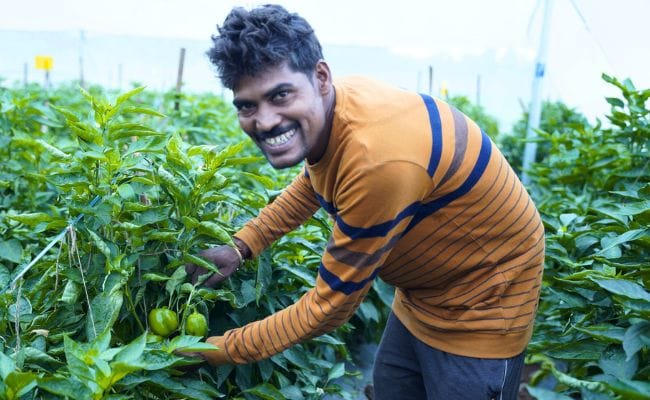
Kheyti, an Indian startup, has developed a simple solution that is already having a considerable impact. Kheyti creates low-cost farming solutions that help small farmers grow more. It was set up to provide India's small-hold farmers with low-cost greenhouses to protect their crops.
What Kheyti Does
At the centre of Kheyti's work is its Greenhouse-in-a-Box, built specifically for small-hold farmers and the crops they grow. The solution offers shelter from unpredictable elements and destructive pests, helping farmers protect their harvests and grow more consistently. Greenhouse-in-a-Box enables a farmer's transition from climate extremes to extreme prosperity, unlocking long-term profitability and security. Smallholder farmers get to tap into the power of the smart farming revolution. Kheyti is present in eight states: Telangana, Andhra Pradesh, Uttar Pradesh, Bihar, Jharkhand, Odisha, Rajasthan and Madhya Pradesh. It supports farmers in growing over 20 types of vegetables, herbs, fruits and flowers. It has already reached more than 7,000 farmers.
How Kheyti Works
Kheyti pairs its greenhouse product with practical support on the ground. Alongside providing Greenhouse-in-a-Box, Kheyti also trains and supports farmers to ensure their greenhouse is as effective as possible. By 2027, Kheyti wants 50,000 farmers to have a Greenhouse-in-a-Box. Kheyti's approach has gained global recognition. It is the winner of the Earthshot Prize, founded by Prince William, in 2022. The awards celebrate the most innovative solutions to the world's environmental challenges and are named in honour of former US President John F Kennedy's 1962 Moonshot plan, which aimed to place a man upon the moon within a decade. Kheyti is the 2022 Protect and Restore Nature winner. According to The Earthshot Prize's official website, Kheyti's greenhouse is 90% cheaper than a standard greenhouse.
Impact Of Kheyti
According to The Earthshot Prize's official website, the impact on farms is significant. Plants in the greenhouse require 98% less water than those outdoors and yields are seven-times higher. The same source notes that Kheyti is more than doubling farmers' incomes, helping them invest more in their farms and their children's education. With reduced water use and fewer pesticides, the model also supports a more sustainable way of farming, while protecting crops from damaging pests and unpredictable weather.
Co-Founders Of Kheyti
Kheyti is led by three co-founders with experience across social enterprise, sustainable agriculture and impact-driven programmes.
Kaushik Kappagantulu: Co-Founder and Chief Executive Officer
Kaushik Kappagantulu is a seasoned leader with 15 years of experience in social enterprise. Before launching Kheyti, Kappagantulu spent five years as a leadership team member of B-ABLE, a social enterprise that connects school dropouts to mainstream careers through high quality training and placement services. He was the first employee at B-ABLE and helped the company scale from its first training centre to 200 centres across 14 states training more than 50,000 school dropouts yearly. A graduate of IIT Kharagpur and Columbia Business School, Kappagantulu's dedication to social impact has earned him prestigious recognitions, including the Elevate Prize and the EarthShot Prize. On Kheyti's journey, Kappagantulu told BBC, “I visited thousands of villages across India, speaking to farmers. They talked about how it wasn't their hard work that decided whether they succeeded or failed. It was the heat, rain or pests, and things were getting worse every year. Our mission is to increase incomes for small hold farmers, through low-cost greenhouses. Our greenhouses are made of a steel structure and plastic covering materials, and they're designed to last for about 15 years. We're looking into how we recycle or upcycle them after that too.”
Ayush Sharma: Co-Founder and Chief Operating Officer
Ayush Sharma is a social entrepreneur with 13 years of experience in the social enterprise sector. As the former CEO of CosmosGreen, he led efforts to provide a suite of services to over 8,000 farmers, supporting sustainable agriculture. An expert in sustainable farming practices, Sharma also managed farms across 250 acres for seven years. He holds a degree from IFMR and is passionate about creating lasting impact in the agricultural sector through innovation and sustainability.
Saumya Sahay: Co-Founder and Chief Program Officer
Saumya Sahay is a social entrepreneur with 10 years of experience in the field. She is the ex-founder of Yellowleaf, a social enterprise dedicated to helping blue-collar workers access overseas job opportunities. A graduate of St. Stephen's College and Kellogg School of Management, Sahay has been recognised in Forbes 30 Under 30 for her work in social innovation and worker empowerment.
Published: February 02, 2026 16:34 IST
also read
Important To Implement Environmental Rules To Sustain Gains Of Lockdown: Union Environment Minister Prakash Javadekar
PTIMumbai Based Green Champion Is Striving To Make The City The Cycling Capital By 2030
Reported by Ambika Singh KahmaDr Naresh Trehan On The Learnings From The Coronavirus Pandemic And How Technology Can Help Save The Environment
Written by Aastha Ahuja, Edited by Sonia Bhaskar
 Written by Sneha Mordani | Wednesday November 25, 2026
One person dies every 2nd day in Delhi due to Lung Cancer reveals data from an RTI query. Top Delhi Chest Surgeon says the number of a gross underestimate.
- Written by Debosmita Ghosh | Wednesday November 25, 2026
6,581 lung cancer cases were reported at AIIMS, Ram Manohar Lohia (RML) Hospital and the Delhi State Cancer Institute (DSCI) between January 1, 2020, and July 31, 2026. Safdarjung Hospital did not provide its total number of cases but reported 393 lung cancer deaths.
- Written by Shreya Goswami | Wednesday November 25, 2026
Air pollution may increase the risk of Alzheimer's disease and dementia by disrupting the brain's immune cells, a new study finds. With Indian cities facing high PM2.5 levels, researchers' findings raise fresh concerns about the long-term neurological effects of polluted air.
- Written by Amit Chaturvedi | Wednesday November 25, 2026
The sources of pollution identified by the study include vehicular traffic, construction, and commercial sources. It also said that stubble burning contributes to seasonal deterioration in the air quality in Delhi and areas around it.
- Wednesday November 25, 2026 , New Delhi
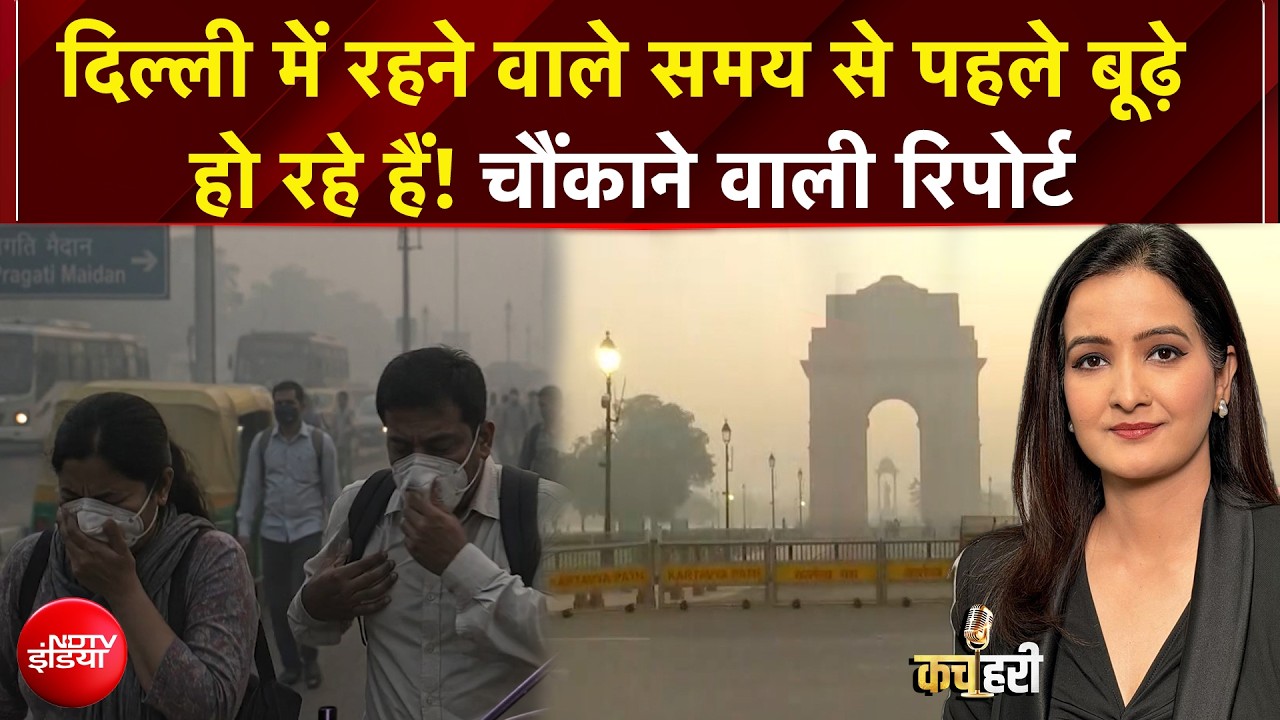
Air quality in Delhi remained in the poor category, with four monitoring stations recording 'very poor' readings.


................................ Advertisement ................................




Opinion | Delhi Has Every Pollution Control Policy - Except One That Works
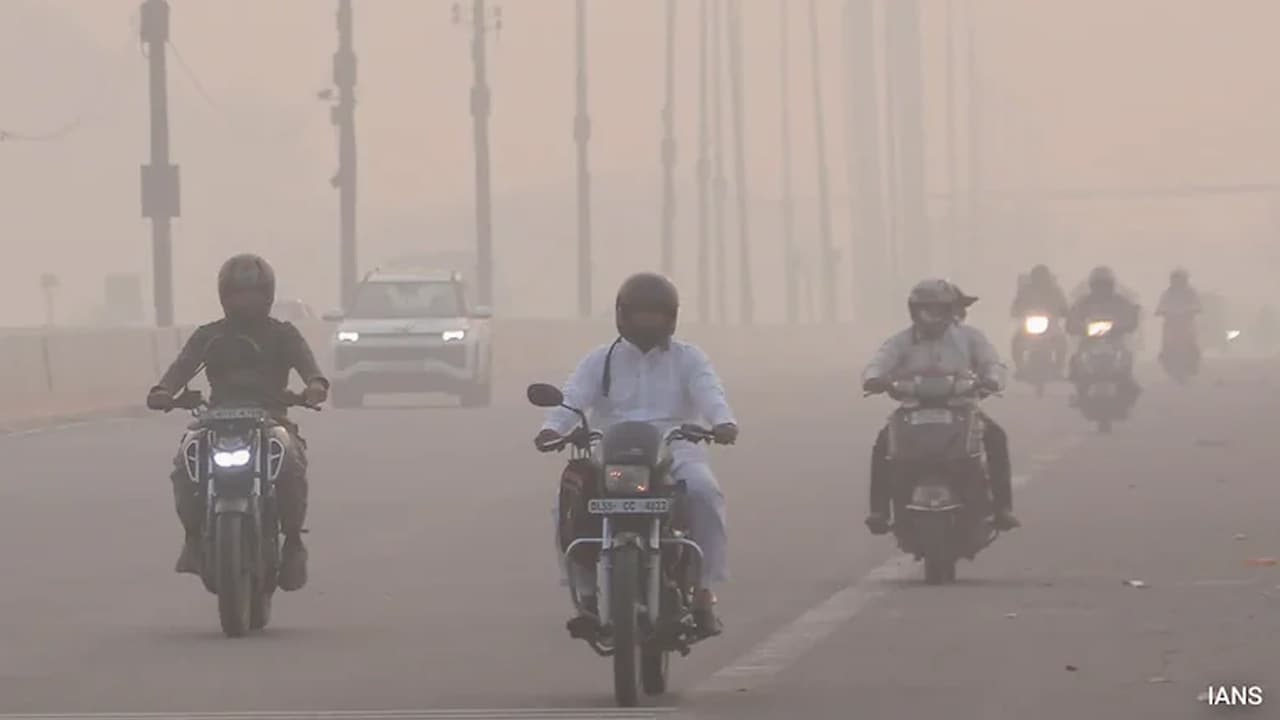
Monday November 09, 2026Every November, Delhi performs the same ritual. We check the AQI before stepping outdoors, children are kept indoors, masks reappear, schools consider shutting, construction is restricted, and emergency meetings are convened. Politicians blame the weather, neighbouring states, farmers, or firecrackers. And then, as the season changes, the urgency d...
दीवाली की चौखट पर दिल्ली में सांसों का संकट: 30 साल की स्टडी ने हरियाली को लेकर क्या बताया?
Thursday November 05, 2026अध्ययन में हरियाली की मात्रा के साथ उसके फैलाव और आपसी जुड़ाव को भी महत्वपूर्ण पाया गया. जिन इलाकों में हरियाली ज्यादा बिखरी हुई थी, वहां सतही तापमान अधिक रहा. इसके विपरीत, बड़े और आपस में जुड़े हरित क्षेत्रों में तापमान कम पाया गया.
Opinion: Why Delhi's Smog Can't Be Fixed From SpaceDavid Fickling, Bloomberg
Monday October 19, 2026The clearest sign that Delhi is on a path to cleaner air would be a decline in the amount of paddy grown nearby, and therefore the acreage liable to be burned each year.
Don't Normalise Air Purifiers As Delhi Chokes | The Reason Why
Thursday December 11, 2025More than 90 cities in the world's top 100 polluting list are in India. With every passing year, the AQI is rising, reaching 'hazardous' levels.
Blog | Well Done, Delhi. You've Turned Lung Sacrifice Into A Badge Of HonourSaikat Kumar Bose
Monday November 10, 2025Till some years back, Delhiites would ask angry questions to those in power about the capitals annual tryst with toxic air. This has changed. Those in the driving seat dont see the need to answer now.