- Home/
- How NavUnnat Biofuels Is Converting Crop Residue Into Ethanol And Power
How NavUnnat Biofuels Is Converting Crop Residue Into Ethanol And Power
| Updated: February 02, 2026 15:43 IST

New Delhi:
In the era of geopolitical tensions and volatile fuel prices, NavUnnat Biofuels is helping India move towards energy independence. Abhijeet Garg, who founded the company, aims to convert farm waste into clean energy, driving forward the nation's growth towards a greener future. The idea behind Navunnat Biofuels was to turn plans for an ethanol producing plant into reality. Designed to support farmers, curb pollution and to empower the country's clean energy sector, the company runs a self-sustaining biofuels plant that is powered by its own waste.
What NavUnnat Biofuels Does
The company produces ethanol from farm waste, using the very materials that are regarded as waste by many farmers. The primary materials for the ethanol are rice and maize that rot unused in the fields. Every day, 150 tons of stubble or parali are put in boilers to not just generate electricity but also create ethanol.
Abhijeet Garg: Founder of NavUnnat Biofuels
NavUnnat Biofuels represents a family-led business in the sustainability and clean energy sector. The company was founded by Abhijeet Garg, who is experienced in corporate governance. He was appointed as an Additional Director on 22 May 2025. Apart from Garg, Vikrant Bishnoi is also an Additional Director. Neeraj Kumar, Pradeep Jain, Anup Jain, Brij Singhal and Mohit Godara are the Board Directors.
How A Speech Became An Inspiration
A speech by Union Minister Nitin Gadkari was the inspiration behind Navunnat. Abhijeet Garg heard Gadkari talk about an energy-independent India and the role ethanol blending could play into it and was intrigued. The idea behind the ethanol blending initiative in India is to reduce oil import bills and make the country a producer of sustainable energy, moving ahead with the government's vision of an Atmanirbhar Bharat.
NavUnnat Biofuels' Journey
The first question before Abhijeet Garg's family was funding since the venture would require a significant amount of initial capital. Managing the company was another obstacle. Neeraj Garg, Abhijeet's father and the Director of the company, wasn't fully aware about ethanol's benefits, but thought they could venture into the sector. Along with another relative, Pradeep Jain, the father-son duo worked hard to establish the first plant. Together, they created the first-of-its-kind biofuels plant in Hisar, Haryana. The entire ecosystem of the plant is built upon the idea of sustainability. The electricity for the plant comes from agro-waste. The idea behind using agro-waste is two-fold. Using stubble reduces pollution by the farmers and helps them lower emissions from agriculture. Not just that, using ethanol in vehicles reduces emissions, creating a less polluted environment.
Published: February 02, 2026 15:28 IST
also read
Important To Implement Environmental Rules To Sustain Gains Of Lockdown: Union Environment Minister Prakash Javadekar
PTIMumbai Based Green Champion Is Striving To Make The City The Cycling Capital By 2030
Reported by Ambika Singh KahmaDr Naresh Trehan On The Learnings From The Coronavirus Pandemic And How Technology Can Help Save The Environment
Written by Aastha Ahuja, Edited by Sonia Bhaskar
 Written by Sneha Mordani | Wednesday November 25, 2026
One person dies every 2nd day in Delhi due to Lung Cancer reveals data from an RTI query. Top Delhi Chest Surgeon says the number of a gross underestimate.
- Written by Debosmita Ghosh | Wednesday November 25, 2026
6,581 lung cancer cases were reported at AIIMS, Ram Manohar Lohia (RML) Hospital and the Delhi State Cancer Institute (DSCI) between January 1, 2020, and July 31, 2026. Safdarjung Hospital did not provide its total number of cases but reported 393 lung cancer deaths.
- Written by Shreya Goswami | Wednesday November 25, 2026
Air pollution may increase the risk of Alzheimer's disease and dementia by disrupting the brain's immune cells, a new study finds. With Indian cities facing high PM2.5 levels, researchers' findings raise fresh concerns about the long-term neurological effects of polluted air.
- Written by Amit Chaturvedi | Wednesday November 25, 2026
The sources of pollution identified by the study include vehicular traffic, construction, and commercial sources. It also said that stubble burning contributes to seasonal deterioration in the air quality in Delhi and areas around it.
- Wednesday November 25, 2026 , New Delhi
Air quality in Delhi remained in the poor category, with four monitoring stations recording 'very poor' readings.


................................ Advertisement ................................
Opinion | Delhi Has Every Pollution Control Policy - Except One That Works
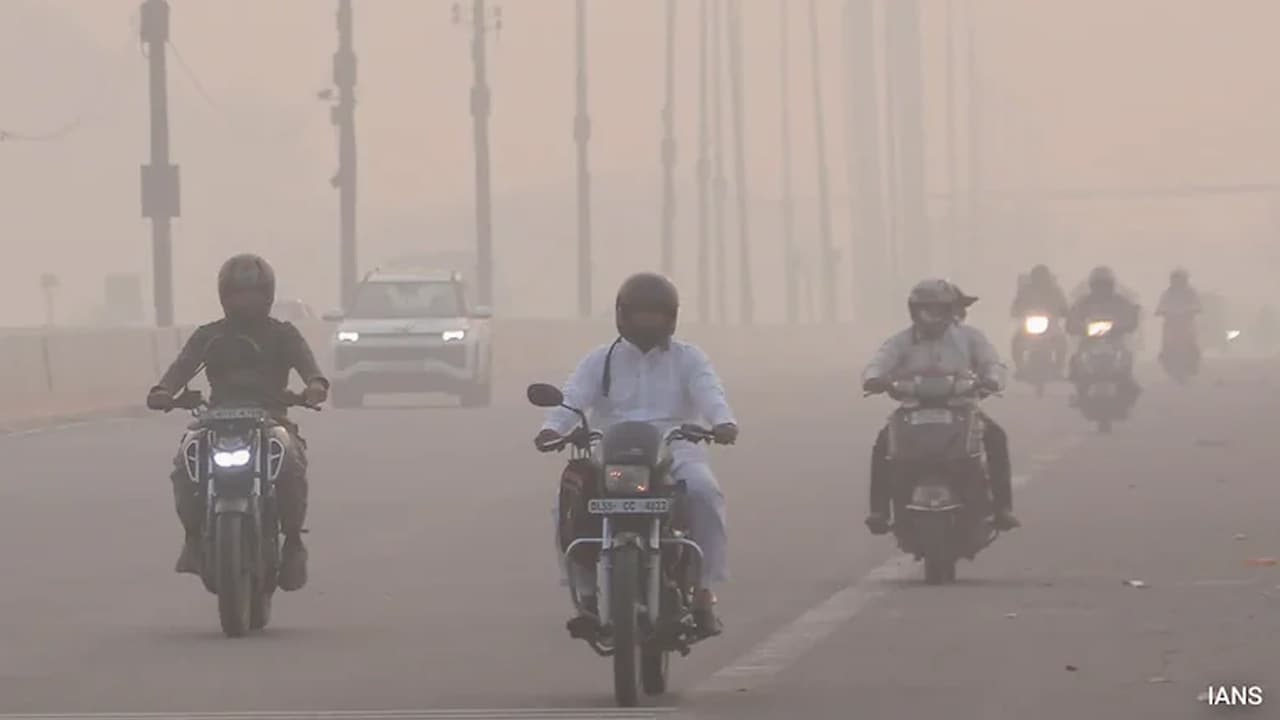
Monday November 09, 2026Every November, Delhi performs the same ritual. We check the AQI before stepping outdoors, children are kept indoors, masks reappear, schools consider shutting, construction is restricted, and emergency meetings are convened. Politicians blame the weather, neighbouring states, farmers, or firecrackers. And then, as the season changes, the urgency d...
दीवाली की चौखट पर दिल्ली में सांसों का संकट: 30 साल की स्टडी ने हरियाली को लेकर क्या बताया?
Thursday November 05, 2026अध्ययन में हरियाली की मात्रा के साथ उसके फैलाव और आपसी जुड़ाव को भी महत्वपूर्ण पाया गया. जिन इलाकों में हरियाली ज्यादा बिखरी हुई थी, वहां सतही तापमान अधिक रहा. इसके विपरीत, बड़े और आपस में जुड़े हरित क्षेत्रों में तापमान कम पाया गया.
Opinion: Why Delhi's Smog Can't Be Fixed From SpaceDavid Fickling, Bloomberg
Monday October 19, 2026The clearest sign that Delhi is on a path to cleaner air would be a decline in the amount of paddy grown nearby, and therefore the acreage liable to be burned each year.
Don't Normalise Air Purifiers As Delhi Chokes | The Reason Why
Thursday December 11, 2025More than 90 cities in the world's top 100 polluting list are in India. With every passing year, the AQI is rising, reaching 'hazardous' levels.
Blog | Well Done, Delhi. You've Turned Lung Sacrifice Into A Badge Of HonourSaikat Kumar Bose
Monday November 10, 2025Till some years back, Delhiites would ask angry questions to those in power about the capitals annual tryst with toxic air. This has changed. Those in the driving seat dont see the need to answer now.