


- Home/
- IIT Delhi, AIIMS Researchers Develop Ingestible Device To Collect Small Intestine Bacteria For Gut Health Research
IIT Delhi, AIIMS Researchers Develop Ingestible Device To Collect Small Intestine Bacteria For Gut Health Research
Indo-Asian News Service | Updated: December 16, 2025 16:09 IST

New Delhi:
Researchers at IIT Delhi on Tuesday announced the development of an ingestible device that can sample bacteria directly from the small intestine, opening a new window into the human gut microbiome.
While not all bacteria are harmful, nearly half of all cells in the human body are microbial. These organisms line our gut and help us digest food, regulate mood, and build immunity.
Yet studying them has remained difficult. Existing tools are invasive, such as endoscopy or ileostomy, or indirect, relying on stool samples that do not truly reflect conditions higher up in the digestive tract.
The device, a tiny pill, once swallowed, stays shut in the stomach. It opens only in the intestine to collect bacteria, then seals itself again to keep the sample safe while moving through the gut, revealed the study, conducted in collaboration with the AIIMS, Delhi and funded by the Indian Council of Medical Research (ICMR).
“To say there is a hidden universe of living microbes in our body is no exaggeration but a scientific reality -- we call it the human microbiome. Just as we send rovers to explore outer space, we need miniaturised devices to explore the inner space of the human body,” explained Prof. Sarvesh Kumar Srivastava, Principal Investigator at the Medical Microdevices and Medicine Laboratory (3MLab), CBME, IIT Delhi.
“The prototype microdevice, once swallowed, can autonomously collect microbes from specific regions of the upper GI tract, allowing species-level identification of the residing microbes, among other biomarkers,” Srivastava added.
The device comprises an enteric-coated gelatin cap that protects it in gastric pH (1-1.5) and disintegrates at intestinal pH (3-5), allowing luminal fluid via an inlet connected to activation and sampling chambers.
The gut-sampling technology, publishing in the journal Small, has been validated in an animal model using a microdevice no larger than a grain of rice. The results showed promise without tissue injury or inflammation.
“The small intestine plays a crucial role in health and disease. Understanding the microbes and chemicals being released there could be key to early disease detection, monitoring of chronic diseases, and developing more targeted treatments,” said co-senior author Dr. Samagra Agarwal from the Department of Gastroenterology and Human Nutrition Unit at AIIMS New Delhi.
The researchers noted that they aim to advance this platform technology to help Indian patients in the clinic after necessary approvals.
(Except for the headline, this story has not been edited by NDTV staff and is published from a syndicated feed.)
Published: December 16, 2025 15:41 IST
also read
 Press Trust of India | Tuesday December 16, 2025 , Chandigarh
Punjab Chief Minister Bhagwant Mann on Monday questioned why there is a pollution crisis in the national capital despite no farm fires now.
- Written by Shreya Goswami | Tuesday December 16, 2025
Air pollution doesn't just harm the lungs. Doctors warn that chronic smog exposure triggers systemic inflammation, worsening joint pain and accelerating damage, especially in shoulders and hips.
- Edited by Nikhil Pandey | Tuesday December 16, 2025
Shillong's exceptionally low air pollution levels result from its highaltitude location, abundant greenery, limited industrial activity and active cleanliness initiatives, helping it rank among India's cities with the best air quality.
- Edited by Sahil Behl | Tuesday December 16, 2025
Delhi Schools In Online Mode: On December 15, the government withdrew this option and mandated that classes for nursery to Class 5 be conducted only in virtual mode.
- Asian News International | Tuesday December 16, 2025 , New Delhi
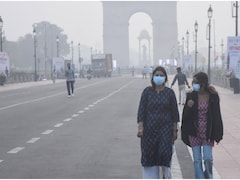
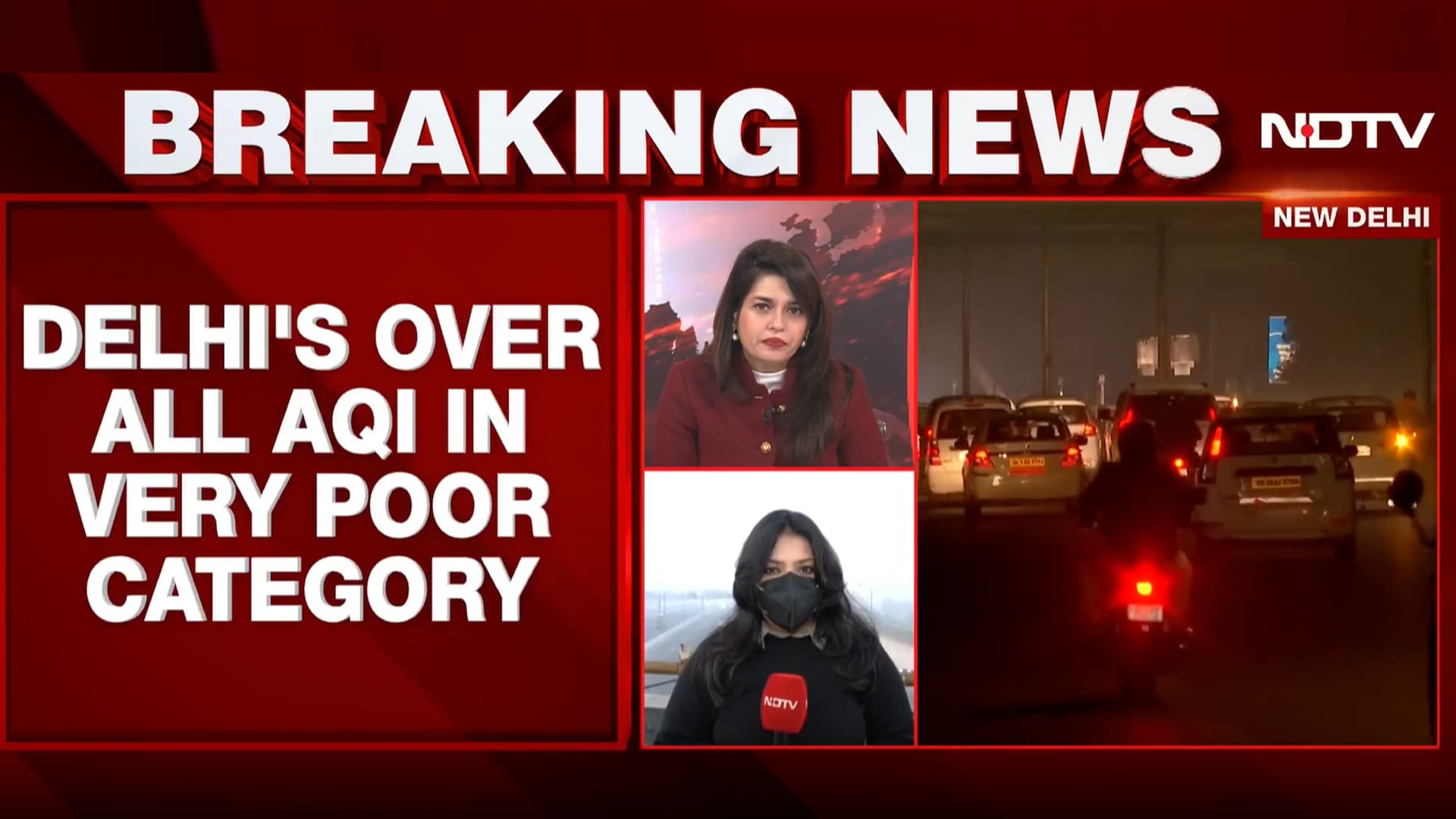
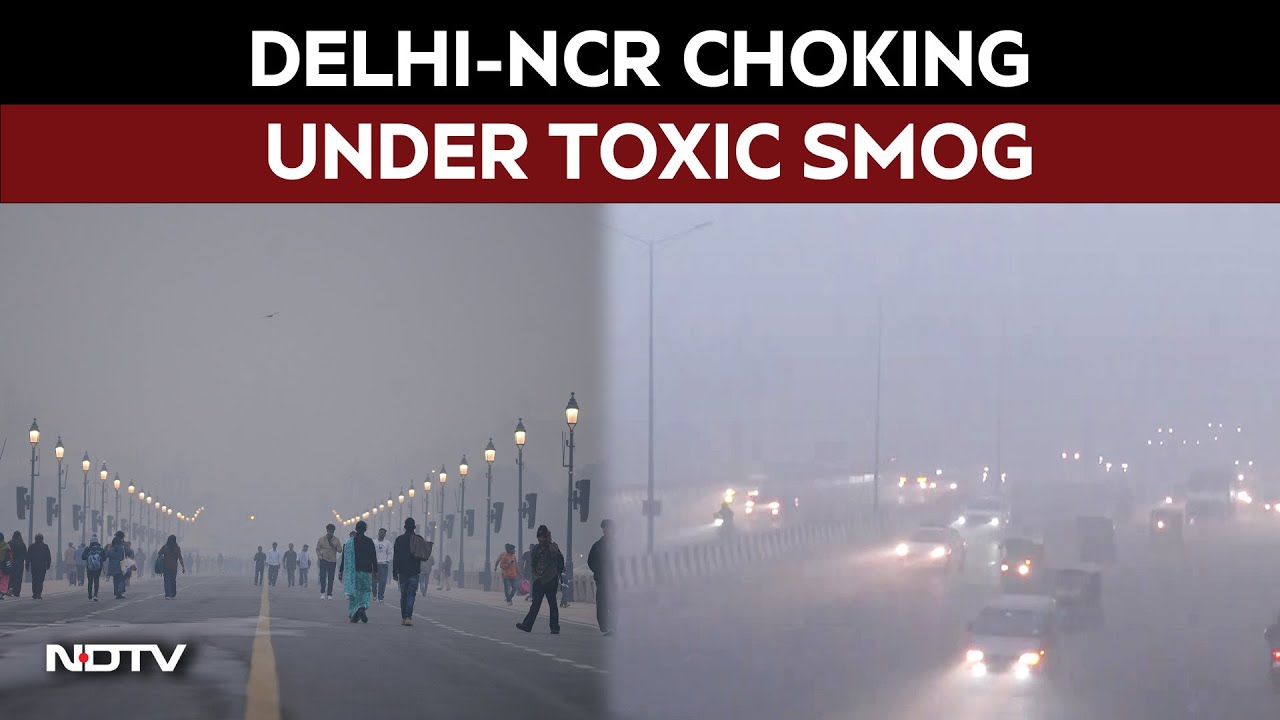
The National Capital Delhi continued to reel under hazardous air conditions on Tuesday as the city's overall AQI stood at 378 at around 8 am, placing it in the 'very poor' category, according to data from the Central Pollution Control Board.




................................ Advertisement ................................


Blog | Well Done, Delhi. You've Turned Lung Sacrifice Into A Badge Of HonourSaikat Kumar Bose
Monday November 10, 2025Till some years back, Delhiites would ask angry questions to those in power about the capitals annual tryst with toxic air. This has changed. Those in the driving seat dont see the need to answer now.
Opinion | Why Indians Have Just Given Up On Air Pollution CrisisTanushree Ganguly
Friday December 20, 2024While some may argue that people in Delhi are now more aware of air pollution than they were a decade back, my rebuttal would be that awareness does not mean that people are concerned.
Opinion | You Must Outrage Over Filthy Air More Than Once A YearJyoti Pande Lavakare
Tuesday December 10, 2024Delhi welcomed us with monsoon rains and mangos. We were home. Fast forward a couple of years, in the winter of 2012, I found myself in denial about something other parents, mostly expats, were calling toxic air.
Opinion | Delhi's Air Pollution Situation Is Like A Bad MarriageNishtha Gautam
Friday November 22, 2024On a good day, such as today, the AQI reading in Delhi is 407. We are jubilant at the sickly sunshine trickling through the slightly dissipated smog. At least its not 1600.
दिवाली... पराली... सियासी जुगाली!Ashwini kumar
Monday November 18, 2024दिल्ली-एनसीआर में प्रदूषण का समाधान तो आज तक मिला नहीं. हर साल चिंतित होकर हम-आप सांसों की तकलीफ के साथ-साथ दिल और ब्लड प्रेशर के मरीज भी क्यों बनें?


