- Home/
- Rekha Kishan's Story Of Empowerment Through Usha And CADAT
Rekha Kishan's Story Of Empowerment Through Usha And CADAT
Team NDTV | Updated: January 24, 2025 13:35 IST
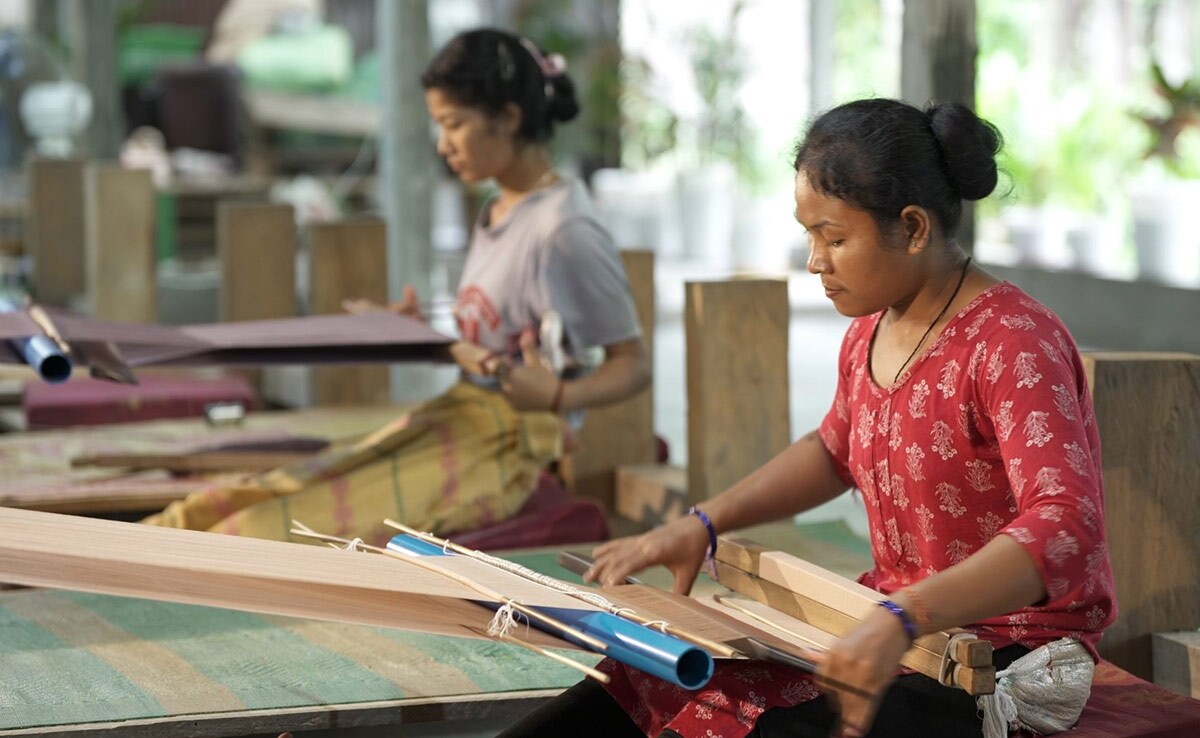
Women receive both technical training and holistic guidance to thrive as Usha partners with NGOs
Usha Silai Schools are not just centers of learning; they are transformative spaces where women in rural India rebuild their lives and communities. Through the art of sewing, they weave their dreams, step into their power, and ignite change. Usha collaborates with a network of NGOs to amplify this mission, creating a powerful alliance that enhances the reach and effectiveness of the Silai Schools. These partnerships bring mentorship, resources, and community support, ensuring that women receive both technical training and holistic guidance to thrive.
For the NGOs partnered with Usha, the collaboration has attracted support from other corporate and government institutions, expanding their impact. Inspired by the programme's success, larger NGOs have independently mobilised funds and resources to further enhance the Silai School initiative. These partnerships have strengthened trust and empowered NGOs to secure support for various other community-driven projects, leading to lasting, positive change.
Also Read: Threading Hope: Sakuben Ahir's Journey From Challenges To Empowerment
In Assam's Biswanath district, home to majestic tea gardens and vast agricultural landscapes, the Centre for Development Action and Appropriate Technology (CADAT) has been a key partner in the Usha Silai School programme since 2016. The collaboration has allowed CADAT to reach marginalised communities such as tea garden workers and tribal groups, offering women new opportunities for empowerment.
Today, CADAT runs at least 40 Silai Schools across Assam. Hundreds of rural women have been trained, and the NGO itself has gained renewed credibility and support. Rekha Kishan, a 47-year-old from the Mijicajan tea garden community, is a shining example of this success. She runs a Silai School from the verandah of her home and now earns around Rs. 10,000 a month. Her success has not only transformed her life but also boosted CADAT's credibility as a grassroots organisation working for the betterment of rural women. Speaking about her experience with CADAT, Rekha Kishan, Usha Silai School Trainer said,
CADAT has helped me a lot. I attended a 7-day training by Usha International and received a sewing machine. I started teaching others at home, and now I earn a steady income. CADAT has supported me throughout, and I'm proud of my work. It's fulfilling to see others acknowledge it.
For CADAT, the partnership with Usha has opened doors to new projects and activities in Biswanath. By showcasing the success of the Silai School programme, CADAT has gained support from other institutions. Usha's Social Services team helps NGOs like CADAT by facilitating connections, proposal writing, and building capacities to expand their portfolios. Dhiren Deka, Chairman, CADAT said,
Rekha Kishan is a community worker. Running this school has brought her satisfaction and benefits. We're also thrilled that Usha's Silai School programme is making a real difference.
Also Read:From Village Struggles To Lakme Fashion Week Stardom: Sunita's Inspiring Journey
The collaboration with Usha has played a pivotal role in CADAT's growth, earning the trust of local communities and corporate partners. In the Khagrabari region, inhabited by Bodo tribal communities, CADAT has launched a livelihood project with funding from NABARD. This initiative builds on the success of the Silai School programme, further establishing CADAT as a reliable resource. Reflecting on the success, Manoranjan Hazarika, General Secretary, CADAT said,
We've been part of the Usha Silai School project since 2012, and our work has expanded to the state level. Our success with Usha attracted other agencies like NABARD, who funded a micro-enterprise program for 30 women. This success is a testament to Usha's support.
The Usha Silai School programme has become a catalyst for positive change, impacting civil society and driving new initiatives in rural communities. What began as a simple sewing project has evolved into a powerful force for empowerment and growth across India.
Published: January 14, 2025 13:58 IST
also read
Important To Implement Environmental Rules To Sustain Gains Of Lockdown: Union Environment Minister Prakash Javadekar
PTIMumbai Based Green Champion Is Striving To Make The City The Cycling Capital By 2030
Reported by Ambika Singh KahmaDr Naresh Trehan On The Learnings From The Coronavirus Pandemic And How Technology Can Help Save The Environment
Written by Aastha Ahuja, Edited by Sonia Bhaskar
 Written by Sneha Mordani | Wednesday November 25, 2026
One person dies every 2nd day in Delhi due to Lung Cancer reveals data from an RTI query. Top Delhi Chest Surgeon says the number of a gross underestimate.
- Written by Debosmita Ghosh | Wednesday November 25, 2026
6,581 lung cancer cases were reported at AIIMS, Ram Manohar Lohia (RML) Hospital and the Delhi State Cancer Institute (DSCI) between January 1, 2020, and July 31, 2026. Safdarjung Hospital did not provide its total number of cases but reported 393 lung cancer deaths.
- Written by Shreya Goswami | Wednesday November 25, 2026
Air pollution may increase the risk of Alzheimer's disease and dementia by disrupting the brain's immune cells, a new study finds. With Indian cities facing high PM2.5 levels, researchers' findings raise fresh concerns about the long-term neurological effects of polluted air.
- Written by Amit Chaturvedi | Wednesday November 25, 2026
The sources of pollution identified by the study include vehicular traffic, construction, and commercial sources. It also said that stubble burning contributes to seasonal deterioration in the air quality in Delhi and areas around it.
- Wednesday November 25, 2026 , New Delhi
Air quality in Delhi remained in the poor category, with four monitoring stations recording 'very poor' readings.



................................ Advertisement ................................


Opinion | Delhi Has Every Pollution Control Policy - Except One That Works
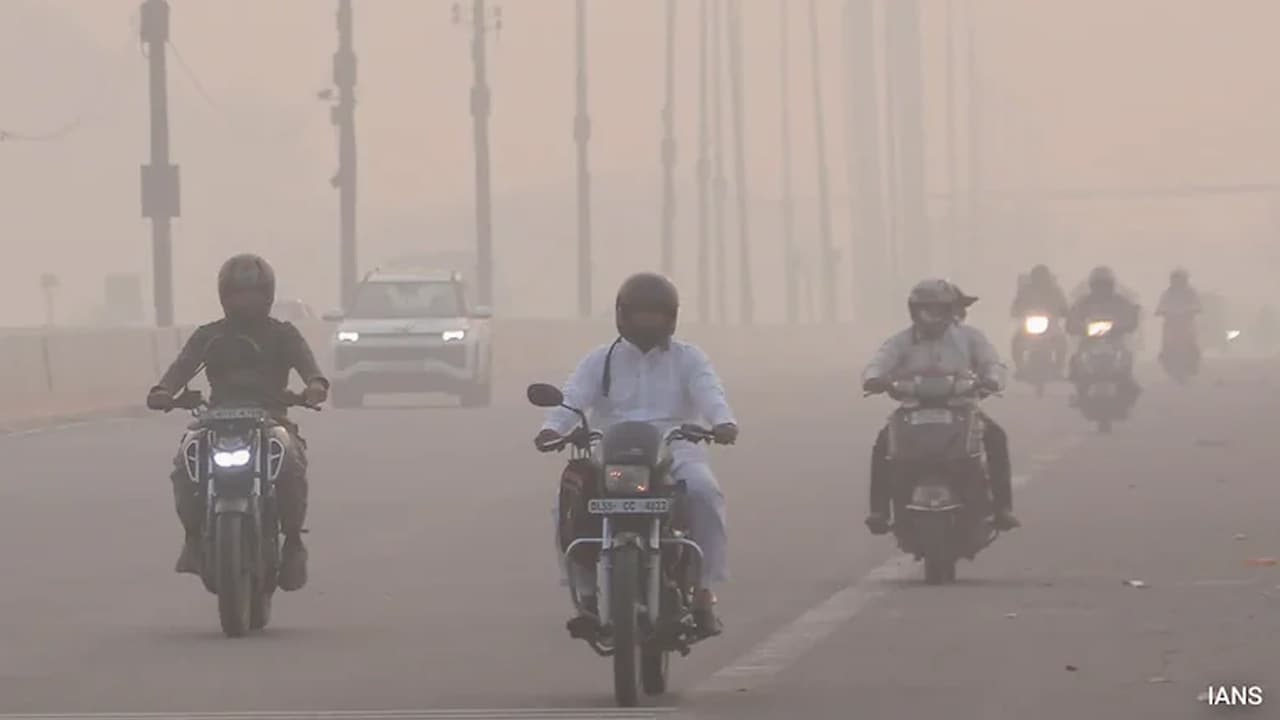
Monday November 09, 2026Every November, Delhi performs the same ritual. We check the AQI before stepping outdoors, children are kept indoors, masks reappear, schools consider shutting, construction is restricted, and emergency meetings are convened. Politicians blame the weather, neighbouring states, farmers, or firecrackers. And then, as the season changes, the urgency d...
दीवाली की चौखट पर दिल्ली में सांसों का संकट: 30 साल की स्टडी ने हरियाली को लेकर क्या बताया?
Thursday November 05, 2026अध्ययन में हरियाली की मात्रा के साथ उसके फैलाव और आपसी जुड़ाव को भी महत्वपूर्ण पाया गया. जिन इलाकों में हरियाली ज्यादा बिखरी हुई थी, वहां सतही तापमान अधिक रहा. इसके विपरीत, बड़े और आपस में जुड़े हरित क्षेत्रों में तापमान कम पाया गया.
Opinion: Why Delhi's Smog Can't Be Fixed From SpaceDavid Fickling, Bloomberg
Monday October 19, 2026The clearest sign that Delhi is on a path to cleaner air would be a decline in the amount of paddy grown nearby, and therefore the acreage liable to be burned each year.
Don't Normalise Air Purifiers As Delhi Chokes | The Reason Why
Thursday December 11, 2025More than 90 cities in the world's top 100 polluting list are in India. With every passing year, the AQI is rising, reaching 'hazardous' levels.
Blog | Well Done, Delhi. You've Turned Lung Sacrifice Into A Badge Of HonourSaikat Kumar Bose
Monday November 10, 2025Till some years back, Delhiites would ask angry questions to those in power about the capitals annual tryst with toxic air. This has changed. Those in the driving seat dont see the need to answer now.