- Home/
- Shwetdhara: Empowering Rural Women In India's Dairy Revolution
Shwetdhara: Empowering Rural Women In India's Dairy Revolution
Posted by Team NDTV | Updated: February 02, 2026 20:07 IST
New Delhi:
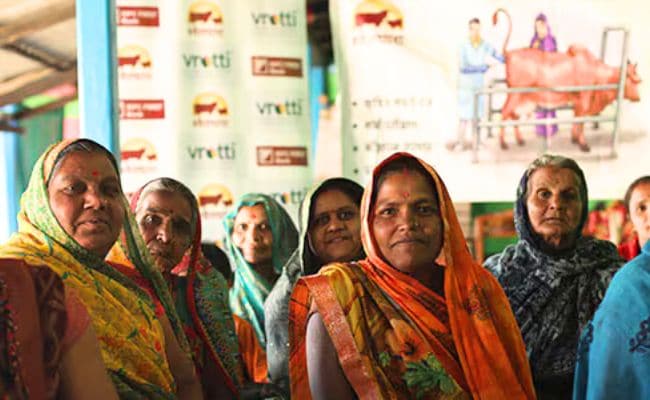
Shwetdhara, launched in 2017 by IDFC FIRST Bank's CSR arm FIRST IMPACT, transforms rural dairy farming by empowering women as leaders and entrepreneurs. This flagship program operates across Rajasthan, Madhya Pradesh, and Karnataka, partnering with organizations like Vrutti and End Poverty to build sustainable livelihoods for smallholder farmers.
Program Origins and Founders
IDFC FIRST Bank initiated Shwetdhara to address gaps in dairy productivity and women's economic roles in rural India. No single individual founder is named; instead, it's driven by the bank's FIRST IMPACT team, with contributions from partners like End Poverty, which started Mission Shwetdhara in 2018. Program managers like Varsha Goswami highlight its focus on training rural women for dairy management and income growth.
Who Are Gram Sakhis?
Gram Sakhis are village-level women volunteers—often first-generation entrepreneurs—from dairy-farming households. Trained in animal healthcare, breed improvement, nutrition, and financial literacy, they deliver doorstep services like artificial insemination, cattle treatments, and fodder advice to farming households. Over 1,082 Gram Sakhis now lead micro-enterprises, disseminating knowledge from more than 5,000 community trainings.
How Shwetdhara Works
The program builds a complete dairy ecosystem through capacity-building and infrastructure. Key elements include 21 Pashu Vikas Kendras (animal development centers) run by vets for services like 18,000+ breed improvements; tech tools for health tracking and farmer registration; and formation of all-women Farmer Producer Companies (FPCs). Women receive business training in financial management, market linkages, and cattle care, enabling bulk buying/selling and reduced middlemen reliance.
Scale and Expansions
From 454 villages initially, Shwetdhara now covers 880 villages, impacting 70,000+ households and 43,500+ families. It has incorporated 4 FPCs with 16,000+ women shareholders and plans further growth via tech and partnerships. Services have reached 91,300+ individuals with treatments, nutrition, and inputs.
Impact on Gram Sakhis and Communities
Gram Sakhis gain dignity, skills, and income, shifting from dependents to providers—many now head FPCs and earn from services. Milk productivity rises via better nutrition and health, boosting household incomes and resilience. Communities see women-led changes: 18,805 cattle treatments by Gram Sakhis and economic uplift, aligning with SDG goals for gender equality. Recognized nationally, it models bank-led rural innovation.
Future Vision
Shwetdhara eyes a self-sustaining, women-led dairy economy with expanded FPCs, AI vet tools, and market competition. By fostering tech-enabled enterprises, it promises lasting prosperity for rural India.
Published: February 02, 2026 18:13 IST
also read
Important To Implement Environmental Rules To Sustain Gains Of Lockdown: Union Environment Minister Prakash Javadekar
PTIMumbai Based Green Champion Is Striving To Make The City The Cycling Capital By 2030
Reported by Ambika Singh KahmaDr Naresh Trehan On The Learnings From The Coronavirus Pandemic And How Technology Can Help Save The Environment
Written by Aastha Ahuja, Edited by Sonia Bhaskar
 Written by Sneha Mordani | Wednesday November 25, 2026
One person dies every 2nd day in Delhi due to Lung Cancer reveals data from an RTI query. Top Delhi Chest Surgeon says the number of a gross underestimate.
- Written by Debosmita Ghosh | Wednesday November 25, 2026
6,581 lung cancer cases were reported at AIIMS, Ram Manohar Lohia (RML) Hospital and the Delhi State Cancer Institute (DSCI) between January 1, 2020, and July 31, 2026. Safdarjung Hospital did not provide its total number of cases but reported 393 lung cancer deaths.
- Written by Shreya Goswami | Wednesday November 25, 2026
Air pollution may increase the risk of Alzheimer's disease and dementia by disrupting the brain's immune cells, a new study finds. With Indian cities facing high PM2.5 levels, researchers' findings raise fresh concerns about the long-term neurological effects of polluted air.
- Written by Amit Chaturvedi | Wednesday November 25, 2026
The sources of pollution identified by the study include vehicular traffic, construction, and commercial sources. It also said that stubble burning contributes to seasonal deterioration in the air quality in Delhi and areas around it.
- Wednesday November 25, 2026 , New Delhi
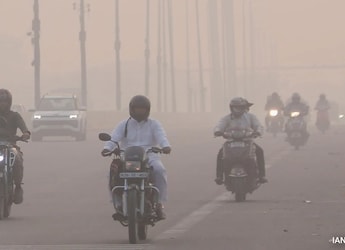
Air quality in Delhi remained in the poor category, with four monitoring stations recording 'very poor' readings.


................................ Advertisement ................................


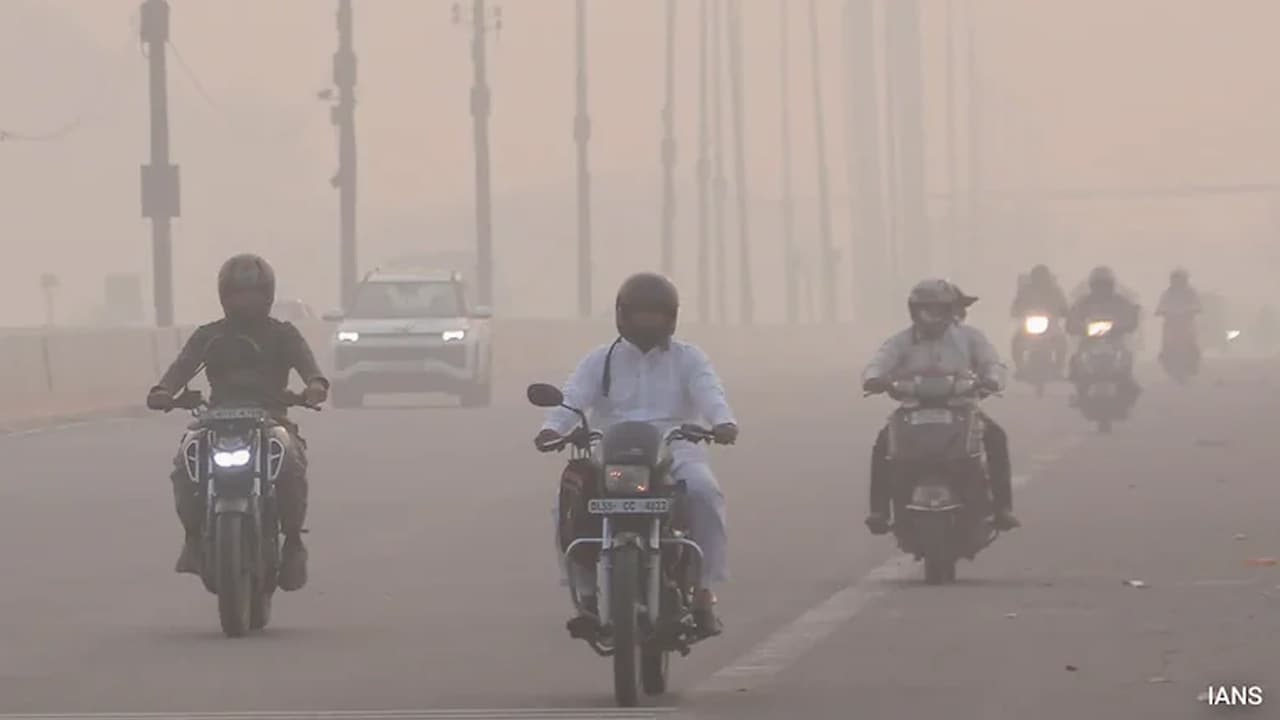
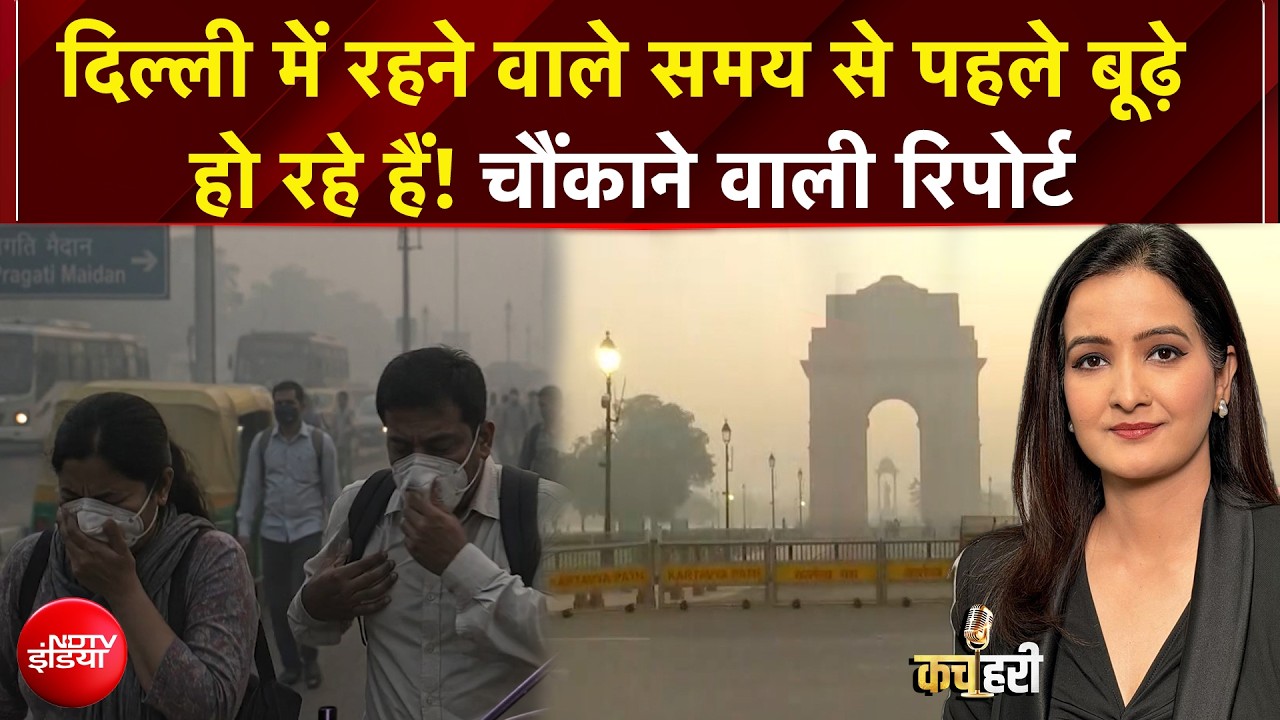

Opinion | Delhi Has Every Pollution Control Policy - Except One That Works
Monday November 09, 2026Every November, Delhi performs the same ritual. We check the AQI before stepping outdoors, children are kept indoors, masks reappear, schools consider shutting, construction is restricted, and emergency meetings are convened. Politicians blame the weather, neighbouring states, farmers, or firecrackers. And then, as the season changes, the urgency d...
दीवाली की चौखट पर दिल्ली में सांसों का संकट: 30 साल की स्टडी ने हरियाली को लेकर क्या बताया?
Thursday November 05, 2026अध्ययन में हरियाली की मात्रा के साथ उसके फैलाव और आपसी जुड़ाव को भी महत्वपूर्ण पाया गया. जिन इलाकों में हरियाली ज्यादा बिखरी हुई थी, वहां सतही तापमान अधिक रहा. इसके विपरीत, बड़े और आपस में जुड़े हरित क्षेत्रों में तापमान कम पाया गया.
Opinion: Why Delhi's Smog Can't Be Fixed From SpaceDavid Fickling, Bloomberg
Monday October 19, 2026The clearest sign that Delhi is on a path to cleaner air would be a decline in the amount of paddy grown nearby, and therefore the acreage liable to be burned each year.
Don't Normalise Air Purifiers As Delhi Chokes | The Reason Why
Thursday December 11, 2025More than 90 cities in the world's top 100 polluting list are in India. With every passing year, the AQI is rising, reaching 'hazardous' levels.
Blog | Well Done, Delhi. You've Turned Lung Sacrifice Into A Badge Of HonourSaikat Kumar Bose
Monday November 10, 2025Till some years back, Delhiites would ask angry questions to those in power about the capitals annual tryst with toxic air. This has changed. Those in the driving seat dont see the need to answer now.