- Home/
- Stitching New Beginnings: How Usha Silai Schools Transformed Three Women's Lives
Stitching New Beginnings: How Usha Silai Schools Transformed Three Women's Lives
Written by Team NDTV | Updated: January 02, 2026 19:27 IST
New Delhi:
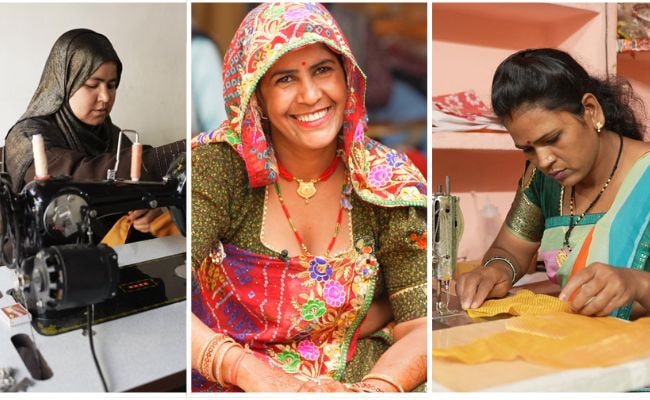
Life can hit hard, leaving women feeling lost and alone. But in villages across India, Usha Silai Schools offer more than sewing lessons—they provide skills, support, and a fresh start. These short training programs turn hardship into hope for widows, abuse survivors, and others facing tough times. Here are three real stories of women who picked up a needle and threaded their way to independence.
Marifat's Journey from Grief to Strength
In Srinagar's Nowhatta area, Marifat had a comfortable life until 2023. Her husband died suddenly at Delhi airport while working in Kolkata, leaving her with a 15-month-old son and 4.5-year-old daughter. Her in-laws abandoned her, sending her back to her parents' home with nothing. Overwhelmed and jobless despite two master's degrees, she felt trapped. A neighbor suggested Usha Silai School through the University of Kashmir's social work program. Hesitant but desperate, Marifat joined the nine-day residential training.
There, she learned sewing, met supportive women, and rebuilt her confidence. Today, she runs a boutique near Jamia Masjid, earning Rs 8,000–15,000 monthly. "I want to help 10–20 women like others helped me," she says. Her children now have stability, and she lives with self-respect.
Jyoti's Escape from Abuse to Enterprise
Near Ujjain in Madhya Pradesh, Jyoti married at 14 and became a mother at 15. For 14 years, her husband's drinking and beatings kept her locked at home. Divorced in 2012, she raised three children alone, cooking for others, driving an e-rickshaw, and fearing judgment. In December 2023, she attended Usha Silai School's nine-day training. It fit her life—no need to leave home long-term. By January 2024, she opened her own school in Kalukhedi, training villagers and taking orders. Now remarried to tailor Mewaram, they share the business.
Earning steadily, Jyoti funds her kids' education and gains community respect. "Stitching gave me an identity—no more wandering," she shares. She wears her mangalsutra for dignity, turning pity into pride.
Vimla's Rise from Child Bride to Tailor
In Neemki village, Sikar, Rajasthan, Vimla married at 10, quitting school for household duties. Widowed young with son Ankit and daughter Monika, she faced in-law rejection and labored on farms.
Supported by family but pressured, she heard about Usha Silai School at an Anganwadi meeting. In 2021, she joined nine-day training in Reengus—her first trip away. Returning with a machine and certificate, villagers marveled. She now earns Rs 8,000–10,000 monthly, runs a tailoring business with husband Mewaram, and teaches locals. Her daughter studies medicine privately, her son is in 12th grade. Vimla warns against child marriage in classes: "I regret mine—let girls study first." From laborer to leader, she proves skills change fates. Usha Silai Schools, started in 2011, select the most vulnerable women—no caste or religion barriers. The nine-day training covers sewing, life skills, and business basics, turning trainees into entrepreneurs. As Mohan Lal, Usha's regional manager, notes, it's a "mindset change." These women don't just stitch clothes—they mend lives, inspiring families and villages. One needle, endless possibilities.
Published: January 02, 2026 19:24 IST
also read
Important To Implement Environmental Rules To Sustain Gains Of Lockdown: Union Environment Minister Prakash Javadekar
PTIMumbai Based Green Champion Is Striving To Make The City The Cycling Capital By 2030
Reported by Ambika Singh KahmaDr Naresh Trehan On The Learnings From The Coronavirus Pandemic And How Technology Can Help Save The Environment
Written by Aastha Ahuja, Edited by Sonia Bhaskar
 Written by Sneha Mordani | Wednesday November 25, 2026
One person dies every 2nd day in Delhi due to Lung Cancer reveals data from an RTI query. Top Delhi Chest Surgeon says the number of a gross underestimate.
- Written by Debosmita Ghosh | Wednesday November 25, 2026
6,581 lung cancer cases were reported at AIIMS, Ram Manohar Lohia (RML) Hospital and the Delhi State Cancer Institute (DSCI) between January 1, 2020, and July 31, 2026. Safdarjung Hospital did not provide its total number of cases but reported 393 lung cancer deaths.
- Written by Shreya Goswami | Wednesday November 25, 2026
Air pollution may increase the risk of Alzheimer's disease and dementia by disrupting the brain's immune cells, a new study finds. With Indian cities facing high PM2.5 levels, researchers' findings raise fresh concerns about the long-term neurological effects of polluted air.
- Written by Amit Chaturvedi | Wednesday November 25, 2026
The sources of pollution identified by the study include vehicular traffic, construction, and commercial sources. It also said that stubble burning contributes to seasonal deterioration in the air quality in Delhi and areas around it.
- Wednesday November 25, 2026 , New Delhi
Air quality in Delhi remained in the poor category, with four monitoring stations recording 'very poor' readings.


................................ Advertisement ................................


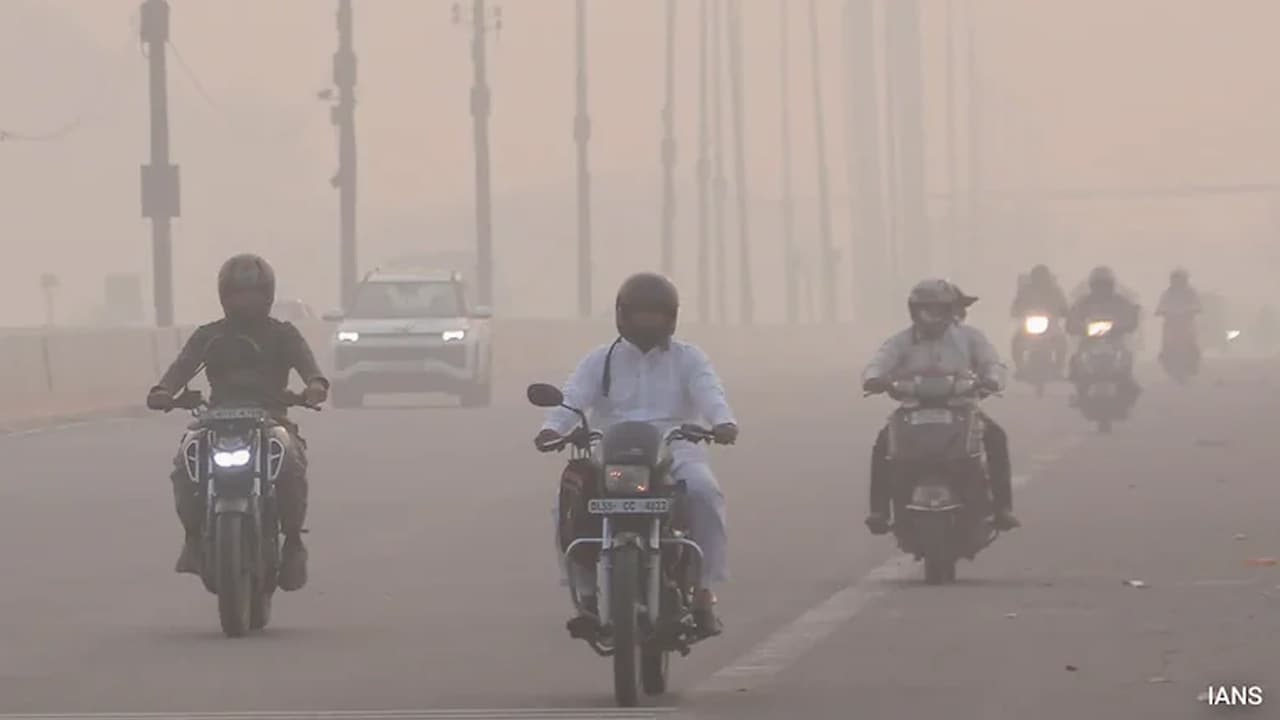

Opinion | Delhi Has Every Pollution Control Policy - Except One That Works
Monday November 09, 2026Every November, Delhi performs the same ritual. We check the AQI before stepping outdoors, children are kept indoors, masks reappear, schools consider shutting, construction is restricted, and emergency meetings are convened. Politicians blame the weather, neighbouring states, farmers, or firecrackers. And then, as the season changes, the urgency d...
दीवाली की चौखट पर दिल्ली में सांसों का संकट: 30 साल की स्टडी ने हरियाली को लेकर क्या बताया?
Thursday November 05, 2026अध्ययन में हरियाली की मात्रा के साथ उसके फैलाव और आपसी जुड़ाव को भी महत्वपूर्ण पाया गया. जिन इलाकों में हरियाली ज्यादा बिखरी हुई थी, वहां सतही तापमान अधिक रहा. इसके विपरीत, बड़े और आपस में जुड़े हरित क्षेत्रों में तापमान कम पाया गया.
Opinion: Why Delhi's Smog Can't Be Fixed From SpaceDavid Fickling, Bloomberg
Monday October 19, 2026The clearest sign that Delhi is on a path to cleaner air would be a decline in the amount of paddy grown nearby, and therefore the acreage liable to be burned each year.
Don't Normalise Air Purifiers As Delhi Chokes | The Reason Why
Thursday December 11, 2025More than 90 cities in the world's top 100 polluting list are in India. With every passing year, the AQI is rising, reaching 'hazardous' levels.
Blog | Well Done, Delhi. You've Turned Lung Sacrifice Into A Badge Of HonourSaikat Kumar Bose
Monday November 10, 2025Till some years back, Delhiites would ask angry questions to those in power about the capitals annual tryst with toxic air. This has changed. Those in the driving seat dont see the need to answer now.