- Home/
- USHA Silai School Women's Journey To The Fashion Ramp
USHA Silai School Women's Journey To The Fashion Ramp
Team NDTV | Updated: January 02, 2025 12:55 IST
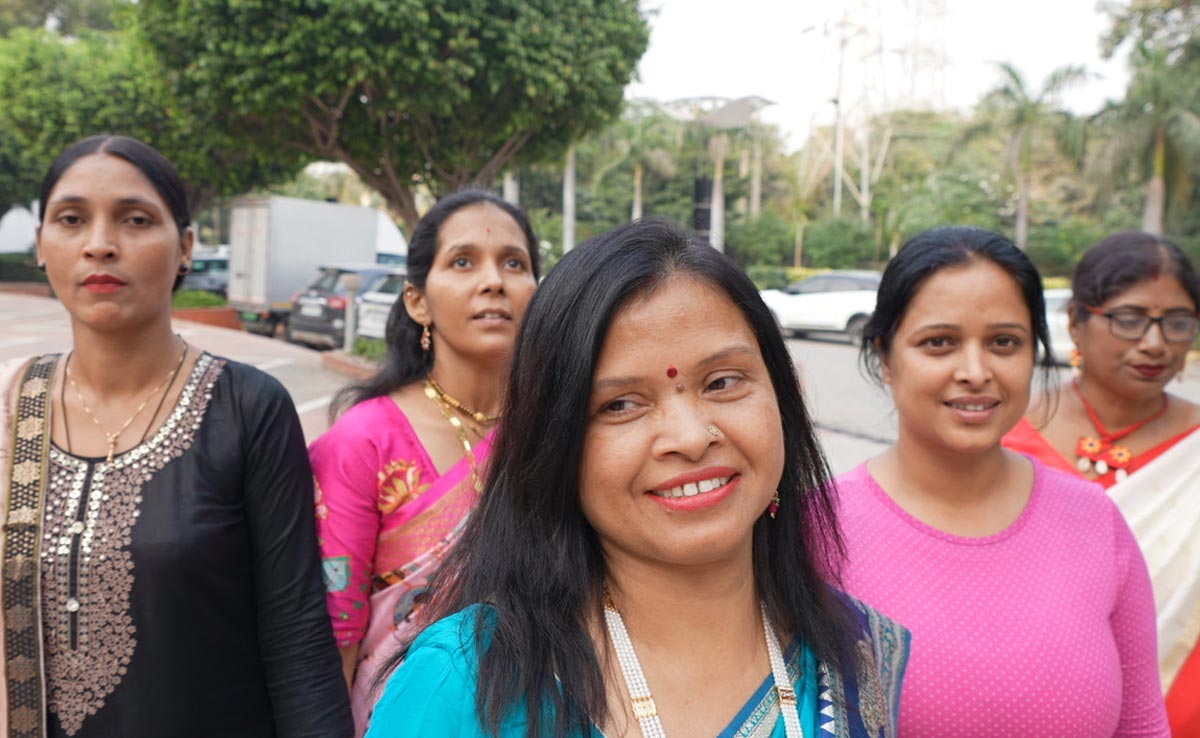
Since 2011, the USHA Silai School program has been transforming the lives of women in rural India. Over 1.4 million women have been trained in sewing and stitching, enabling them to create self-sustaining micro-enterprises. For many, this program has been a lifeline, helping them break free from poverty, achieve financial independence, and support their families and communities. The program's success lies in its holistic approach. Women from rural areas, often marginalized with limited earning opportunities, receive classical sewing training through a nine-day intensive workshop.This training led to the establishment of USHA Silai Schools, where women can refine their skills, earn an income, and eventually train others.
Ashutosh Chauhan, Deputy Manager of the USHA Silai School program shared,
Over 36,000 women have undergone classical training and set up Silai Schools. From there, we identify the best talents, provide ongoing training, and prepare them to become master trainers. These trainers also receive life skills training, including financial literacy and sanitation, empowering them to become leaders in their communities.
In a landmark initiative, ten master trainers were selected from across India to participate in the prestigious India Style Fashion Week. These women, who once stitched garments for villagers, showcased their original creations as designers on an international platform. Their journey, guided by mentors and USHA trainers, was marked by dedication and learning.
Mary Rupa Tete, a senior trainer said,
This journey from skilled artisans to designers has been challenging yet inspiring. These women represent true grit and determination.
From Village Struggles To Lakme Fashion Week Stardom: Sunita's Inspiring Journey
USHA brought together talent from across the country through a meticulous selection process. Women from Silai Schools to Master Trainers competed for the opportunity, and ten exceptional women were chosen. For the first time, these women stepped into the spotlight as designers, showcasing their unique creations and celebrating their transformation.
Ashutosh Chauhan, Deputy Manager, USS explained,
We invite women based on their skills. The best are selected and given platforms like India Style Fashion Week, Lakme Fashion Week, and East India Fashion Week to showcase their talent. With input from designers, we train them in pattern making, design development, and measurements, empowering them to excel on prestigious stages.
The transformation of these women into designers was supported by fashion designers Dr. Kapil Kishore and Sonia Jetleey, who mentored them online. From creating mood boards to understanding color balancing and pattern making, the women learned every step of the design process.
Dr. Kishore said,
The concept focused on festive seasons. We started by introducing the mood board and guided them step by step on how to create and arrange it. They learned color balancing and design elements. Once they understood, they selected and incorporated colors to bring their vision to life. The final collection beautifully captures the festive spirit.
For participants like Savita Thakur from Bihar and Ranjhna from Himachal Pradesh, this experience was a dream come true.
Savita said,
I never imagined I'd be here. Seeing my designs on models on such a grand stage feels surreal.
Ranjhna added,
I drew inspiration from temples, mountains, and nature to create my designs. From being a village woman whose work was overlooked, I've become someone whose creations are celebrated. It's a moment of pride and transformation.
A Decade of Transformation: Saroj Namdev's Story Of Sewing Dreams
The India Style Fashion Week in Gurgaon marked the culmination of months of hard work. Excitement filled the air as the final moments approached. Designers made last-minute adjustments, ensuring every garment fit perfectly. When the women's designs finally hit the ramp, it was a moment of triumph. Each step symbolized their courage, resilience, and determination.
For these women, this wasn't just a fashion show, it was a celebration of their journey from marginalized individuals to empowered designers. The event has been a turning point, inspiring participants to aim higher.
Ranjhna expressed her future aspirations,
I dream of taking my designs to platforms like Lakme Fashion Week and creating a brand that represents Himachal and India.
For USHA Silai School, this collaboration is a testament to their mission of empowering women.
Ashutosh Chauhan concluded,
We aim to popularize sewing and provide opportunities for marginalized women to showcase their talents. This is just the beginning.
The India Style Fashion Week wasn't just about showcasing designs. It was a celebration of resilience, creativity, and the power of opportunity. These women have shown the world that with the right support, even the most distant dreams can come true.
Published: January 02, 2025 12:44 IST
also read
Important To Implement Environmental Rules To Sustain Gains Of Lockdown: Union Environment Minister Prakash Javadekar
PTIMumbai Based Green Champion Is Striving To Make The City The Cycling Capital By 2030
Reported by Ambika Singh KahmaDr Naresh Trehan On The Learnings From The Coronavirus Pandemic And How Technology Can Help Save The Environment
Written by Aastha Ahuja, Edited by Sonia Bhaskar
 Written by Sneha Mordani | Wednesday November 25, 2026
One person dies every 2nd day in Delhi due to Lung Cancer reveals data from an RTI query. Top Delhi Chest Surgeon says the number of a gross underestimate.
- Written by Debosmita Ghosh | Wednesday November 25, 2026
6,581 lung cancer cases were reported at AIIMS, Ram Manohar Lohia (RML) Hospital and the Delhi State Cancer Institute (DSCI) between January 1, 2020, and July 31, 2026. Safdarjung Hospital did not provide its total number of cases but reported 393 lung cancer deaths.
- Written by Shreya Goswami | Wednesday November 25, 2026
Air pollution may increase the risk of Alzheimer's disease and dementia by disrupting the brain's immune cells, a new study finds. With Indian cities facing high PM2.5 levels, researchers' findings raise fresh concerns about the long-term neurological effects of polluted air.
- Written by Amit Chaturvedi | Wednesday November 25, 2026
The sources of pollution identified by the study include vehicular traffic, construction, and commercial sources. It also said that stubble burning contributes to seasonal deterioration in the air quality in Delhi and areas around it.
- Wednesday November 25, 2026 , New Delhi
Air quality in Delhi remained in the poor category, with four monitoring stations recording 'very poor' readings.


................................ Advertisement ................................


Opinion | Delhi Has Every Pollution Control Policy - Except One That Works
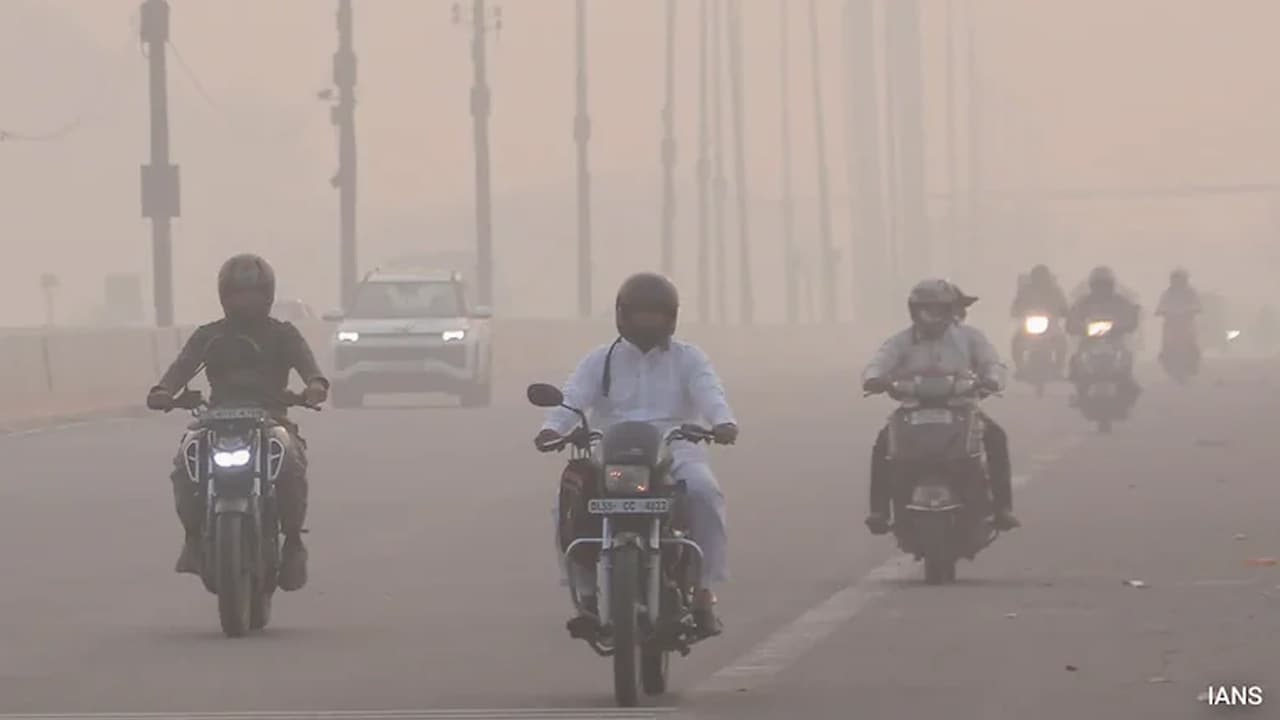
Monday November 09, 2026Every November, Delhi performs the same ritual. We check the AQI before stepping outdoors, children are kept indoors, masks reappear, schools consider shutting, construction is restricted, and emergency meetings are convened. Politicians blame the weather, neighbouring states, farmers, or firecrackers. And then, as the season changes, the urgency d...
दीवाली की चौखट पर दिल्ली में सांसों का संकट: 30 साल की स्टडी ने हरियाली को लेकर क्या बताया?
Thursday November 05, 2026अध्ययन में हरियाली की मात्रा के साथ उसके फैलाव और आपसी जुड़ाव को भी महत्वपूर्ण पाया गया. जिन इलाकों में हरियाली ज्यादा बिखरी हुई थी, वहां सतही तापमान अधिक रहा. इसके विपरीत, बड़े और आपस में जुड़े हरित क्षेत्रों में तापमान कम पाया गया.
Opinion: Why Delhi's Smog Can't Be Fixed From SpaceDavid Fickling, Bloomberg
Monday October 19, 2026The clearest sign that Delhi is on a path to cleaner air would be a decline in the amount of paddy grown nearby, and therefore the acreage liable to be burned each year.
Don't Normalise Air Purifiers As Delhi Chokes | The Reason Why
Thursday December 11, 2025More than 90 cities in the world's top 100 polluting list are in India. With every passing year, the AQI is rising, reaching 'hazardous' levels.
Blog | Well Done, Delhi. You've Turned Lung Sacrifice Into A Badge Of HonourSaikat Kumar Bose
Monday November 10, 2025Till some years back, Delhiites would ask angry questions to those in power about the capitals annual tryst with toxic air. This has changed. Those in the driving seat dont see the need to answer now.