



................................ Advertisement ................................
 Friday November 06, 2026 , New Delhi
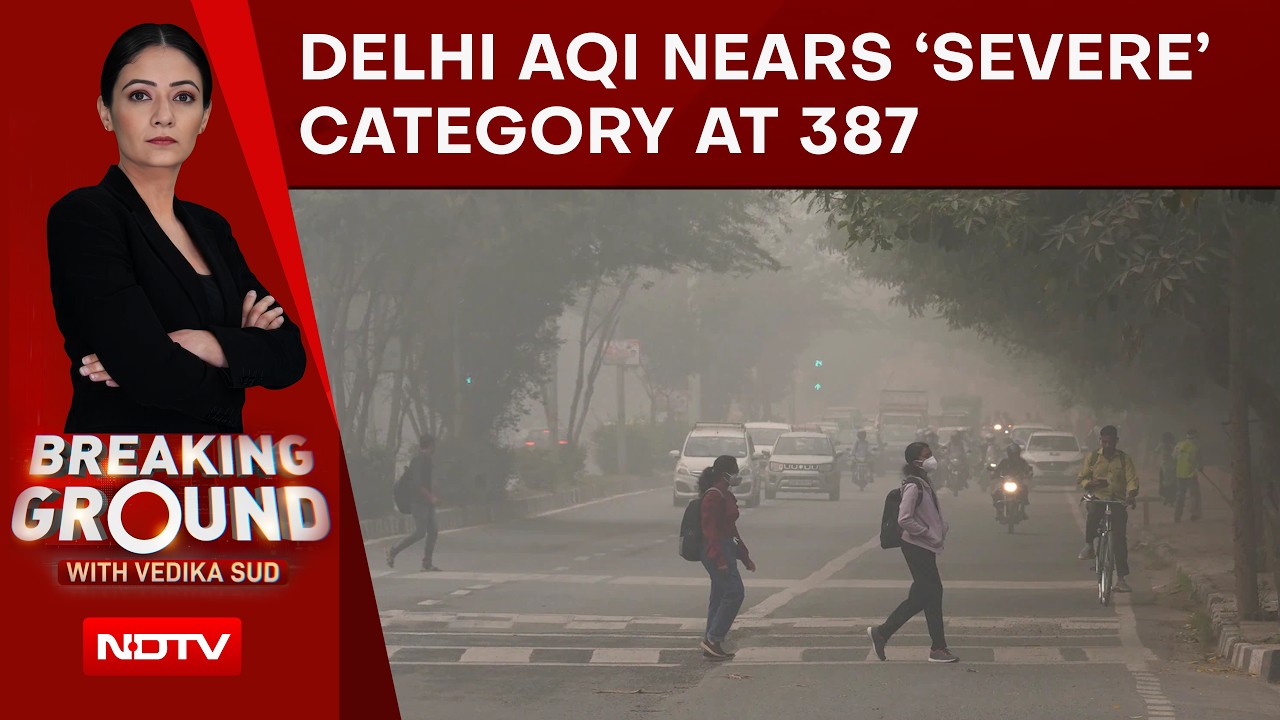
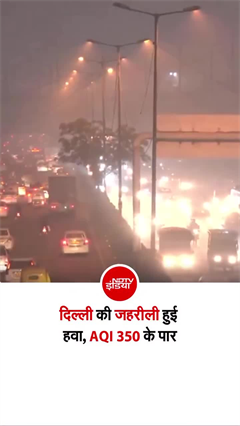
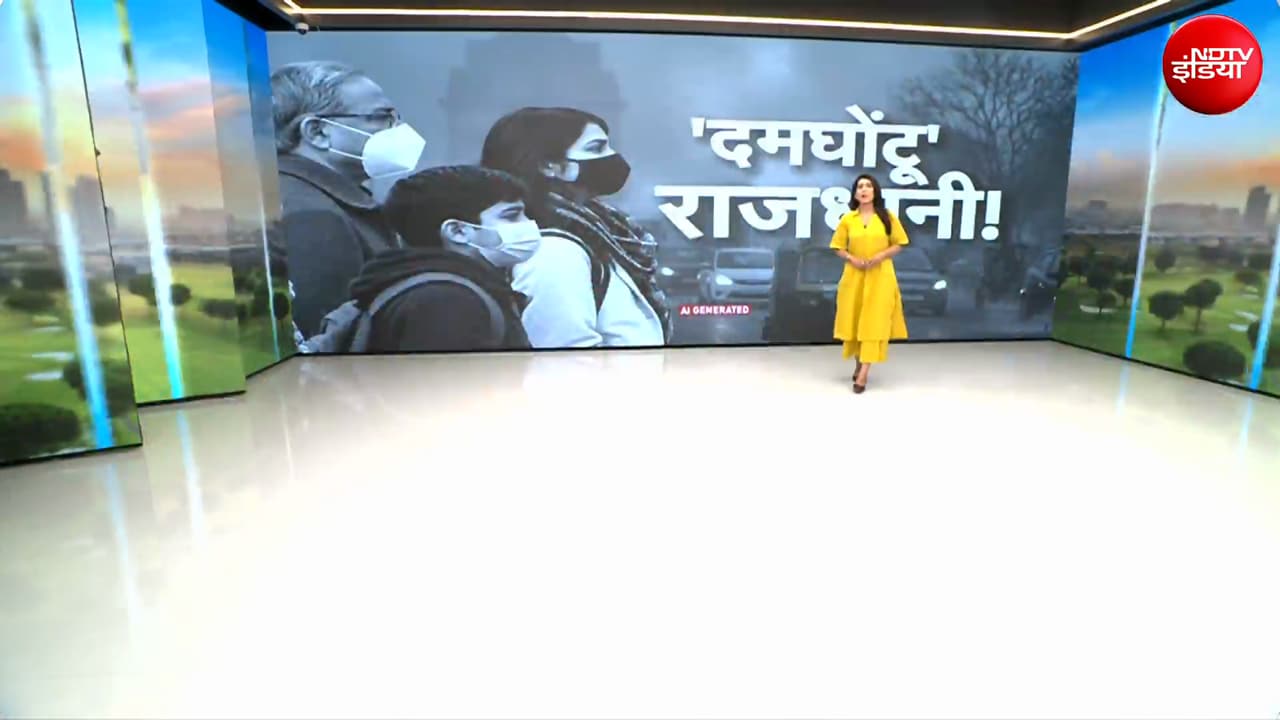
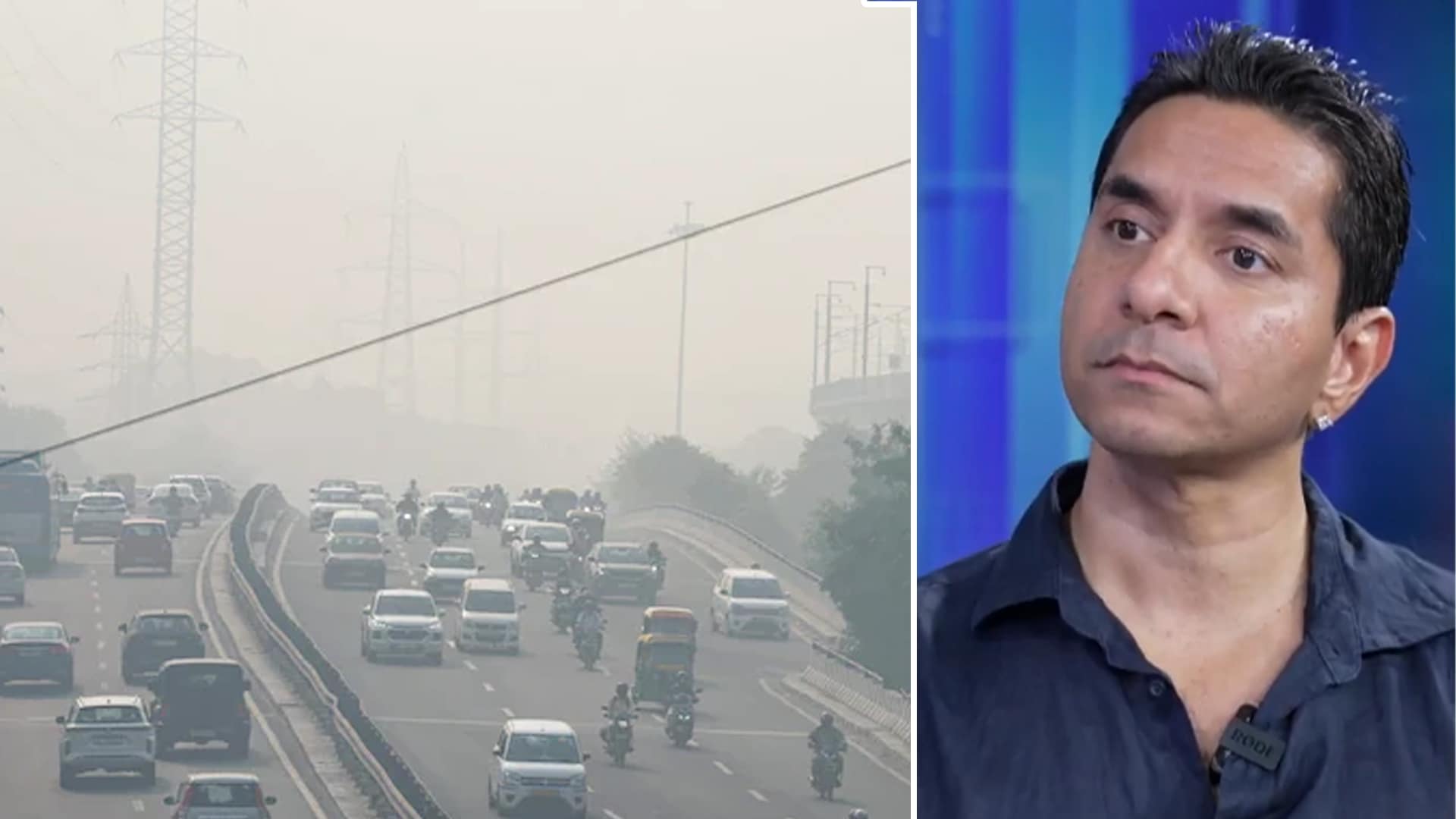
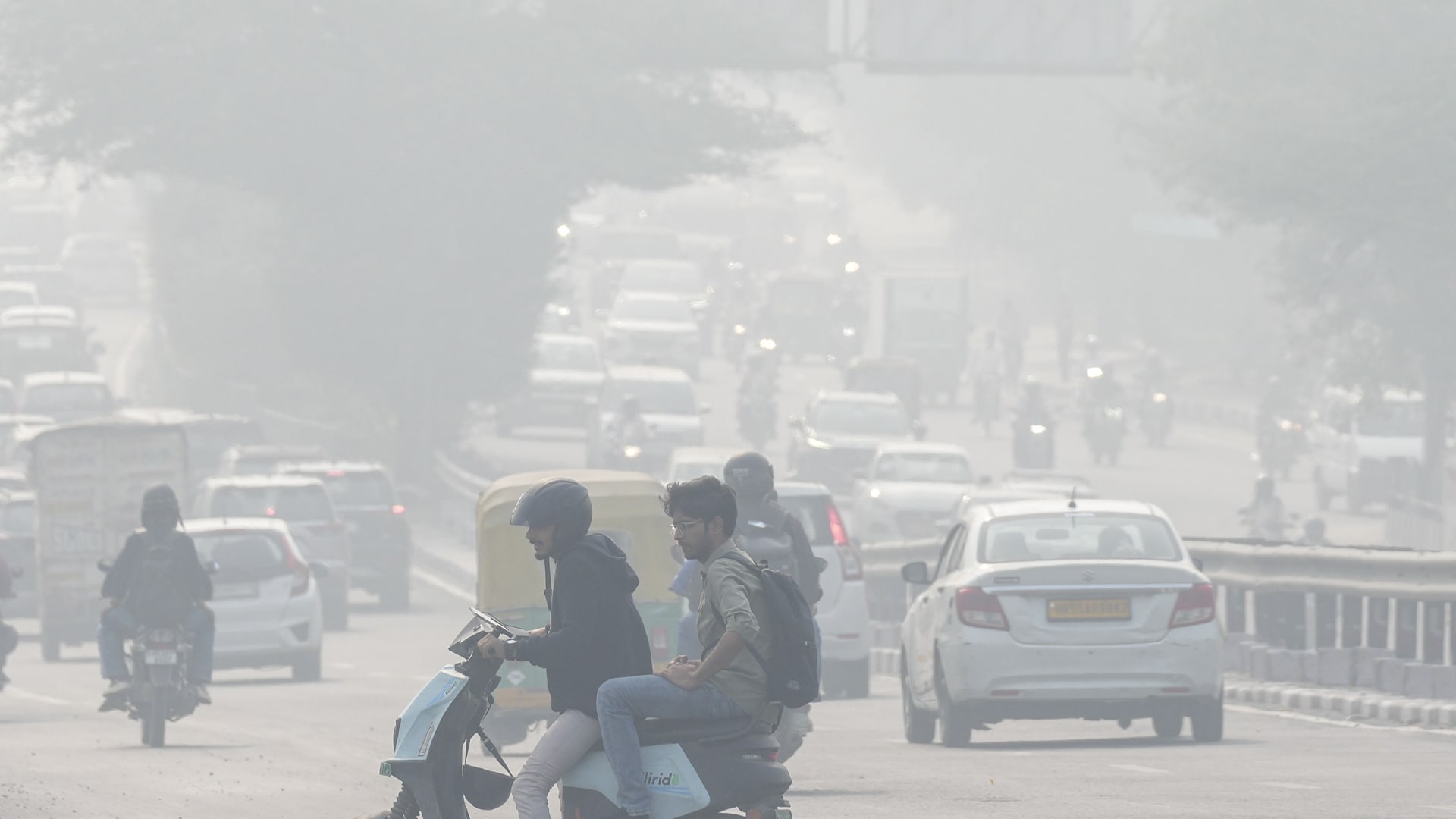
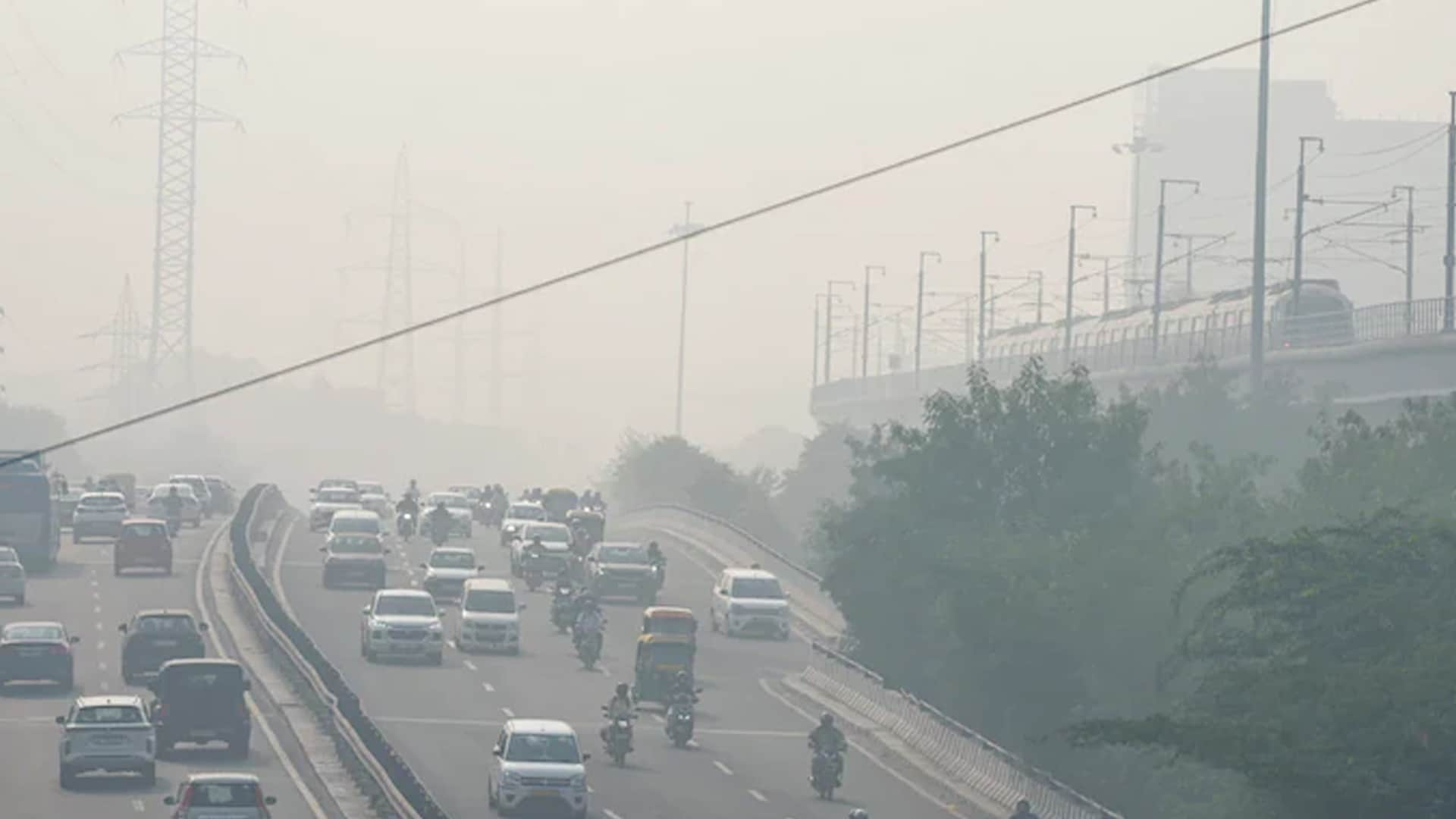
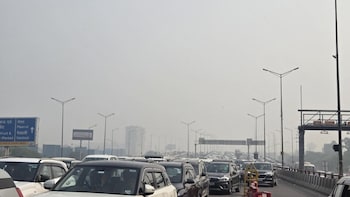
The Commission for Air Quality Management or CAQM has applied the Stage-III restrictions across the entire NCR with immediate effect as a precautionary measure after Delhi's average AQI (Air Quality Index) hit 382 today.
- Written by Vaishnavi Mishra | Friday November 06, 2026
An AQI converts a dust reading into a score from 0 to 500. Each country builds its scale around its own safe limits, so the same air gets a different score.
- Written by Sneha Mordani | Friday November 06, 2026
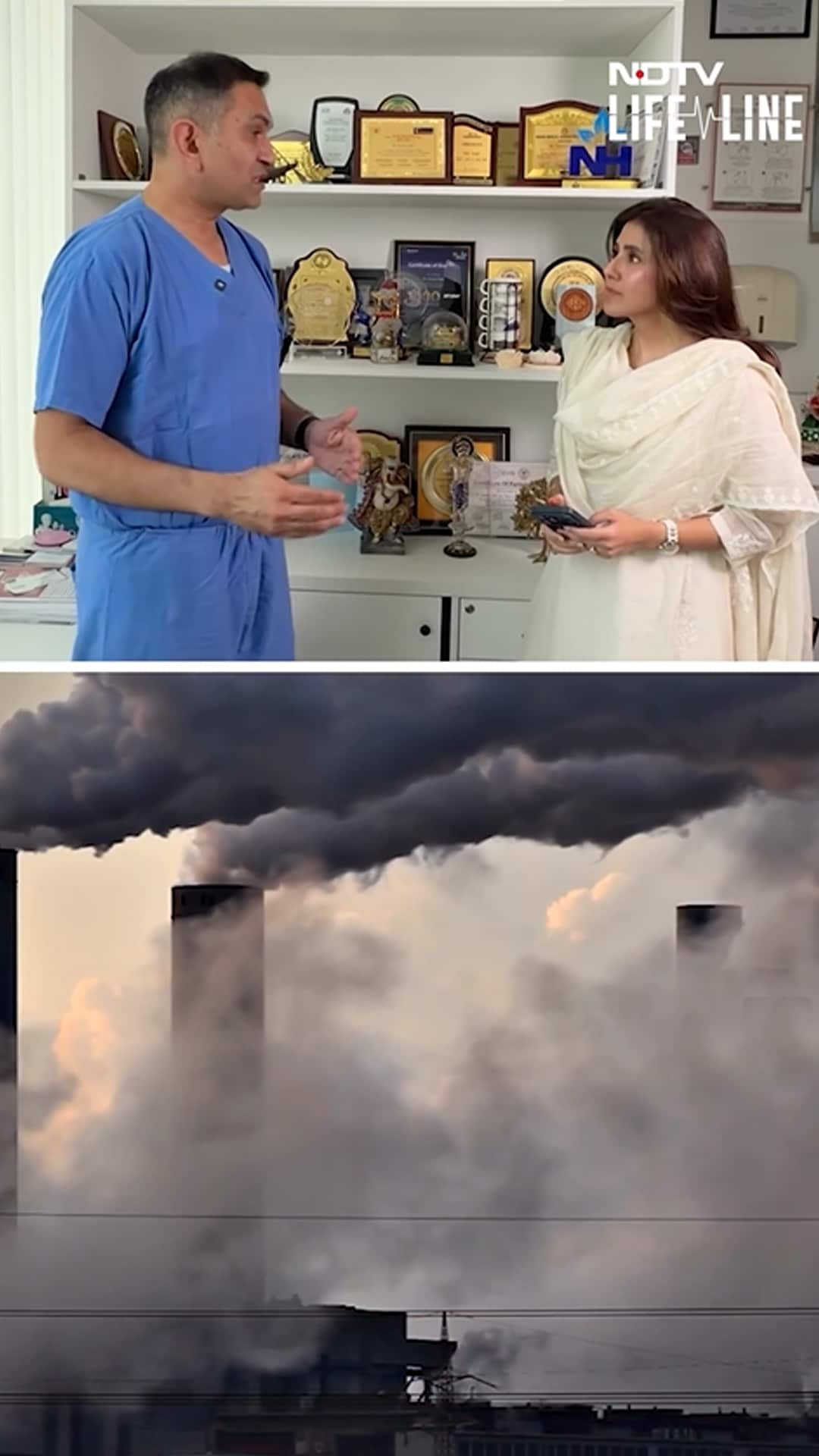
As Delhi-NCR enters another season of toxic air, doctors warn that spikes in pollution can trigger heart attacks and strokes. Fine particulate matter can enter the bloodstream, trigger inflammation, damage blood vessels and increase the risk of blood clots.
- Written by Vishesh Nagar | Friday November 06, 2026
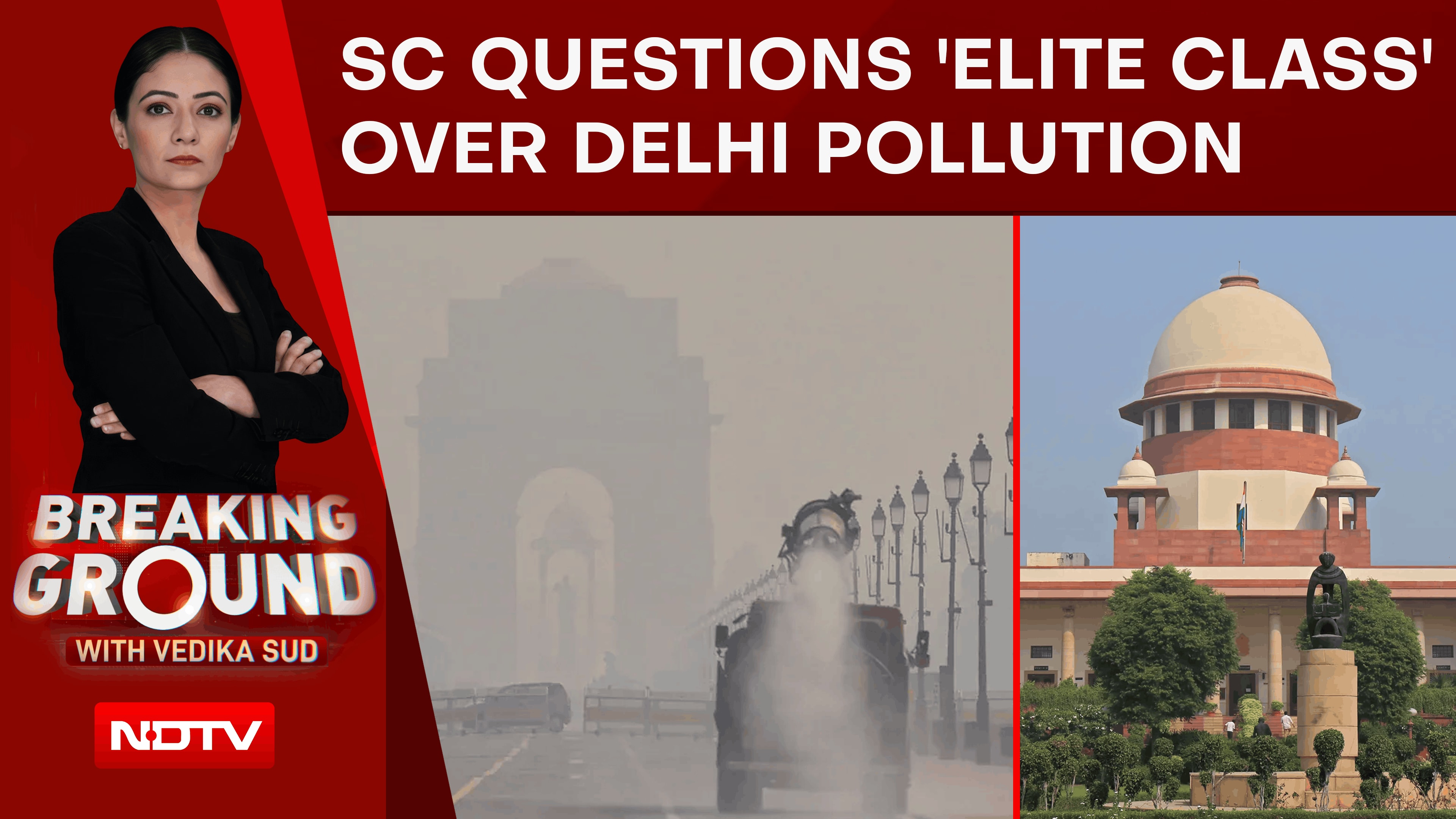
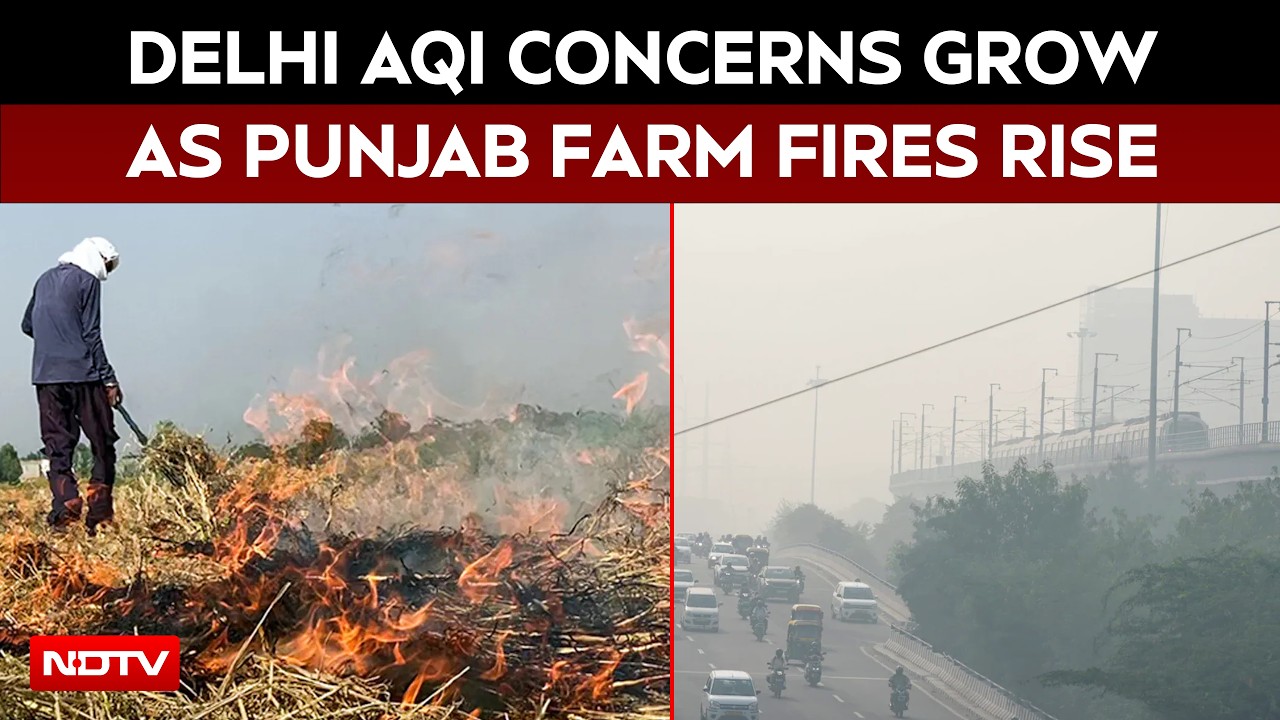
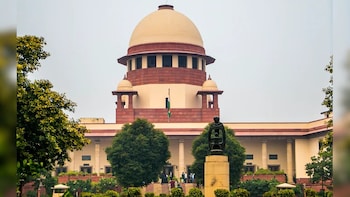
The Centre informed the Supreme Court about measures to control stubble burning and restrict polluting vehicles from entering Delhi.
दीवाली की चौखट पर दिल्ली में सांसों का संकट: 30 साल की स्टडी ने हरियाली को लेकर क्या बताया?
Thursday November 05, 2026अध्ययन में हरियाली की मात्रा के साथ उसके फैलाव और आपसी जुड़ाव को भी महत्वपूर्ण पाया गया. जिन इलाकों में हरियाली ज्यादा बिखरी हुई थी, वहां सतही तापमान अधिक रहा. इसके विपरीत, बड़े और आपस में जुड़े हरित क्षेत्रों में तापमान कम पाया गया.
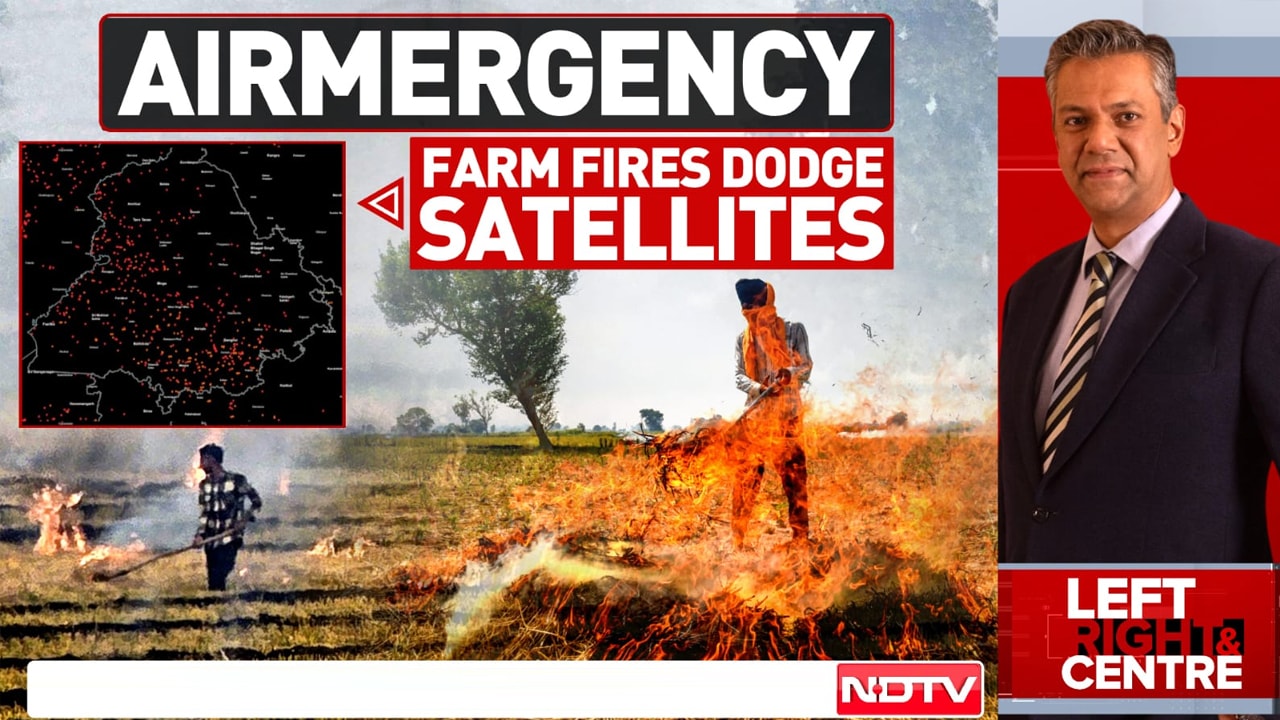
Opinion: Why Delhi's Smog Can't Be Fixed From SpaceDavid Fickling, Bloomberg
Monday October 19, 2026The clearest sign that Delhi is on a path to cleaner air would be a decline in the amount of paddy grown nearby, and therefore the acreage liable to be burned each year.
Don't Normalise Air Purifiers As Delhi Chokes | The Reason Why
Thursday December 11, 2025More than 90 cities in the world's top 100 polluting list are in India. With every passing year, the AQI is rising, reaching 'hazardous' levels.
Blog | Well Done, Delhi. You've Turned Lung Sacrifice Into A Badge Of HonourSaikat Kumar Bose
Monday November 10, 2025Till some years back, Delhiites would ask angry questions to those in power about the capitals annual tryst with toxic air. This has changed. Those in the driving seat dont see the need to answer now.
Opinion | Why Indians Have Just Given Up On Air Pollution CrisisTanushree Ganguly
Friday December 20, 2024While some may argue that people in Delhi are now more aware of air pollution than they were a decade back, my rebuttal would be that awareness does not mean that people are concerned.




