

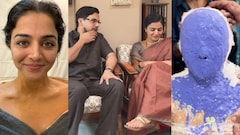
The actor wrote, "I still remember looking in the mirror for the first time... with prosthetics on my face and padding underneath my clothes, I could barely recognise myself. It was such a surreal feeling"
Women's Health: Here's an in-depth look into the health risks of sanitary products and what can be done to mitigate them.
Started in Auroville, Pondicherry in 2010, by Kathy and Jessaminjh, EcoFemme makes cloth pads that are good for women's bodies and also for the Earth
NGO Samajbandh works with middle-class, lower-middle-class and Adivasi or tribal women on menstrual health and education
Sachin, the founder of the NGO 'Samajbandh' in Pune urges people to donate their old clothes through social media.
When her monthly period comes, 17-year-old Maria Chaodza dismantles a home-made pillowcase and picks out pieces of its worn stuffing - an old, cloth rug - which she uses in place of the sanitary pad she cannot afford.
Organic cotton, banana or jute fibre and even old clothes are now among the alternatives of sanitary pads, but are not completely accessible as yet.
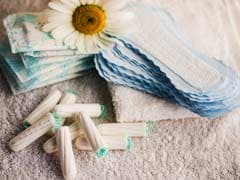
Sanitary napkins and tampons are not only harmful to the environment, they are harmful to you too.
Drown your worries as we have some easy cleaning hacks for you that work like magic for your pressure cooker. Save them for the next time you make a rich chicken curry or a fragrant biryani.
Thank You Participants
Habba is a non-profit initiative started in 2015 as an honest marketplace for artisans and weavers. It has been designed ground up to enhance the incomes of artisans and weavers and bridge the empathy gap between customers and artisans. Habba believes in 100% transparency and ensures that customers are aware of how their purchase impacts artisans and weavers.
Supported by Social Alpha, an initiative of Tata Trusts, Habba is an offshoot of Rang De - also a pioneering social enterprise. Since 2015, Habba has won several awards and recognition for its game changing efforts.
To support Habba’s mission with philanthropic capital or CSR funding, please write to support@habba.org
More than 160 lakh households are involved in handloom and the art and crafts sector, with over 80% of them living in rural areas. Each region of India has a rich legacy of art and craft that has been passed on from one generation to the other. However, the custodians of this legacy are now in dire straits. The pandemic and subsequent lockdowns have caused havoc in the lives of rural artisans and weavers. With no orders, and massive stockpiles of inventory, their livelihoods have come to a standstill. Many in fact, have turned to manual labour to sustain themselves and their families.
Handmade Dil Se is Habba’s attempt to bring back the demand for handmade in India and revive the livelihoods of artisans and weavers. Habba has curated surprise hampers from across India for you. The art hampers feature carefully curated art forms across Textiles (handwoven, and hand embroidered), Wooden, Metal, Earthy and Hand Painted handicrafts from across India. You can choose the art forms you want to support and buy these exquisite surprise hampers for yourself and your loved ones.
True to Habba’s unique principle of Honest Pricing, you will know exactly how much of your purchase value goes to the artisans. There are no hidden charges, no fine print.
Disclaimer*: NDTV is the broadcast partner for a 2-hour telethon with Habba as the implementation partner to rebuild livelihoods of rural artisans and weavers. The amount raised will be received by Habba Organisation and shall be utilized according to a plan prepared and monitored by them.
NDTV has no role to play in the amount raised and will not be liable for any claim(s) made by any person or entity, including any statutory or governmental authority, arising out of the collection or utilization of the amount raised.


