Here Is How Businesses Are Helping USHA Silai School Create New Livelihood Opportunities For Women In Need
With an aim to help the women from low-income families overcome their struggles, USHA Silai School partnered with NEEPCO (North Eastern Electric Power Corporation) - a power generation company in the North-Eastern region of the country, Dalmia Bharat Foundation- a not-for-profit organization under Dalmia Bharat Group and Alfa Laval- a Swedish Company found in 1883.
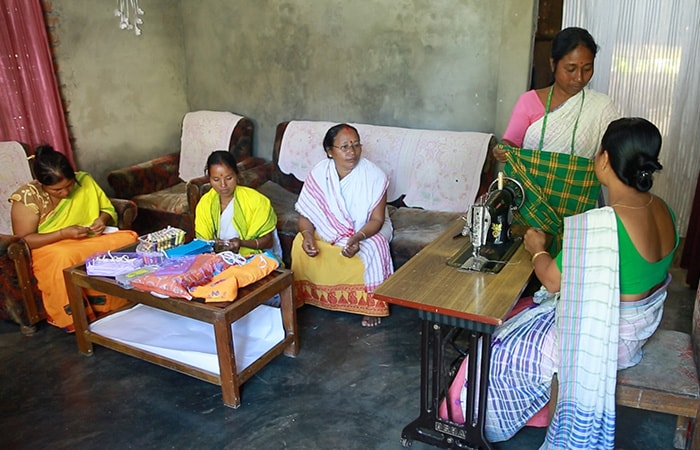
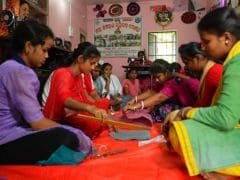
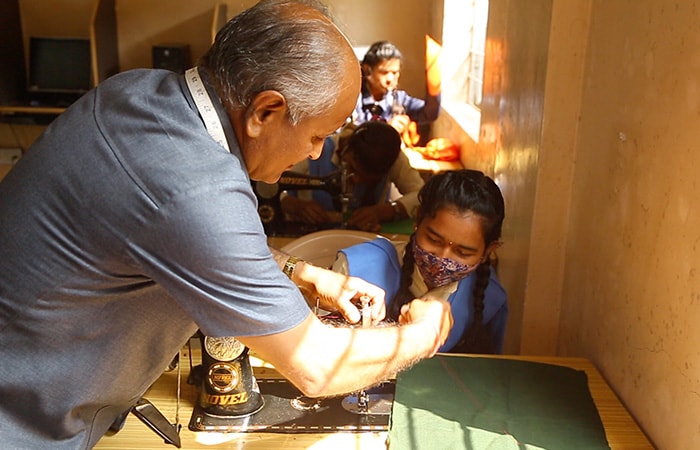
NEEPCO and USHA joined hands in the North East region of the country to build new livelihood opportunities for women in rural areas. As part of their CSR (Corporate Social Responsibility) programme, NEEPCO has helped many women by developing their skills in various techniques of stitching and encouraged them to become entrepreneurs.
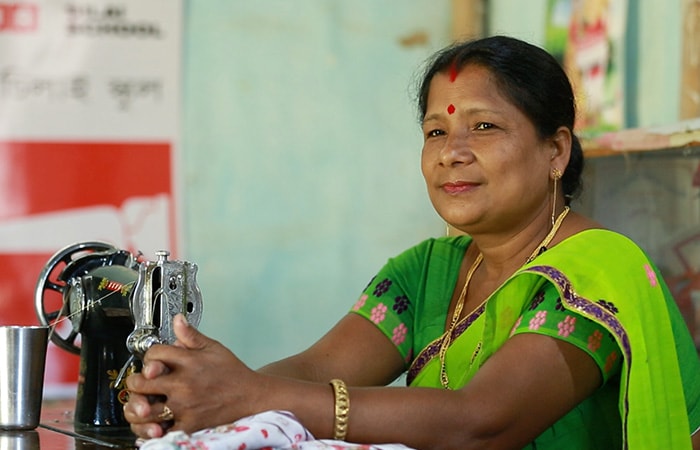
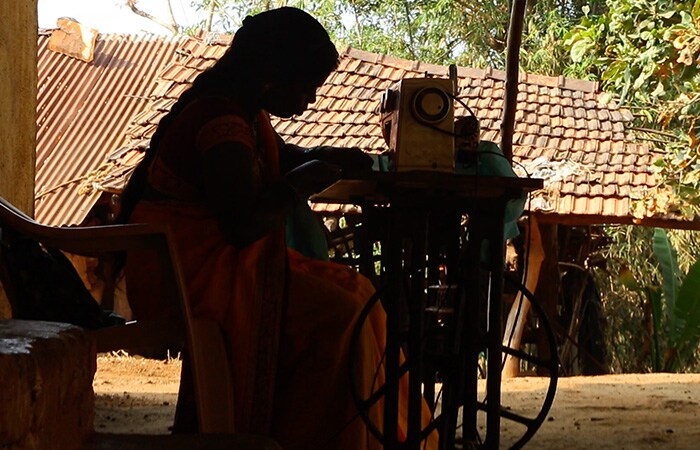
Rekhamoni Bora, a 45-year-old resident of a village is in Dibrugarh district of Assam is one of the beneficiaries of -NEEPCO-USHA partnership. She said to NDTV, 'We are a five-member family that was completely dependent on farming for a livelihood. But farming is not reliable and we struggled a lot. But I got a ray of hope when I got selected for USHA Silai School programme. The course was very helpful and now I am contributing to the household income with the help of the skill of stitching I leant at the silai school.'
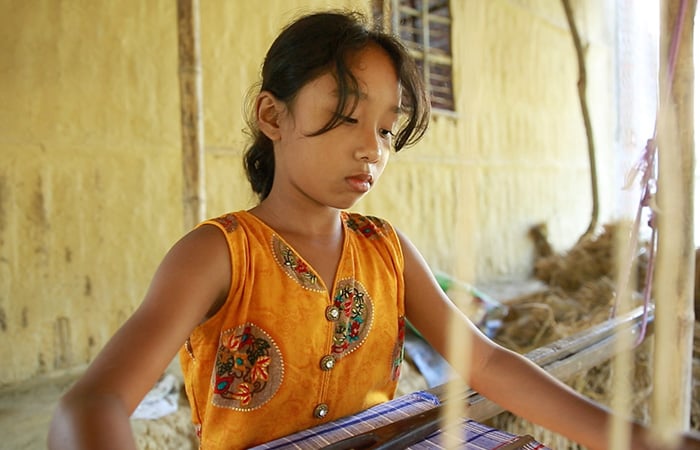
Ms. Bora who lives with her husband, two children and mother-in-law, is now able to earn Rs. 3500 per month on an average which is helping the family meet their livelihood expense to a great extent. She now passing on her learnings to her daughter with a hope of securing her future by teaching her a skill that she could use as a means of livelihood.
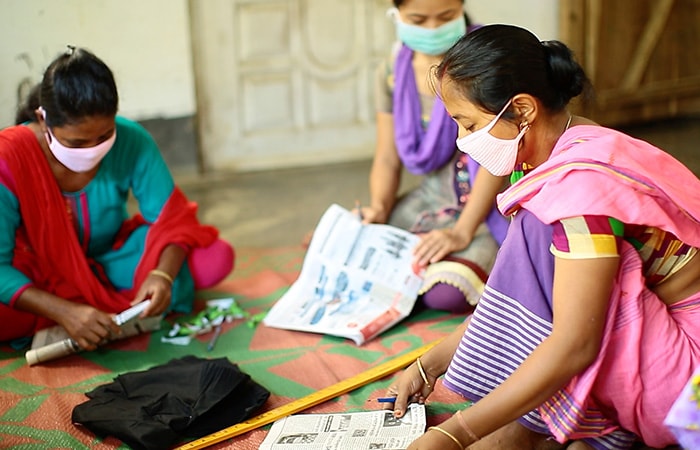
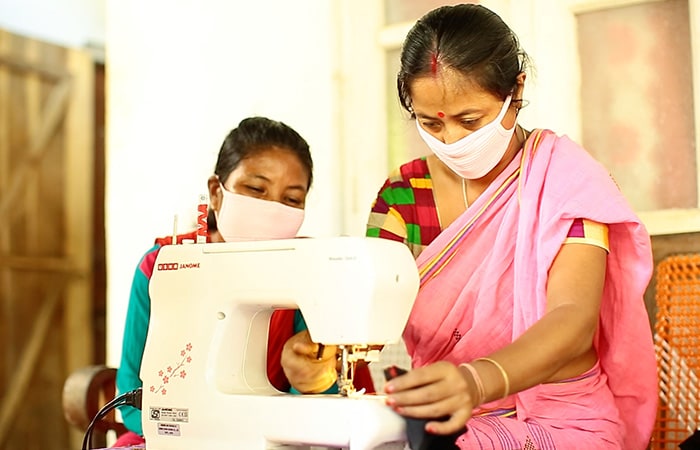
Benefitting from Dalmia-USHA collaboration is Binu Deka Doloi, who opened her own silai school in March 2018. This has changed the life of Ms Doloi who is married to a farmer. She said, 'Farming is not a fixed, steady source of income. We have recurring floods and dry seasons in the area. We lose crops in the extremely wet and extremely dry seasons because of which we struggled to meet our expenses when our crops fail which made it hard to feed the family and pay my daughter's school fee. Even if I cannot compensate entirely for crop losses, I earn enough to feed my family and pay my daughter's school fee.'
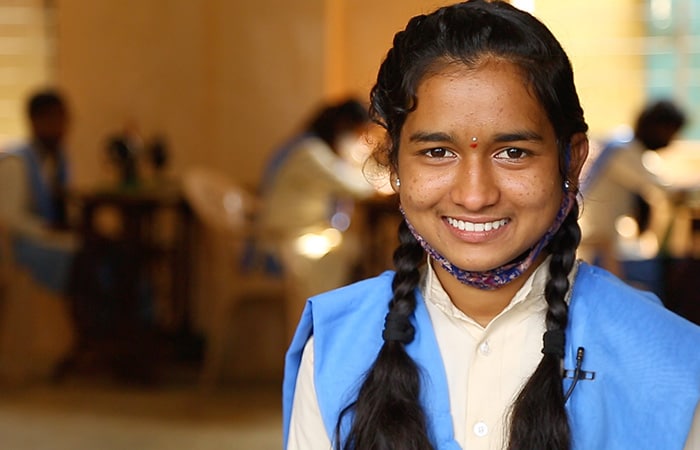
After developing skills of women of Assam in the Northeast, USHA Silai School initiative went to Maharashtra in the western peninsular region of the country. In Maharashtra, USHA collaborated with Alfa Laval and started a Training cum Production Centre' for the women of Velvand village in Pune district.
Do you want to be a part of the huge change that Usha Silai School is bringing about in the lives of millions of rural women? With just a simple click of a button, you can now contribute towards the opening of an Usha Silai School or support various other aspects of the school.
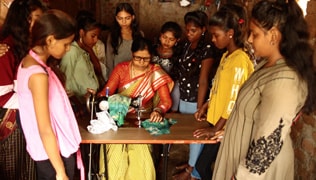
Kushalta Ke Kadam, an initiative by USHA Silai School and NDTV has entered its eighth season. The aim is to empower more women across rural India by teaching them sewing skills and helping them open new doors of opportunities for themselves. The initiative encourages rural women to become financially independent and entrepreneurs by taking up sewing and training others in their respective communities.
Since 2011, the USHA Silai School initiative has trained more than 12 lakh rural women through over 33,000 Silai schools, spanning over 20,751 villages across India.
The women earn Rs. 4,000 – 5,000 per month on an average, with the highest recorded monthly earning being Rs. 84,000 in a month. This earning works as a catalyst towards building their self-confidence, reducing gender inequities, and raising their stature within their families and in society at large.
 Team NDTV | Monday February 16, 2026
Odisha's Suchismita Sahu, Rajasthan's Preeti Prajapat, Manipur's Akhirun—Usha Silai School's Kushalta Ke Kadam celebrates these awardees, from homemakers to master trainers earning accolades
- Team NDTV | Thursday February 12, 2026
From Ladakh peaks to Assam fringes, Usha Silai School trains tribal women in Turtuk, Kargil & Dakhinkuchi—crafting livelihoods with armed forces, NHPC & NGOs. Stitching national resilience
- Team NDTV | Thursday January 29, 2026
From West Bengal's transgender tailors to Telangana's tribal seamstresses and Meghalaya's embroidery revivalists, Usha Silai School's Kushalta Ke Kadam partners with NIRDPR and state governments
- Team NDTV | Tuesday February 03, 2026
In Odisha's mining heartlands, Mahanadi Coalfields Limited teams with Usha Silai School's Kushalta Ke Kadam and Gram Utthan, empowering tribal women turning them into entrepreneurs
- Team NDTV | Wednesday January 07, 2026
From Madhya Pradesh's stigma to Bihar's child marriages, Usha Silai School's NDTV-backed Kushalta Ke Kadam empowers women like Kalpana and Shabnam to stitch dignity and self-reliance
- Written by Team NDTV | Friday January 02, 2026
Usha Silai Schools give second chances to women like Srinagar's Marifat, who rebuilt after widowhood; Madhya Pradesh's Jyoti, escaping abuse to run her own center; and Rajasthan's Vimla, rising from child marriage to tailor and teacher. Through nine-day training, they gain sewing skills, confidence, and income proving one stitch mends lives and inspires communities.