USHA Silai School Fulfills The Growing Demand For Training Through Master Trainers
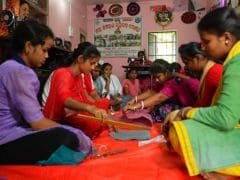
With the increasing number of silai schools across India, the USHA Silai School program required more quality trainers, hence came up with the concept of Master Trainers.
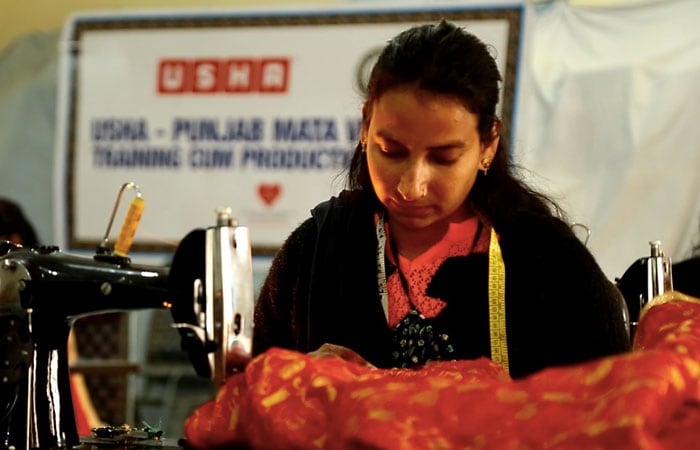
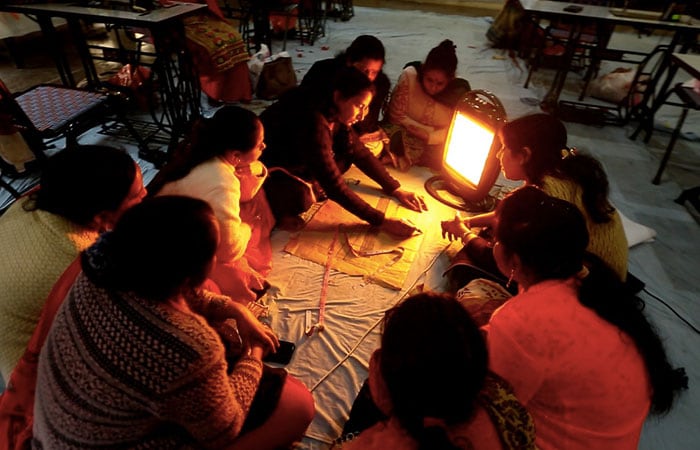
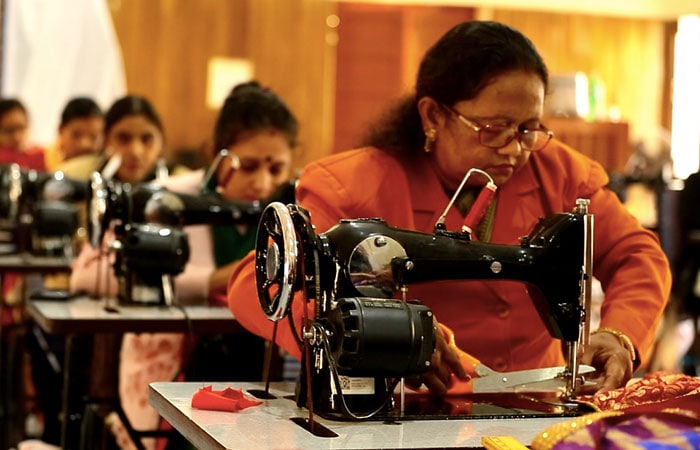
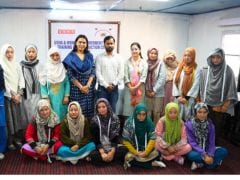
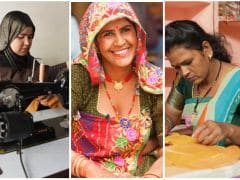
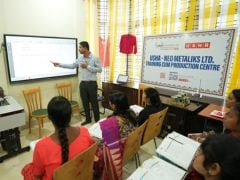
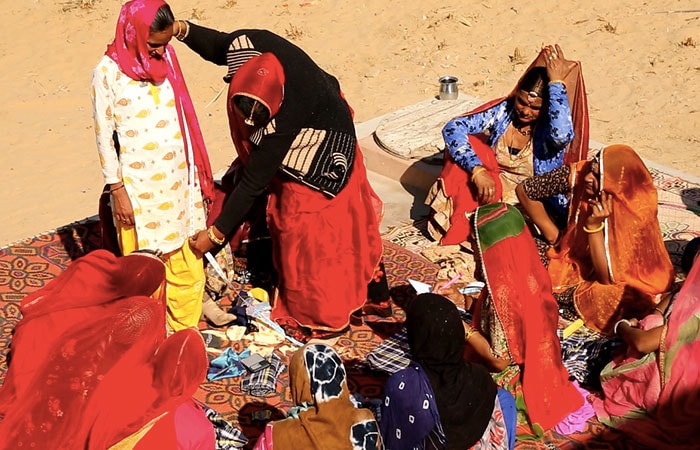
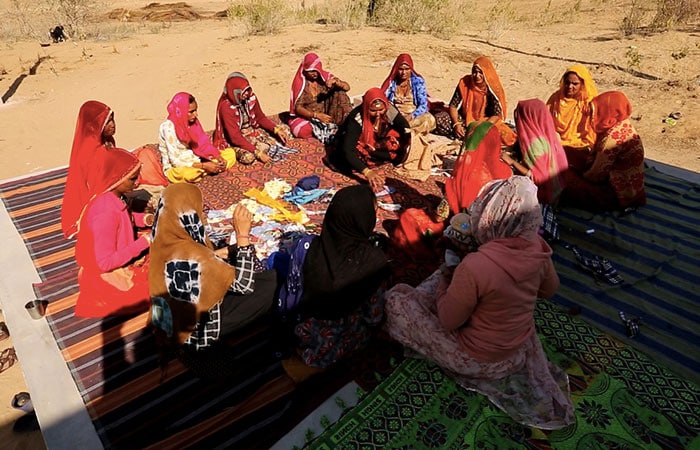
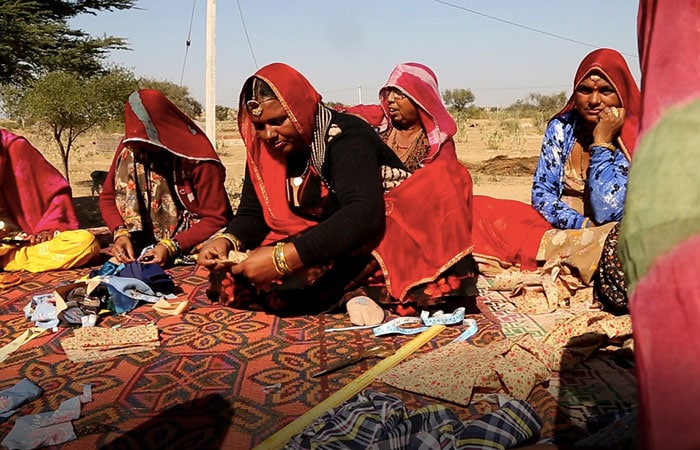
These village level Master Trainers are from amongst the women who have received training. Not only has this helped meet the ever increasing demand for training, it has also provided additional earning opportunities for the master trainers themselves. Being a part of the community, the Master Trainers are also best placed to provide training in the local language & connect well and bring out the best in their trainees.
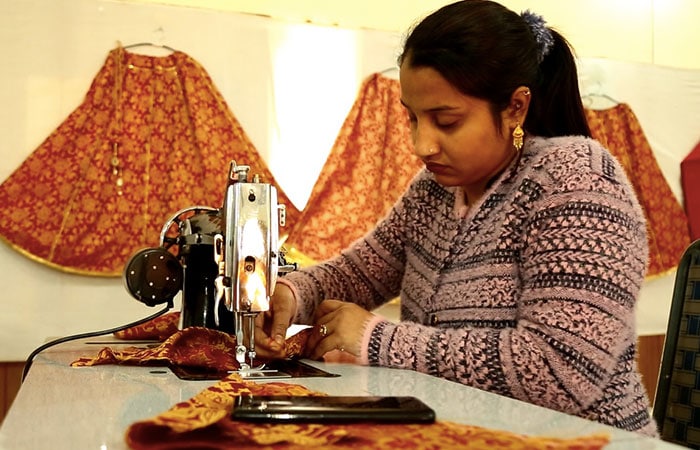
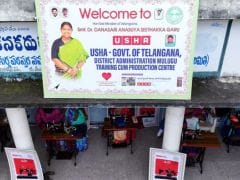
Master trainers have been selected from the existing Silai school teachers themselves to give them an additional opportunity to earn more. Master trainers are the ones who have shown excellent sewing competency and are more mobile and willing to travel and are also willing to help more women in other villages to learn how to stitch and sew.
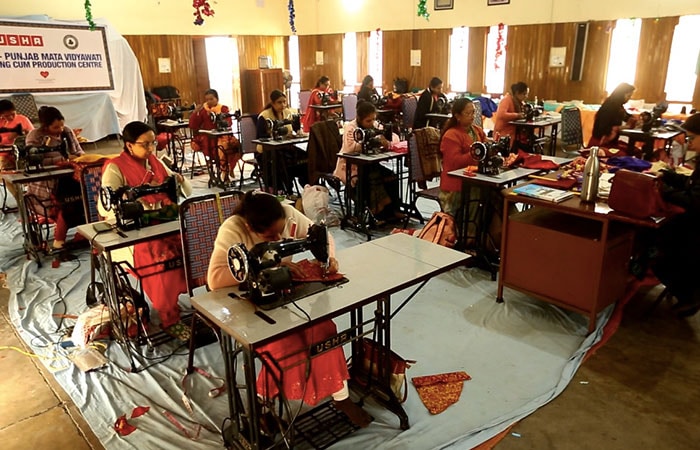
This initiative covers many aspects, like additional opportunity creation for women entrepreneurs, additional earning source for silai heros, the creation of a pool of regional sewing trainers, the development of an advanced-skilled workforce as master trainers, who are also role models in their communities.
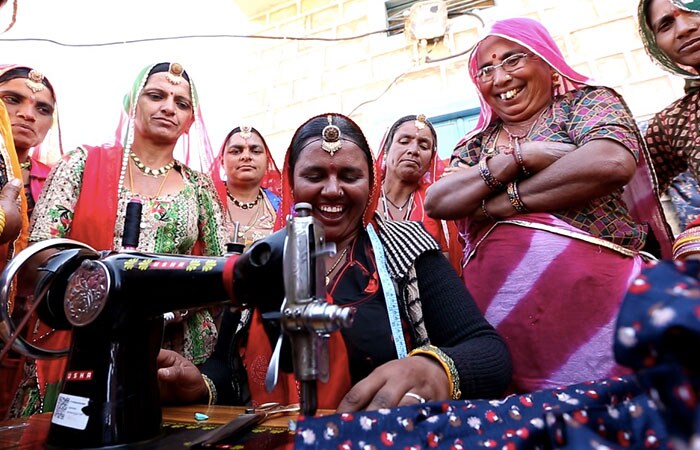
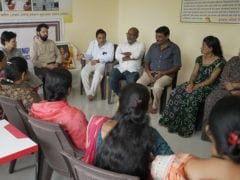
With more than 8 lakh trained women, or silai heroes, choosing who will become a Master Trainer is eventually decided by a selection process involving three aspects - Technical competencies like measurement skills, drafting, cutting and paper pattern making skills; Behavioral competencies like listening skills, ability to handle questions and learners, maintaining time and discipline; and an interview with the USHA Silai School team.
Do you want to be a part of the huge change that Usha Silai School is bringing about in the lives of millions of rural women? With just a simple click of a button, you can now contribute towards the opening of an Usha Silai School or support various other aspects of the school.
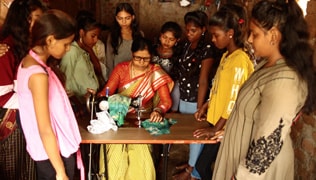
Kushalta Ke Kadam, an initiative by USHA Silai School and NDTV has entered its eighth season. The aim is to empower more women across rural India by teaching them sewing skills and helping them open new doors of opportunities for themselves. The initiative encourages rural women to become financially independent and entrepreneurs by taking up sewing and training others in their respective communities.
Since 2011, the USHA Silai School initiative has trained more than 12 lakh rural women through over 33,000 Silai schools, spanning over 20,751 villages across India.
The women earn Rs. 4,000 – 5,000 per month on an average, with the highest recorded monthly earning being Rs. 84,000 in a month. This earning works as a catalyst towards building their self-confidence, reducing gender inequities, and raising their stature within their families and in society at large.
 Team NDTV | Monday February 16, 2026
Odisha's Suchismita Sahu, Rajasthan's Preeti Prajapat, Manipur's Akhirun—Usha Silai School's Kushalta Ke Kadam celebrates these awardees, from homemakers to master trainers earning accolades
- Team NDTV | Thursday February 12, 2026
From Ladakh peaks to Assam fringes, Usha Silai School trains tribal women in Turtuk, Kargil & Dakhinkuchi—crafting livelihoods with armed forces, NHPC & NGOs. Stitching national resilience
- Team NDTV | Thursday January 29, 2026
From West Bengal's transgender tailors to Telangana's tribal seamstresses and Meghalaya's embroidery revivalists, Usha Silai School's Kushalta Ke Kadam partners with NIRDPR and state governments
- Team NDTV | Tuesday February 03, 2026
In Odisha's mining heartlands, Mahanadi Coalfields Limited teams with Usha Silai School's Kushalta Ke Kadam and Gram Utthan, empowering tribal women turning them into entrepreneurs
- Written by Team NDTV | Friday January 02, 2026
Usha Silai Schools give second chances to women like Srinagar's Marifat, who rebuilt after widowhood; Madhya Pradesh's Jyoti, escaping abuse to run her own center; and Rajasthan's Vimla, rising from child marriage to tailor and teacher. Through nine-day training, they gain sewing skills, confidence, and income proving one stitch mends lives and inspires communities.
- Team NDTV | Friday December 26, 2025
A new wave of corporate-community partnerships is equipping rural women with skills, income and confidence