
- Home/
- Threads Of Courage: Usha Silai School's Kushalta Ke Kadam Weaves Dreams Into Reality
Threads Of Courage: Usha Silai School's Kushalta Ke Kadam Weaves Dreams Into Reality
Team NDTV | Updated: January 07, 2026 15:34 IST
New Delhi:
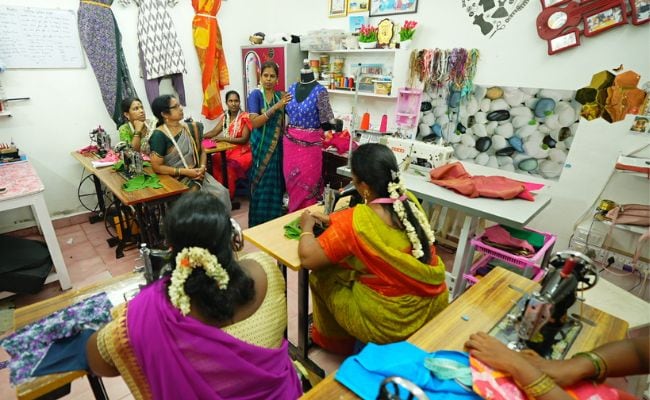
In the dusty lanes of Ashoknagar, Madhya Pradesh, Kalpana clutches her sewing machine pedal, her fingers steady where fear once trembled. Once shackled by the Bedia community's dark customs—where young girls faced forced exploitation—she now threads needles that stitch dignity into her life. The Usha Silai School's Kushalta Ke Kadam campaign, powered by NDTV, ignited this change, transforming her from invisible to indispensable.
Breaking Chains in Bihar
Across borders in Kishanganj, Shabnam Parveen pedals through her past of child marriage, her foot firm on the treadle that powers her dreams. Rescued and retrained by Usha Silai School in partnership with Jan Nirman Kendra, she turned informal stitches into a formal enterprise, funding her BA studies and teaching neighbors. Kushalta Ke Kadam spotlights these warriors, saluting over 36,000 women nationwide who weave self-reliance from simple fabric.
Stitching Pride in Puducherry
Praveenamary's Basilica centre in Ezhil Nagar hums with six trainees mastering salwar suits and upcycled sarees. A homemaker turned entrepreneur, she credits Usha's nine-day training, machine kit, and family involvement for her ₹10,000 monthly income and 41 empowered mentees. Her husband's wall-painting support mirrors the campaign's ethos: when families unite, barriers unravel.
Threads of Transformation
Kushalta Ke Kadam, a multi-season NDTV collaboration with Usha Silai School, salutes these stories—from Madhya Pradesh's Training Cum Production Centres tackling stigma to Bihar's home-based schools defying patriarchy. Partners like Apparel Sector Skill Council and NABARD amplify reach, blending skill with social reform for marginalized voices. Women like Poorvi, who mastered machines in 15 days, prove one stitch breaks generational chains.
A Nation Sewn Anew
Over 36,000 entrepreneurs now thrive, their machines humming economic independence and community revival. Usha Silai School's model—training, certification, market links—fuels this, with NDTV's lens inspiring adoptions via ushasilaischool.com. In Kushalta Ke Kadam, every pedal press echoes: skills stitch possibilities, unstitching barriers forever.
Published: January 07, 2026 15:32 IST
 Team NDTV | Thursday January 29, 2026
From West Bengal's transgender tailors to Telangana's tribal seamstresses and Meghalaya's embroidery revivalists, Usha Silai School's Kushalta Ke Kadam partners with NIRDPR and state governments
- Team NDTV | Thursday January 29, 2026
In Odisha's mining heartlands, Mahanadi Coalfields Limited teams with Usha Silai School's Kushalta Ke Kadam and Gram Utthan, empowering tribal women turning them into entrepreneurs
- Team NDTV | Wednesday January 07, 2026
From Madhya Pradesh's stigma to Bihar's child marriages, Usha Silai School's NDTV-backed Kushalta Ke Kadam empowers women like Kalpana and Shabnam to stitch dignity and self-reliance
- Written by Team NDTV | Friday January 02, 2026
Usha Silai Schools give second chances to women like Srinagar's Marifat, who rebuilt after widowhood; Madhya Pradesh's Jyoti, escaping abuse to run her own center; and Rajasthan's Vimla, rising from child marriage to tailor and teacher. Through nine-day training, they gain sewing skills, confidence, and income proving one stitch mends lives and inspires communities.
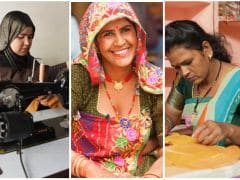
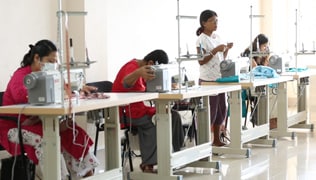
Do you want to be a part of the huge change that Usha Silai School is bringing about in the lives of millions of rural women? With just a simple click of a button, you can now contribute towards the opening of an Usha Silai School or support various other aspects of the school.
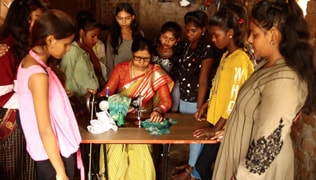
Kushalta Ke Kadam, an initiative by USHA Silai School and NDTV has entered its eighth season. The aim is to empower more women across rural India by teaching them sewing skills and helping them open new doors of opportunities for themselves. The initiative encourages rural women to become financially independent and entrepreneurs by taking up sewing and training others in their respective communities.
Since 2011, the USHA Silai School initiative has trained more than 12 lakh rural women through over 33,000 Silai schools, spanning over 20,751 villages across India.
The women earn Rs. 4,000 – 5,000 per month on an average, with the highest recorded monthly earning being Rs. 84,000 in a month. This earning works as a catalyst towards building their self-confidence, reducing gender inequities, and raising their stature within their families and in society at large.
Kushalta ke Kadam: Aiming for Independence Through Stitching
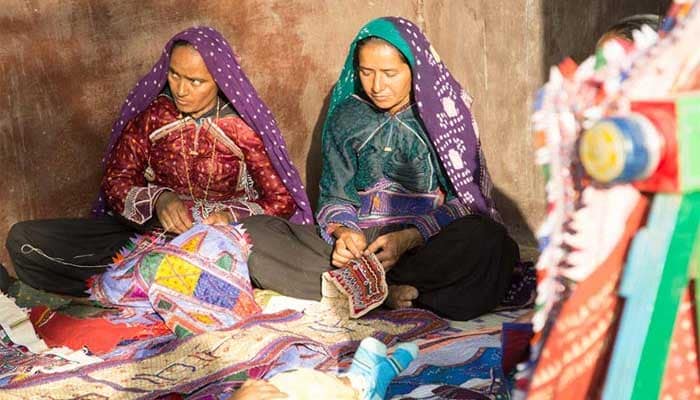
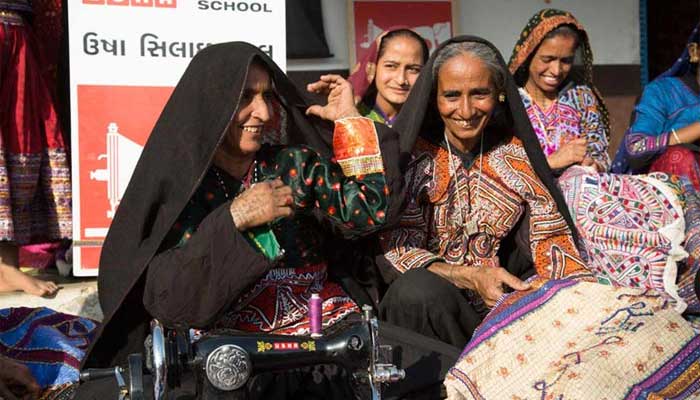
Rebari girls grow up learning traditional embroidery, which along with their new found sewing skills developed at Usha Silai Schools, is helping them earn a living.
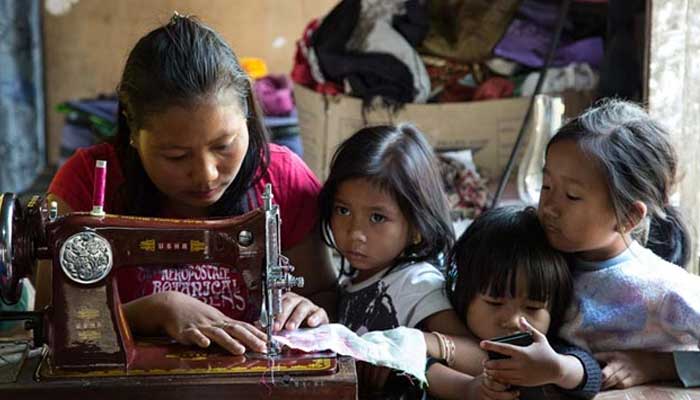
Usha Silai School has empowered many rural women to support their family and send their children to school.
The Usha Silai School, established in a small nondescript village that goes by the name of Kottai, is helping empower people from varied communities.
The all-inclusive Usha Silai School Programme covers the entire nation from hamlets tucked between hills to villages cast by the sea.
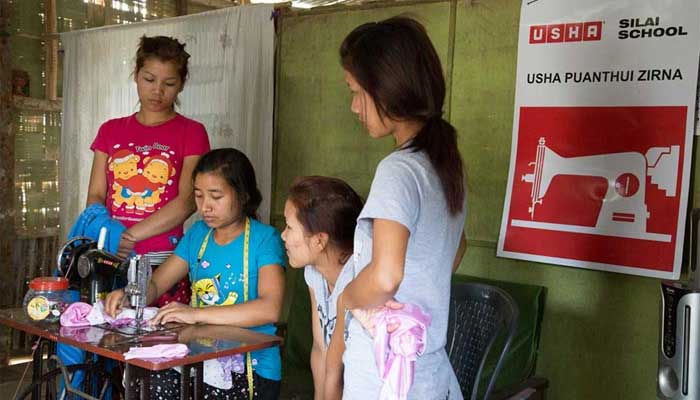
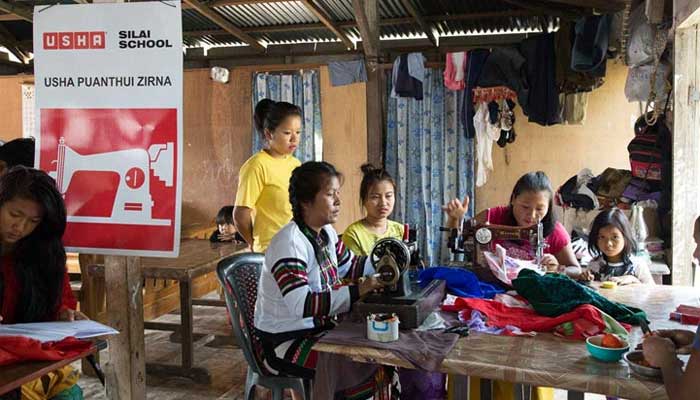
Vegetables farmers from the Mizoram hills earn very little given the topography of the area. Usha Silai Schools have played an important part in this region by skilling women to financially contribute towards their households.
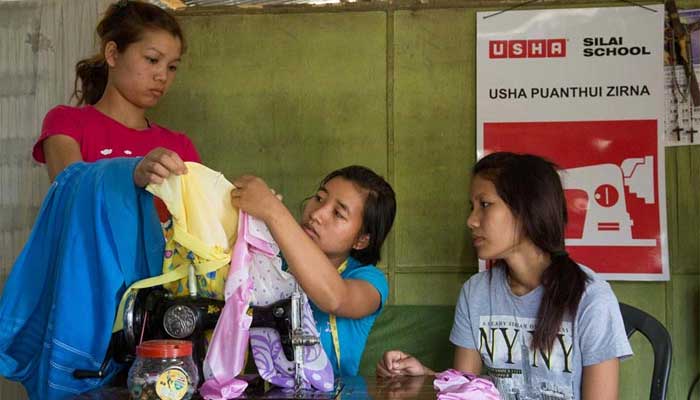
Usha Silai School learner Lucy has trained seven other women in her community, helping them to become financially independent.
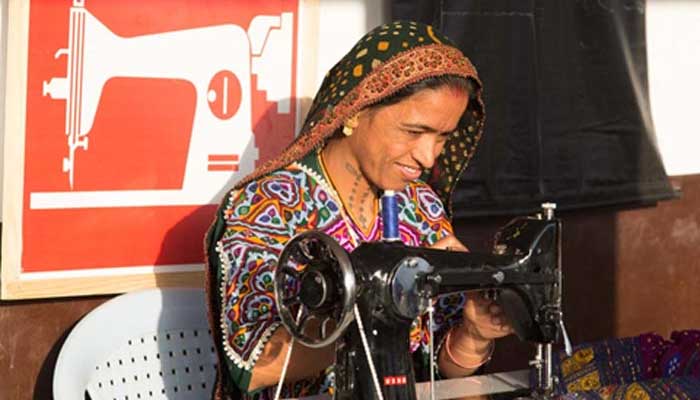
Women like Kaviben from the nomadic Rebari community are finally laying down their roots as they begin to gain financial independence and thereby stability through Usha Silai School.
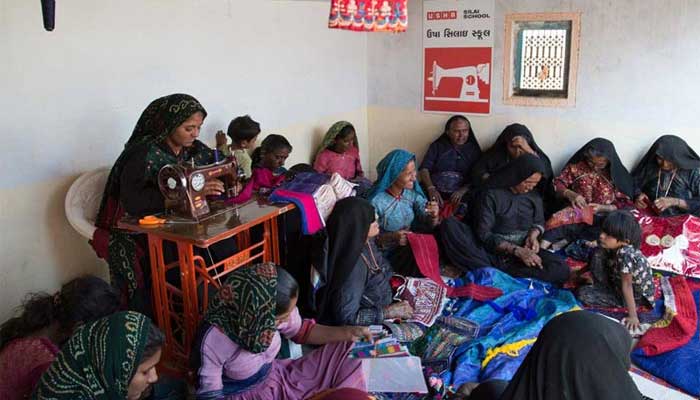
Usha Silai School, located in the Gujarat's Bhuj village, is enabling rural women to earn as much as Rs. 2,500-4,000 each month.
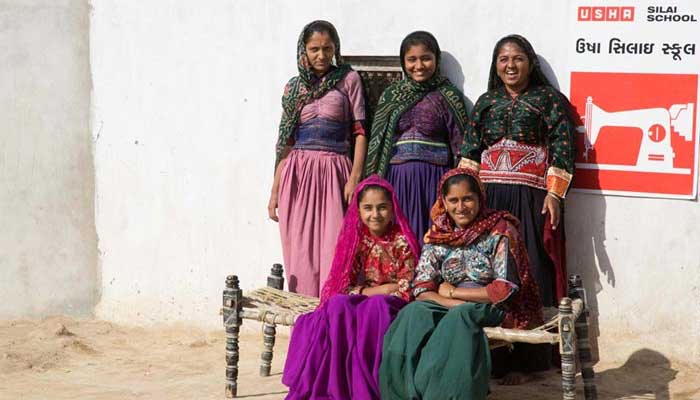
Usha Silai School, in association with a Gujarat based NGO called Kala Raksha, is trying to bring about a Silai revolution in Bhuj.
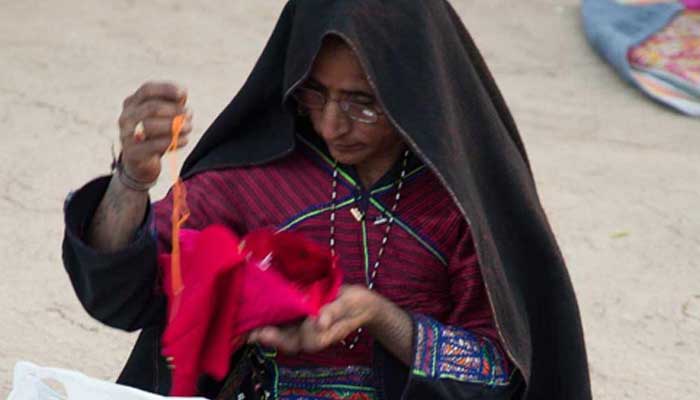
Besides training other women from their community, many Usha Silai School learners have become entrepreneurs in their own right.
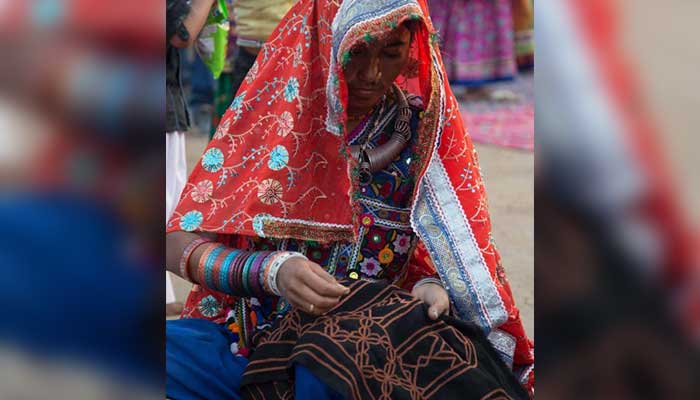
With sewing becoming easily accessible and lucrative, the silai schools are also helping revive traditional motifs and designs.