
- Home/
- USHA Is Reviving And Promoting Jharkhand's Traditional Sports 'Archery'
USHA Is Reviving And Promoting Jharkhand's Traditional Sports 'Archery'
Team NDTV | Updated: December 02, 2022 15:34 IST
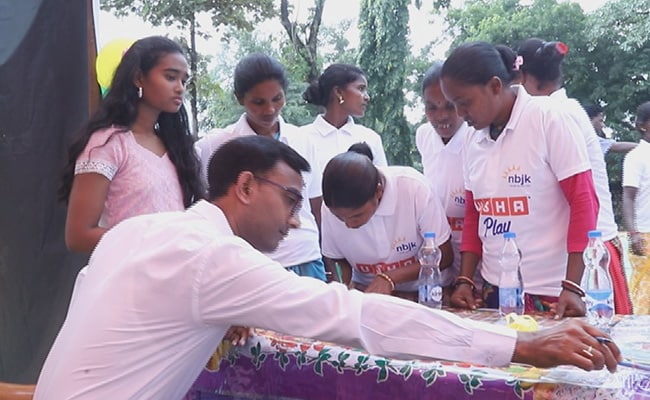
In many parts of the country now USHA has played a key role in nurturing a sports culture, especially indigenous sports, with the involvement of the women of the USHA Silai Schools – an initiative that empowers women in villages by first teaching them sewing skills, and then encouraging them to turn entrepreneurs. Not only does this twin approach help break gender barriers, and encourage community participation in sports, here in Jharkhand it is also helping revive the traditional sport of archery.
In Pics: Through USHA Silai Schools, Women Entrepreneurs Are Generating Jobs And Providing Livelihoods
The Priyaposh Mission, in a remote part of Simdega district, played host to an archery competition for people of all age groups. It created a buzz in the neighbouring villages and attracted people in large numbers – most of whom were renewing their association with archery after ages, but had ample enthusiasm for just participating in the event.
Most of those associated with this initiative say that with archery a woman automatically gets the support, not only of the older lot, but also younger family members, who are very keen to participate. For local villagers, it isn't just a way of staying in touch with their traditions, but it also creates an atmosphere of fun. This bonding fosters a sense of community, which is always necessary for the well-being and overall development of a community.
With over 100 men and women participating in the archery tournament, this initiative has provided sports & livelihood training a common platform, while also building goodwill and a sense of participation amongst the local community. And that is the ultimate aim of USHA's support to India's indigenous sports.
Watch: USHA Silai School Trainee Metilda Mary Gets A Fresh Start At Life
Published: December 02, 2022 15:27 IST
 Team NDTV | Monday February 16, 2026
Odisha's Suchismita Sahu, Rajasthan's Preeti Prajapat, Manipur's Akhirun—Usha Silai School's Kushalta Ke Kadam celebrates these awardees, from homemakers to master trainers earning accolades
- Team NDTV | Thursday February 12, 2026
From Ladakh peaks to Assam fringes, Usha Silai School trains tribal women in Turtuk, Kargil & Dakhinkuchi—crafting livelihoods with armed forces, NHPC & NGOs. Stitching national resilience
- Team NDTV | Thursday January 29, 2026
From West Bengal's transgender tailors to Telangana's tribal seamstresses and Meghalaya's embroidery revivalists, Usha Silai School's Kushalta Ke Kadam partners with NIRDPR and state governments
- Team NDTV | Tuesday February 03, 2026
In Odisha's mining heartlands, Mahanadi Coalfields Limited teams with Usha Silai School's Kushalta Ke Kadam and Gram Utthan, empowering tribal women turning them into entrepreneurs
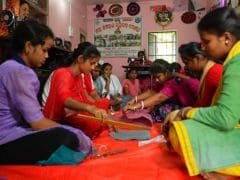
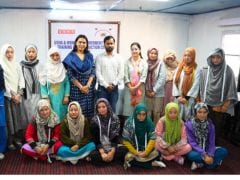
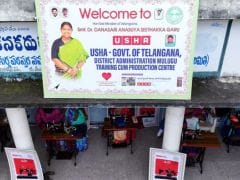
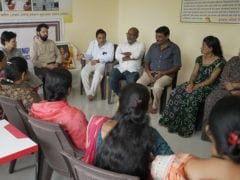
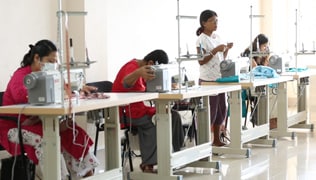
Do you want to be a part of the huge change that Usha Silai School is bringing about in the lives of millions of rural women? With just a simple click of a button, you can now contribute towards the opening of an Usha Silai School or support various other aspects of the school.
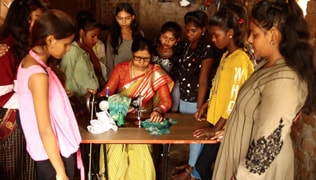
Kushalta Ke Kadam, an initiative by USHA Silai School and NDTV has entered its eighth season. The aim is to empower more women across rural India by teaching them sewing skills and helping them open new doors of opportunities for themselves. The initiative encourages rural women to become financially independent and entrepreneurs by taking up sewing and training others in their respective communities.
Since 2011, the USHA Silai School initiative has trained more than 12 lakh rural women through over 33,000 Silai schools, spanning over 20,751 villages across India.
The women earn Rs. 4,000 – 5,000 per month on an average, with the highest recorded monthly earning being Rs. 84,000 in a month. This earning works as a catalyst towards building their self-confidence, reducing gender inequities, and raising their stature within their families and in society at large.
Kushalta ke Kadam: Aiming for Independence Through Stitching
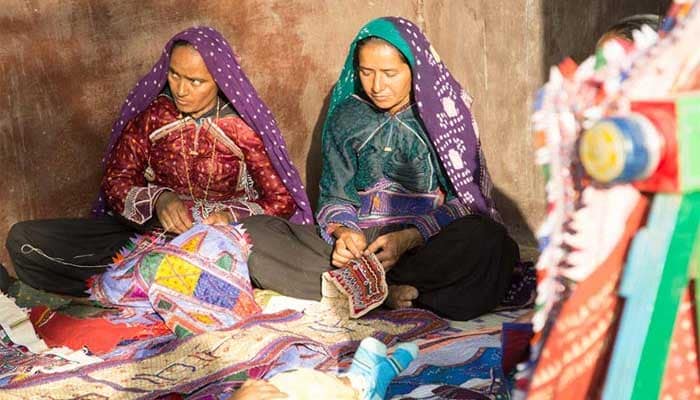
Rebari girls grow up learning traditional embroidery, which along with their new found sewing skills developed at Usha Silai Schools, is helping them earn a living.
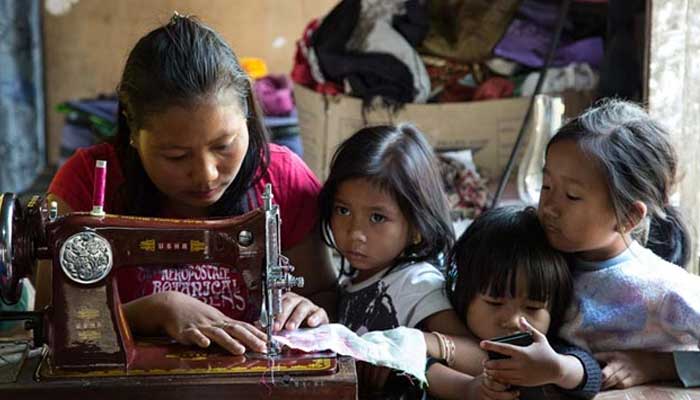
Usha Silai School has empowered many rural women to support their family and send their children to school.
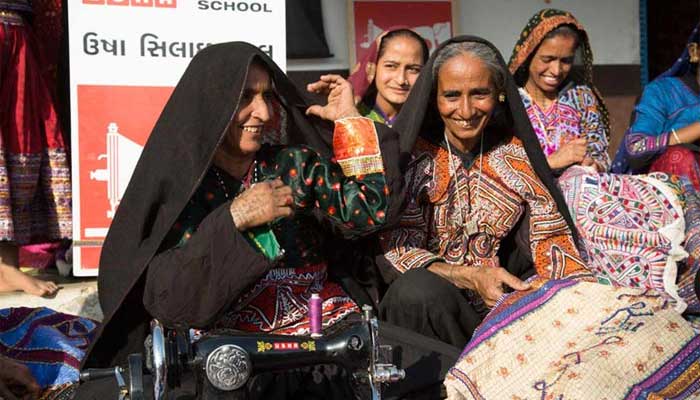
The Usha Silai School, established in a small nondescript village that goes by the name of Kottai, is helping empower people from varied communities.
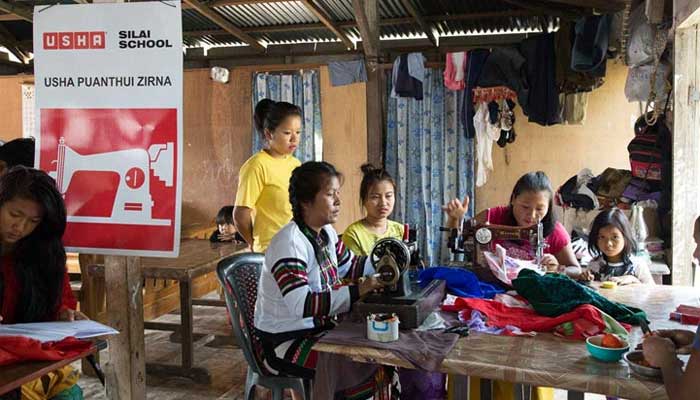
The all-inclusive Usha Silai School Programme covers the entire nation from hamlets tucked between hills to villages cast by the sea.
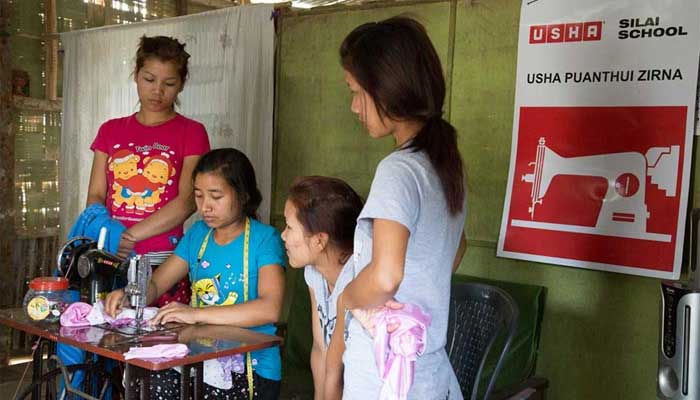
Vegetables farmers from the Mizoram hills earn very little given the topography of the area. Usha Silai Schools have played an important part in this region by skilling women to financially contribute towards their households.
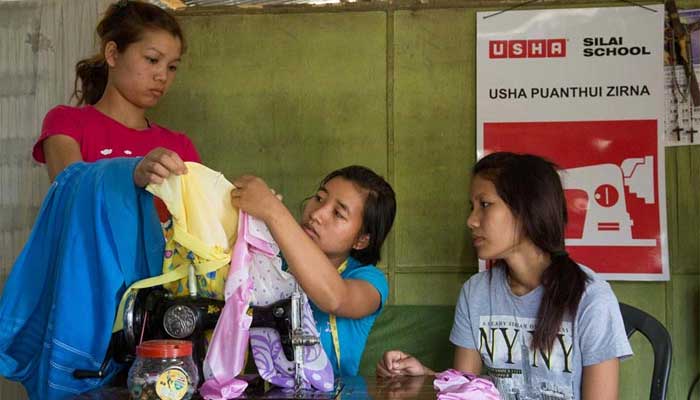
Usha Silai School learner Lucy has trained seven other women in her community, helping them to become financially independent.
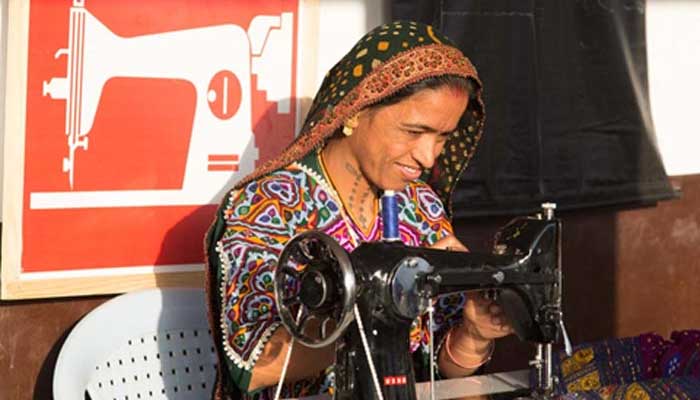
Women like Kaviben from the nomadic Rebari community are finally laying down their roots as they begin to gain financial independence and thereby stability through Usha Silai School.
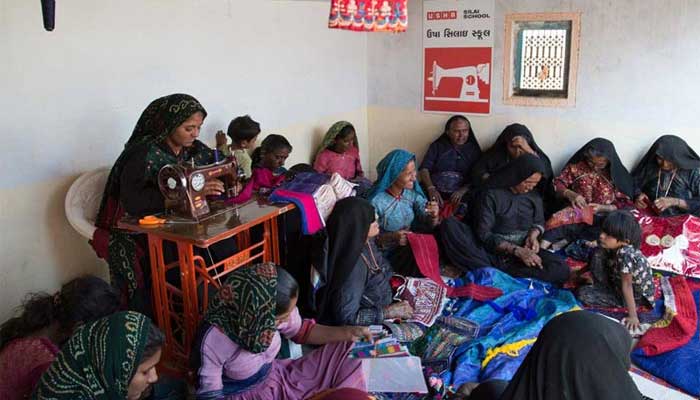
Usha Silai School, located in the Gujarat's Bhuj village, is enabling rural women to earn as much as Rs. 2,500-4,000 each month.
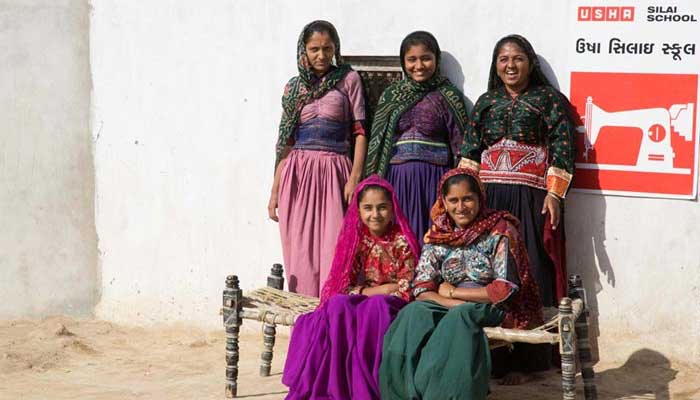
Usha Silai School, in association with a Gujarat based NGO called Kala Raksha, is trying to bring about a Silai revolution in Bhuj.
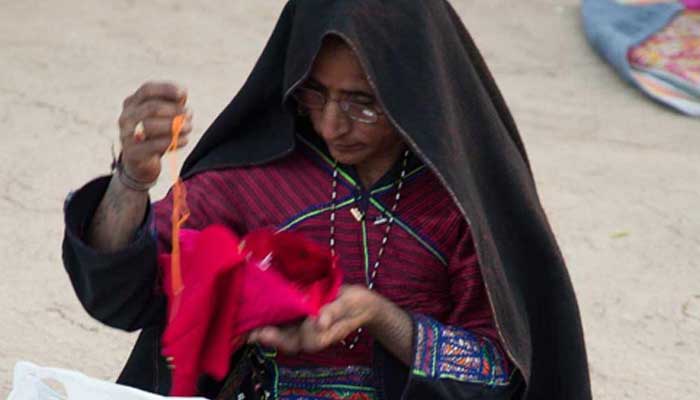
Besides training other women from their community, many Usha Silai School learners have become entrepreneurs in their own right.
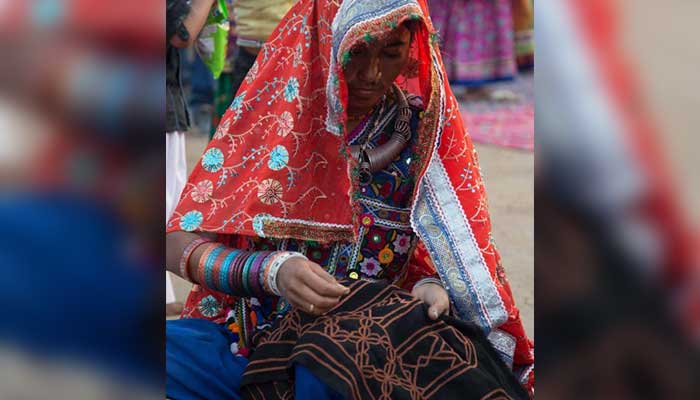
With sewing becoming easily accessible and lucrative, the silai schools are also helping revive traditional motifs and designs.
