- Home/
- On India's 'No Press' Request, Sources Cite Trump's "Unpredictable Behaviour"
On India's 'No Press' Request, Sources Cite Trump's "Unpredictable Behaviour"
Highlights
- Discussions on VVIP visit arrangements ensure clarity of schedules and proceedings, sources said
- India preferred no press interaction during PM Narendra Modi and Donald Trump's G7 meet, Sergio Gor said
- Gor, the US envoy to India, said he informed Trump of India's request to avoid questions during the event
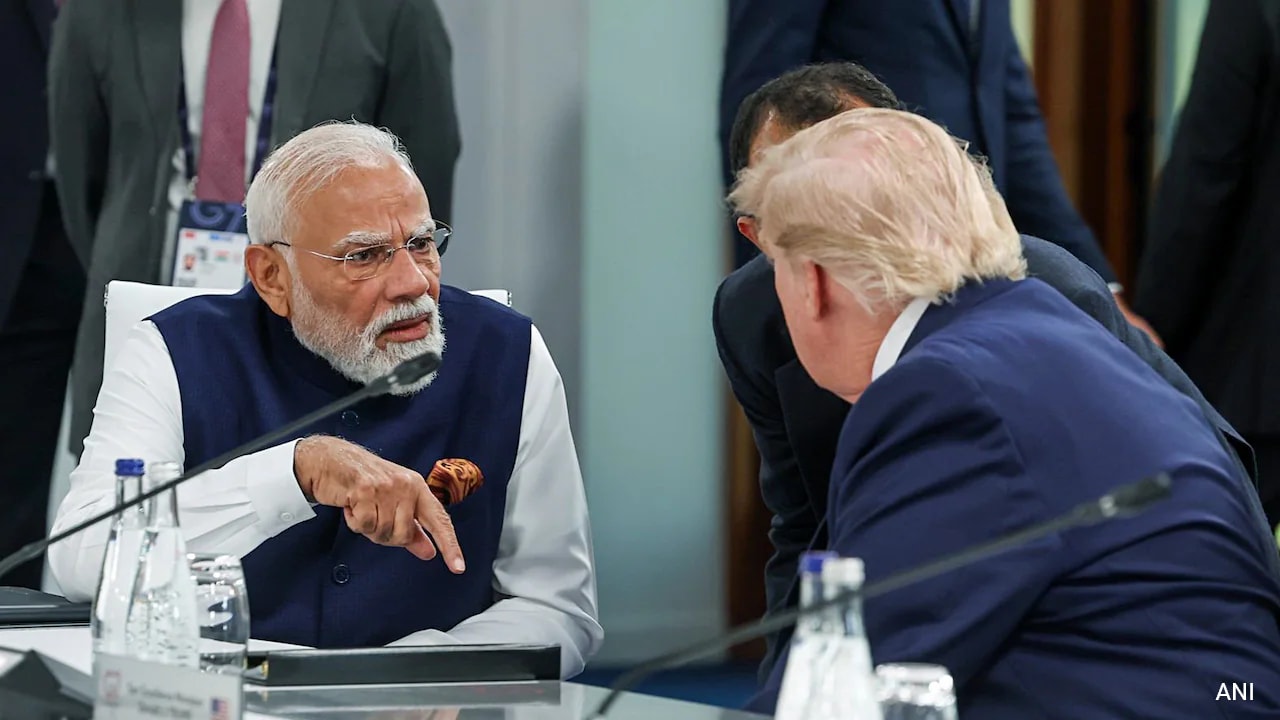
It's a standard practice to discuss matters linked to visits of VVIPs and convey them to the other side to ensure clarity of the schedules and proceedings, people with direct knowledge of the matter told NDTV, following comments by US Ambassador to India Sergio Gor who said the Indian side communicated to them that it would prefer not to hold an interaction with the press before Prime Minister Narendra Modi and President Donald Trump met in June on the sidelines of the G7 Summit in France.
Delegations while meeting the US president are often wary of his "unpredictable behaviour", as may be seen from his interactions with the presidents of South Africa, Ukraine, etc which was why India took a cautious approach, sources said.
Gor made the remarks at a media event. He said he had explained to Trump the request by India ahead of the meeting with PM Modi, but Trump eventually ended up asking the reporters who had gathered there: "Any questions?"
"We were behind the scenes, behind the stage, and at one point it was just the president and I, and he asked me what the Indians are going to raise. We went over some topics. And he said, 'do they have any questions?' The MEA had one. I told the president the Indians prefer no questions. He said, 'sure, no problem'," Gor said.
Nevertheless, Trump ended up saying "any questions" to the reporters who had gathered there, opening the room to a full press conference.
"Discussions regarding arrangements for public appearances of leaders are normal practice ahead of any VVIP visit. In this regard, the Indian side communicated its standard practice for such visits," people familiar with the matter told NDTV.
The two leaders met just days after Indian sailors were killed in a US military strike during its war with Iran. The prime minister had pointed at the human cost of disruptions in the Strait of Hormuz and called for protection of maritime trade routes.
Though PM Modi did not directly mention that particular incident, his comments underlined India's concerns about the safety of civilian crews operating in conflict zones and the economic consequences of disruptions to maritime commerce.
................................ Advertisement ................................

Opinion: China Has Helped India's Cause With TrumpMihir Sharma, Bloomberg
Thursday June 29, 2017Very little was expected in India from Prime Minister Narendra Modi's visit to the U.S., and for good reason: Modi had gone out of his way to cultivate a personal relationship with Barack Obama, including famously pouring out a cup of tea for him and the cameras when Obama visited India.
Opinion: Modi's US Speech Was Letter Perfect, Ticked Off Every BoxAshok Malik
Friday June 10, 2016Without taking recourse to the old wailing sheet and cribbing to everyone about Islamabad, Modi has devised a mechanism to shape the debate to India's advantage.
Opinion: Modi Ignored Advice To Make Obama Squirm. It Has Paid Off.Jyoti Malhotra
Saturday June 04, 2016The visit to the US in the coming week, in fact, brings Obama's relationship with both Modi and India full circle.
Blogs: कादम्बिनी के कीबोर्ड से : क्या परमाणु करार पर पीछे हटे हम?
Sunday February 08, 2015असल में परमाणु रिएक्टरों में हादसे की सूरत में जो हर्जाना होगा, वह रिएक्टर चलाने वाले को यानि ऑपरेटर को देना होगा। कानून में यह प्रावधान है कि अगर ऑपरेटर चाहे तो वह सामान और ईंधन आपूर्ति करने वाले पर हर्जाने के लिए दावा कर सकता है। लेकिन यहां पर समझने वाली बात यह है कि ऑपरेटर कौन होगा।
Opinion: Mani-Talk: Modi is Turning Us into America's New PakistanMani Shankar Aiyar
Thursday February 12, 2015In "Cold War II", battlefield could be India, writes Mani Shankar Aiyar.
Opinion: Obama Had Pointed Message for Modi 2.0Shashi Tharoor
Wednesday January 28, 2015Clear warning that PM will fail if he reverts to Modi 1.0, writes Shashi Tharoor.
Opinion: What Pakistan Makes of Obama-Modi ChemistryMehr Tarar
Tuesday January 27, 2015Acceptance of Modi's goal-oriented leadership, writes Mehr Tarar.