




- Home/
- Sudden, Unexpected Rains And Weather Change Can Mess With Your Health: Risks, Safety Tips And Warning Signs
Sudden, Unexpected Rains And Weather Change Can Mess With Your Health: Risks, Safety Tips And Warning Signs
Written by Shreya Goswami | Updated: March 23, 2026 10:59 IST
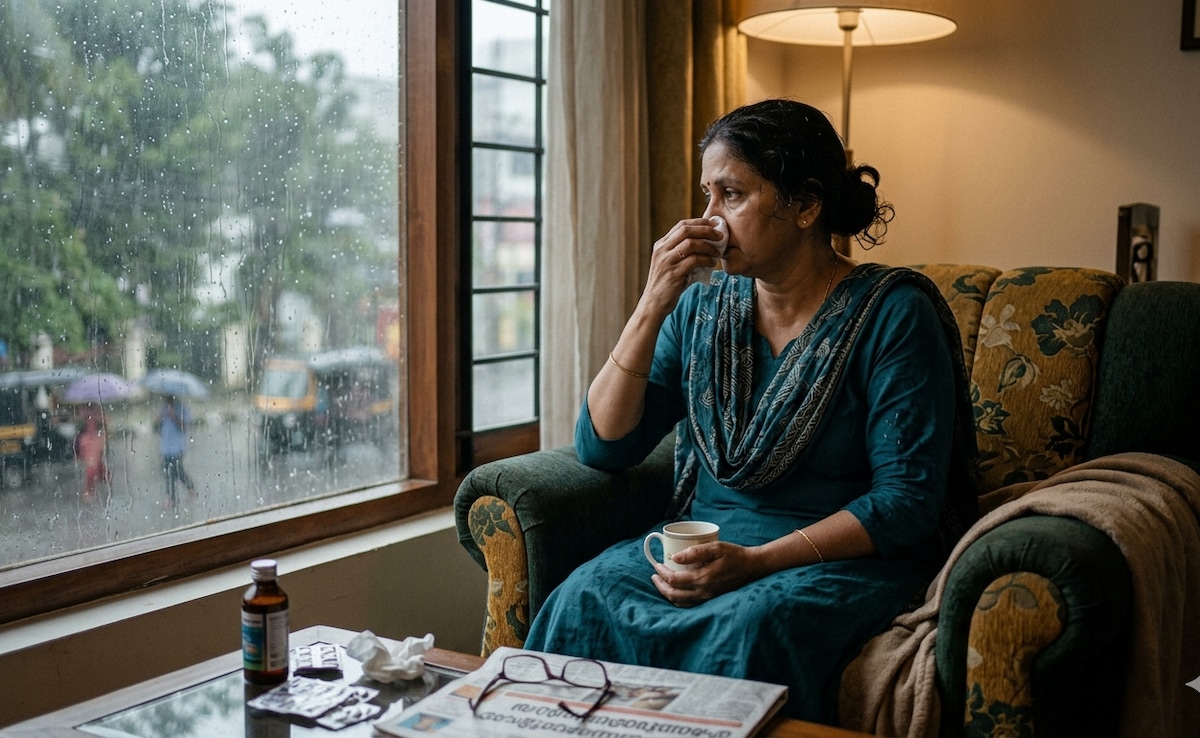
Delhi-NCR has witnessed sudden rains since last week, which can impact health
Highlights
- Rapid shifts in weather worsen respiratory, cardiovascular, and immune system conditions
- Vulnerable groups include children, elderly, and those with chronic diseases
- Precautions include hydration, dressing in layers, and monitoring air quality
Delhi-NCR residents are no strangers to sudden weather shifts, unexpected rains, temperature drops, humidity spikes, and heat returning within hours. Over the last week, the Indian Meteorological Department (IMD) has repeatedly released forecasts for rain in the region, and even issued a yellow alert for March 20. While these fluctuations may feel like temporary relief from extreme heat, or delay the onset of peak summers, they can quietly disrupt the body's balance and increase health risks. Rapid weather changes impact the immune system, respiratory health, and even cardiovascular stability. According to the World Health Organization (WHO), climate variability and extreme weather events are increasingly linked to illness, infections, and chronic disease flare-ups.
In urban regions like Delhi-NCR, where pollution levels, population density, and seasonal allergens are already high, the effects can be amplified. From a spike in viral infections to worsening asthma, migraines, and dehydration, the body often struggles to adapt quickly to sudden environmental changes.
Understanding how these shifts affect your health, and recognising early warning signs, can help prevent complications. With the monsoon season approaching and unpredictable rain patterns already emerging, doctors advise adopting preventive measures and staying alert to symptoms that may otherwise be ignored.
Why Sudden Weather Changes Affect Your Health
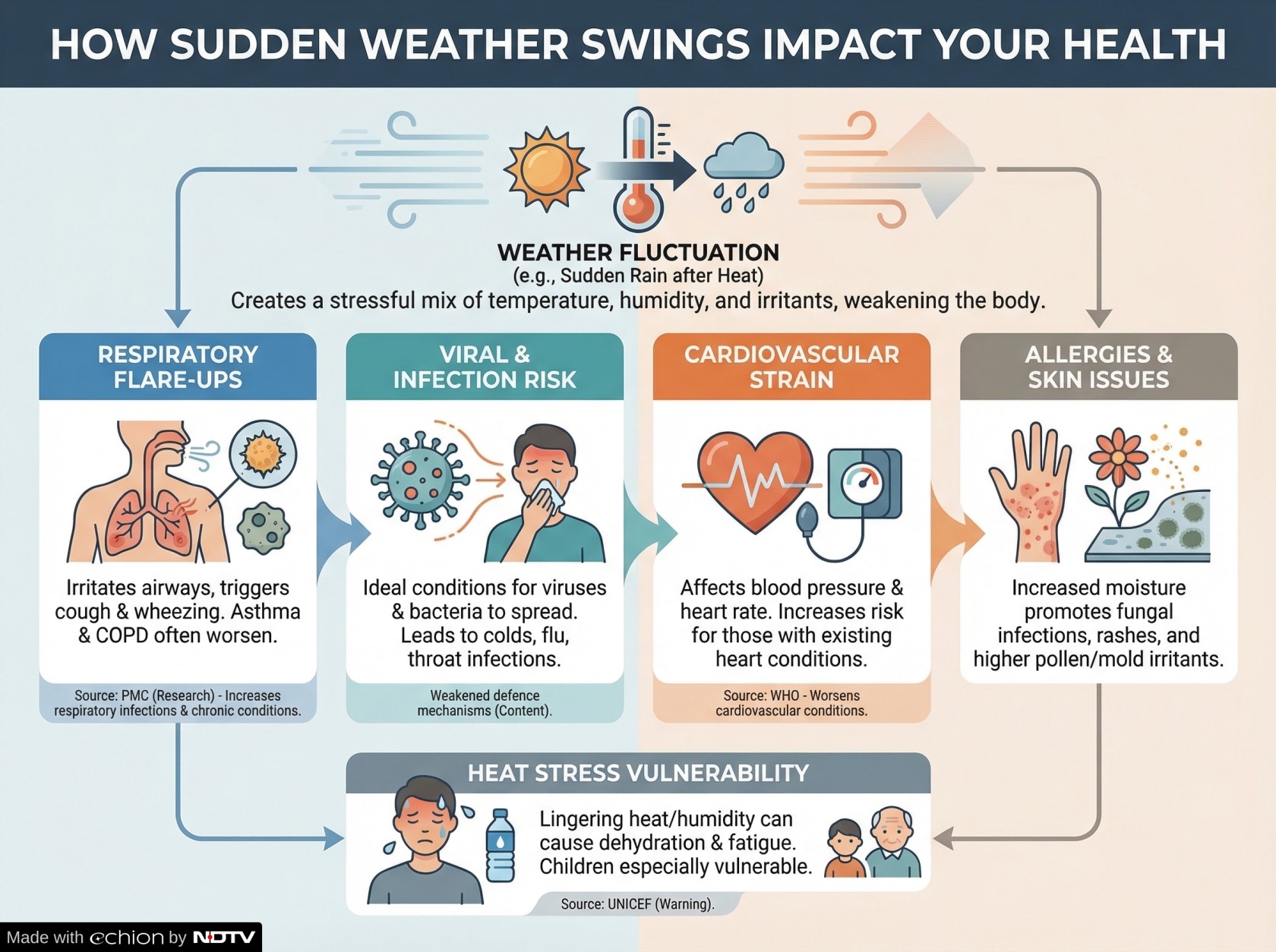
Weather fluctuations, especially sudden rain after heat, create a mix of temperature, humidity, and pollution changes that stress the body. The WHO notes that environmental changes can worsen respiratory, cardiovascular, and metabolic conditions. Research shows that changing weather patterns can increase respiratory infections and aggravate chronic conditions like asthma and COPD. Rapid changes in temperature and humidity can also weaken the body's natural defence mechanisms, making it easier for viruses and bacteria to spread.
Additionally, sudden rainfall can increase pollen release, mould growth, and airborne irritants, key triggers for allergies and breathing problems.
Common Health Problems Linked To Weather Swings
- Respiratory Issues: Fluctuating temperatures and humidity can irritate airways, causing cough, wheezing, and shortness of breath. Asthma and allergy patients often experience flare-ups during such periods.
- Viral Infections: Sudden weather shifts create ideal conditions for viruses to spread, leading to colds, flu, and throat infections.
- Heat Stress And Dehydration: Even after rainfall, lingering heat and humidity can lead to dehydration, dizziness, and fatigue. Children are especially vulnerable, warns UNICEF.
- Allergies And Skin Issues: Increased moisture promotes fungal infections, rashes, and allergy flare-ups due to mould and dust.
- Cardiovascular Strain: Temperature variability can affect blood pressure and heart rate, increasing risks for people with heart conditions.
Also Read: These 7 Foods Could Be Silently Hurting Your Immunity This Summer
Who Is Most At Risk?
Certain groups are more vulnerable to sudden weather changes:
- Children and elderly individuals
- People with asthma, COPD, or allergies
- Individuals with diabetes or heart disease
- Outdoor workers exposed to heat and humidity
The WHO highlights that vulnerable populations are disproportionately affected by climate-related health risks.
Precautions To Stay Safe During Sudden Weather Changes
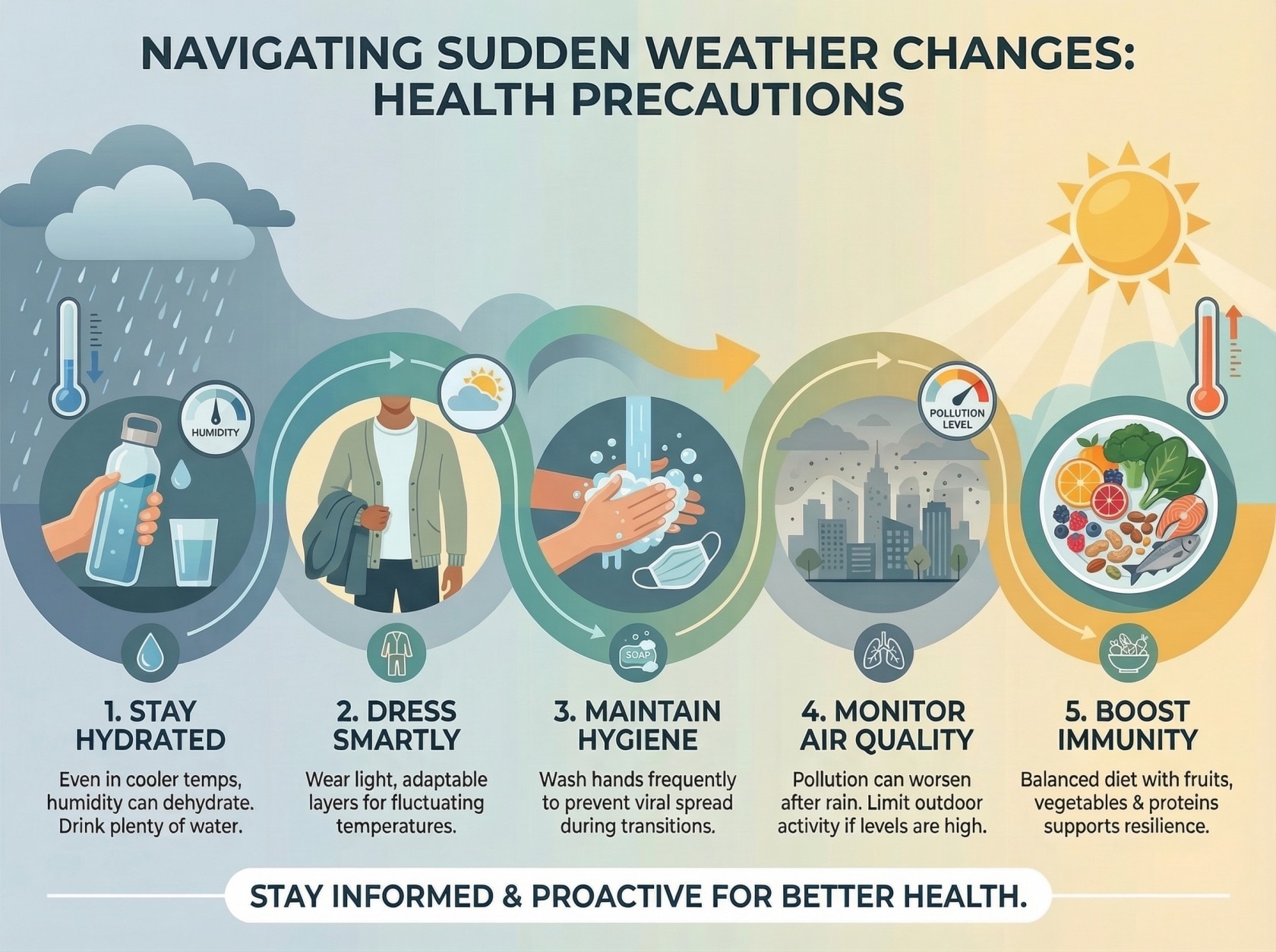
- Stay Hydrated: Drink plenty of water even if temperatures drop after rain. Humidity can still cause dehydration.
- Dress Smartly: Wear light, breathable layers that can adapt to temperature changes throughout the day.
- Avoid Sudden Exposure: Moving quickly between air-conditioned indoors and humid outdoors can trigger respiratory issues.
- Maintain Hygiene: Wash hands frequently to prevent viral infections, which spread more easily during weather transitions.
- Monitor Air Quality: Pollution levels often worsen after rain due to trapped particles-limit outdoor activity if needed.
- Protect Against Allergens: Keep windows closed during high pollen periods and use masks if sensitive.
- Eat Immunity-Boosting Foods: A balanced diet rich in fruits, vegetables, and proteins supports immune resilience.
Red Flags You Should Not Ignore
Doctors warn that certain symptoms during weather changes may signal serious health issues:
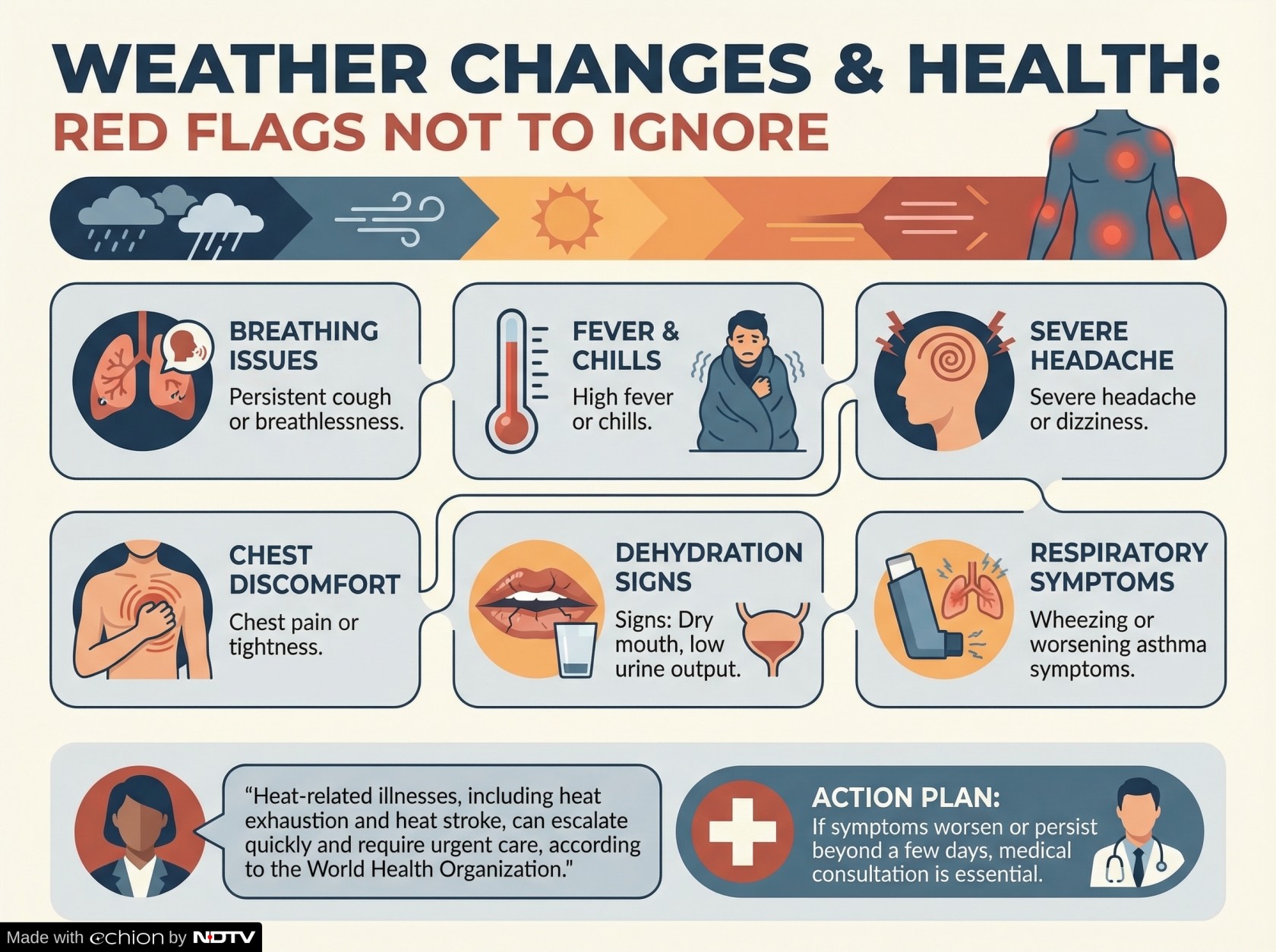
- Persistent cough or breathlessness
- High fever or chills
- Severe headache or dizziness
- Chest pain or tightness
- Signs of dehydration (dry mouth, low urine output)
- Wheezing or worsening asthma symptoms
Heat-related illnesses, including heat exhaustion and heat stroke, can escalate quickly and require urgent care, according to the World Health Organization. If symptoms worsen or persist beyond a few days, medical consultation is essential.
Sudden rains and unpredictable weather changes in Delhi NCR may bring temporary relief from heat, but they also pose hidden health risks. From respiratory infections to dehydration and allergy flare-ups, the body's ability to adapt is often challenged by rapid environmental shifts.
As climate variability increases, these fluctuations are becoming more frequent and intense. The key to staying safe lies in awareness, prevention, and early action. By adopting simple precautions, boosting your immunity, staying hydrated, protecting against allergens, and recognising warning signs, individuals can reduce their risk of illness. Ultimately, listening to your body and responding promptly to symptoms can make all the difference in navigating Delhi's ever-changing weather safely.
Disclaimer: This content, including advice, provides generic information only. It is in no way a substitute for a qualified medical opinion. Always consult a specialist or your own doctor for more information. NDTV does not claim responsibility for this information.
Published: March 23, 2026 10:34 IST

