




- Home/
- India Raises Climate Ambition: 47% Emissions Cut, 60% Clean Energy By 2035
India Raises Climate Ambition: 47% Emissions Cut, 60% Clean Energy By 2035
Reported by Shreya Ghosh | Updated: March 26, 2026 05:59 IST
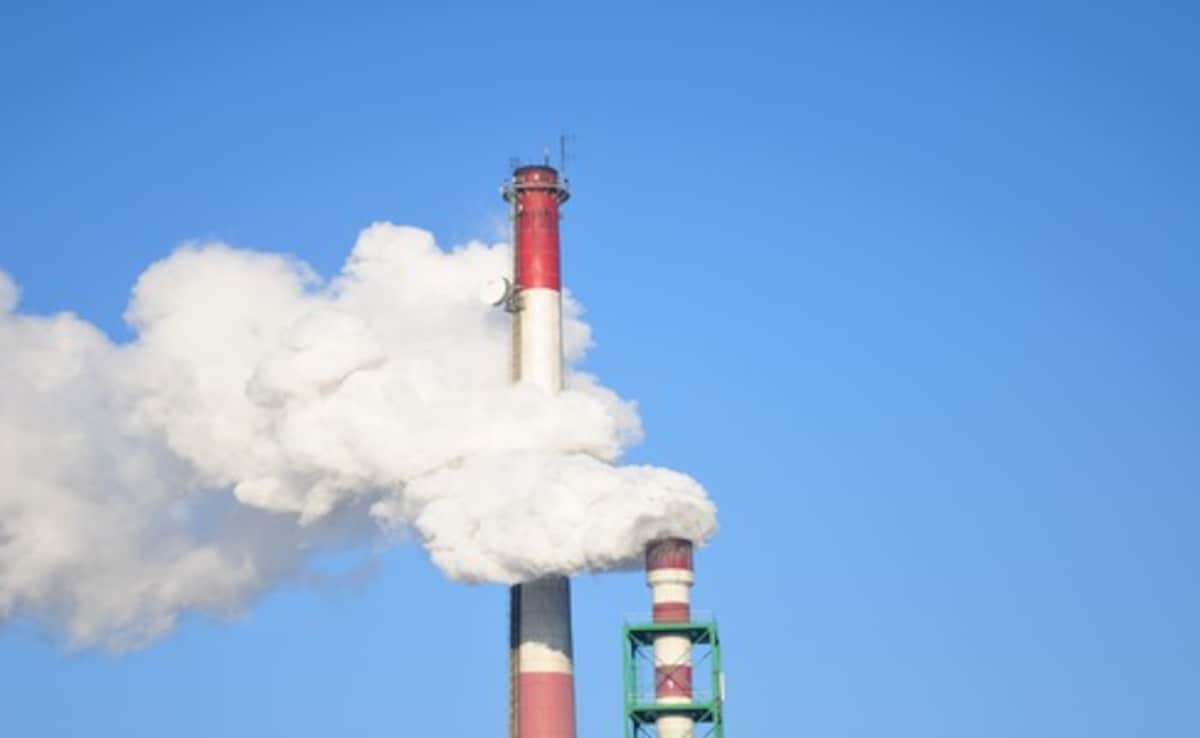
Under the updated framework, India has pledged to cut emissions intensity of GDP by 47% by 2035.
The Union Cabinet on Wednesday approved India's updated Nationally Determined Contribution (NDC) for the 2031–2035 period under the United Nations Framework Convention on Climate Change, committing to deeper emissions cuts and a stronger shift toward clean energy.
The revised targets, part of India's obligations under the Paris Agreement, include reducing the emissions intensity of GDP by 47% from 2005 levels and increasing non-fossil fuel-based power capacity to 60% by 2035. The announcement followed a Cabinet briefing and marks India's third NDC submission.
"At a time when conflict and energy security concerns are pulling countries away from climate commitments, India's new NDCs send an important signal. A targeted 60% share of non-fossil electricity capacity in 2035 suggests that while India has raised its ambition to decarbonise thepower sector, it is also doubling down on energy security and affordability for hundreds of millions ofits citizens," said Dr Arunabha Ghosh, CEO, Council on Energy, Environment and Water (CEEW).
Sharper Climate Commitments
Under the updated framework, India has pledged to:
- Cut emissions intensity of GDP by 47% by 2035 (from 2005 levels)
- Achieve 60% of installed power capacity from non-fossil sources
- Create a carbon sink of 3.5–4 billion tonnes of CO₂ equivalent through forests and tree cover
Officials described the targets as a significant enhancement over previous commitments, citing India's "strong track record" of early achievement.
Government data shows that between 2005 and 2020, India reduced emissions intensity by 36%, crossed 52% non-fossil fuel capacity in the power mix, and created a 2.3 billion-tonne carbon sink.
Grounded in Past Performance
The Cabinet emphasized that the new goals are "not aspirational" but based on demonstrated progress. India had met its earlier 2015 NDC targets—33–35% emissions intensity reduction and 40% non-fossil capacity—well ahead of schedule.
The Press Information Bureau said the updated NDC aligns with the principles of equity and Common but Differentiated Responsibilities (CBDR-RC), while supporting the broader vision of Viksit Bharat 2047.
Global Context and Strategic Significance
The announcement comes amid disruptions in global supply chains and energy markets due to ongoing conflict in West Asia, underscoring the risks of fossil fuel dependence.
Experts say India's approach reflects a balance between climate ambition and energy security. While domestic projections by the Central Electricity Authority suggest non-fossil capacity could reach nearly 70% by 2035–36, the formal NDC target remains at 60%, indicating a cautious but credible international commitment.
With India holding the chair of BRICS this year, the updated NDC is also seen as a signal of leadership from the Global South on climate action, particularly at a time when some developed nations are perceived to be slowing their climate efforts.
Policy Backbone and Implementation
The targets will be driven by ongoing initiatives such as renewable energy expansion, green hydrogen, battery storage, and cleaner industrial processes. Programs under the National Action Plan on Climate Change, along with international collaborations like the International Solar Alliance, will support implementation.
The government also highlighted investments in green energy corridors, carbon capture technologies, and climate-resilient infrastructure.
Focus on Adaptation and Inclusion
Beyond mitigation, the updated NDC places strong emphasis on adaptation measures, including coastal protection, glacier monitoring, heat action plans, and disaster resilience.
Community participation will be encouraged through the "Lifestyle for Environment (LiFE)" initiative, aimed at promoting sustainable practices at the individual level.
Mixed Expert Views
Climate experts broadly welcomed the enhanced targets but expressed varying degrees of optimism. Some praised India's commitment to multilateralism and leadership, while others argued that the targets—especially the 60% clean power goal—may underestimate the country's actual potential given current progress.
Vibhuti Garg, Director South Asia, Institute for Energy Economics and Financial Analysis (IEEFA) says "With non-fossil fuel capacity already crossing ~52% by 2025–26, atarget of 60% by 2035 does not adequately reflect either the pace of progress or the scale of opportunity ahead.At a time when India remains vulnerable to global supply and price shocks—particularly in imported fossil fuels—the case for accelerating electrification from clean energy sources across sectors isstronger than ever. Industrial electrification, in particular, offers a dual benefit: reducing import dependence while enhancing long-term economic resilience".
"A 47% reduction in emission intensity by 2035, alongside achieving 60% non-fossil capacity, signals continuity in ambition while remaining grounded in domestic, developmental and geopolitical realities. The fact that India has already crossed 50% non-fossil capacity underscores the credibility of this trajectory. Equally important is the expansion of carbon sinks, which reinforces the country's commitment to nature-based solutions", said Aarti Khosla, Director, Climate Trends.
Labanya Jena, Director, Climate and Sustainability Initiative:
"In the ambition of the new NDCs, the carbon emissions goal is now 47%. This is not very optimistic, at least from the mitigation perspective. Taking into account India's current technical and financial capacities and its reliance on imported technologies, the government is likely being cautious about these commitments. Also, given that the US has backed out and the EU has also gone on a backfoot on climate, the global effort has already been waning. So India also seems to have committed in a cautious manner. India is keen on electrifying its transport and cooking but the source of electrification will remain coal even though we are adding massive clean energy. Coal will remain the dominant source of energy till 2035.
Toward Net-Zero 2070
The Cabinet termed the approval a "major milestone" in India's long-term climate strategy, reinforcing its commitment to achieving net-zero emissions by 2070.
Published: March 26, 2026 05:59 IST

