




- Home/
- Why Did El Nino Bring A Month's Rain To Mumbai In Just A Week?
Why Did El Nino Bring A Month's Rain To Mumbai In Just A Week?
Reported by Sujata Kanhaiya Dwivedi | Updated: July 08, 2026 12:41 IST
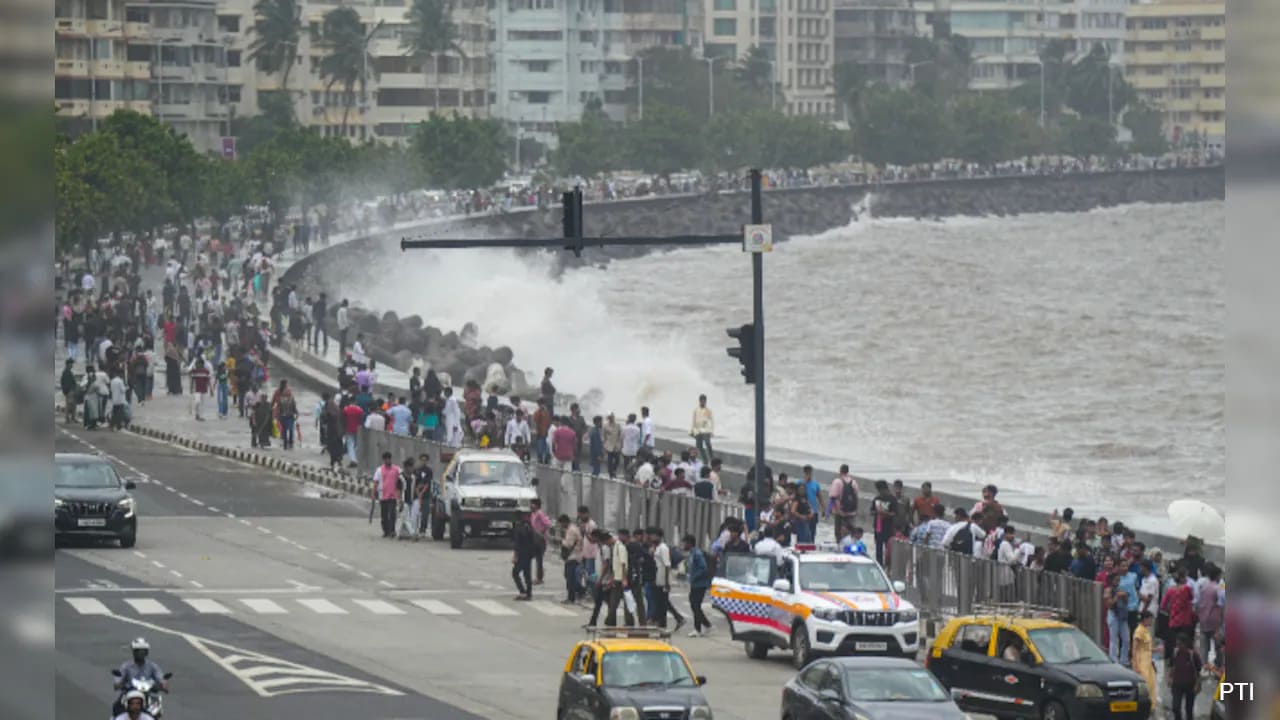
Colaba observatory recorded 791 mm of rain, already crossing its average rainfall for the whole of July
Highlights
- Mumbai received nearly a month's rainfall in the first seven days of July 2024
- Colaba recorded 791 mm and Santacruz 879 mm, nearing their monthly averages
- El Nino delayed monsoon arrival but climate change caused intense rainfall bursts
Mumbai has just witnessed one of its wettest starts to July in recent years. In just the first seven days of the month, the city received almost an entire month's worth of rainfall.
The Colaba observatory recorded 791 mm of rain, already crossing its average rainfall for the whole of July. Santacruz wasn't far behind, receiving 879 mm, just short of its monthly average of 919.9 mm. The sheer volume of rain overwhelmed roads, railways and drainage systems, bringing large parts of the city to a standstill.
What Is El Nino?
El Nino is a naturally occurring climate pattern in which the waters of the Pacific Ocean become warmer than usual. Traditionally, it has been linked to weaker monsoons and below-normal rainfall in India.
This year also followed that pattern initially, with the southwest monsoon reaching Mumbai nearly two weeks later than usual. But once it arrived, it came with extraordinary intensity instead of a slow, gradual spell.
Why Did 'Dry' El Nino Bring Such Heavy Rain?
That may sound confusing, but scientists say it isn't a contradiction. El Nino still influences when the monsoon arrives, but climate change is now changing how it rains. Instead of steady rainfall spread over several weeks, cities are increasingly witnessing fewer rainy days but much more intense cloudbursts. In other words, the monsoon hasn't disappeared, it has become far more extreme.
The Science Behind It
A warmer atmosphere can hold more moisture. As global temperatures rise, both the air and the oceans store more water vapour. When weather conditions become favourable, all that moisture is released in a short period, resulting in intense downpours rather than prolonged light rain.
The trend is visible in Mumbai's rainfall data too. Between 1981 and 2000, the city received an average of around 2,325 mm of annual rainfall. Over the last two decades, that figure has increased by about 15%, reaching nearly 2,673 mm.
When Two Oceans Worked Together
This week's torrential rain wasn't caused by a single weather system. Meteorologists say moisture from the Arabian Sea increased because of changing wind patterns linked to warming over the Middle East. At the same time, a low-pressure system over the Bay of Bengal pumped additional moisture into the atmosphere. As these moisture-laden winds hit the Western Ghats, they were forced upward, triggering exceptionally heavy rainfall over Mumbai.
A Much-Needed Breather
After several days of relentless rain, Mumbai is finally seeing some relief. For the first time in five days, daily rainfall dropped below the 100 mm mark, with 94 mm recorded at Santacruz and 90 mm at Colaba.
While a yellow alert remains in place, the forecast over the next few days is far less severe, with only light showers expected across Mumbai and neighbouring Thane giving the city some much-needed time to recover.
Published: July 08, 2026 12:41 IST

