




- Home/
- What is The Aravalli Story And Why It Is Important
What is The Aravalli Story And Why It Is Important
Written by Chandrashekar Srinivasan | Updated: December 30, 2025 18:12 IST
New Delhi: 
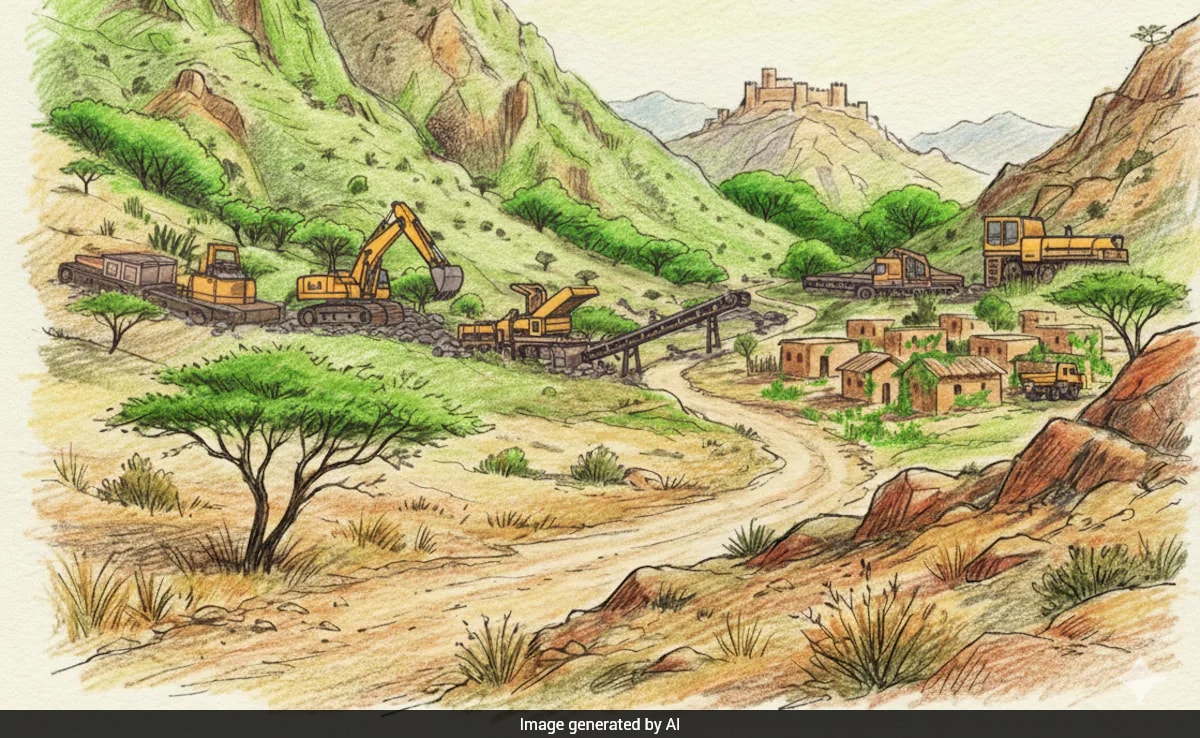
The Aravalli Hills – one of the world's oldest mountain ranges and an ecologically sensitive zone that supports biodiversity, recharges groundwater, and regulates climate across northern India – is at the centre of a legal and political storm after the government narrowed its definition.
The changed definition, the government has argued, resolves inconsistencies in how Rajasthan, Haryana, Gujarat, and Delhi – across which the Aravalli spans – define the range. These inconsistencies, the government said, created confusion over where mining could occur and led to illegal operations, some of which NDTV exposed in a report published December 6.
But environmentalists and scientists have frantically waved red flags since the Supreme Court, on November 20, accepted that definition, the operational part of which says only landforms rising 100 meters or more above the surrounding terrain are considered part of the Aravalli Hills.
The rest – which by one report is 91 per cent of the terrain – now stands exposed to mining operations that, if allowed, will have disastrous consequences on the environment, including worsening air pollution for a national capital region already choking under toxic smog.
The government has contested that 91 per cent figure – reportedly from a study by the Forest Survey of India– but has not offered an alternative, i.e., it is unclear, at this stage, what percentage of the hills could be opened to mining if the revised definition is enforced.
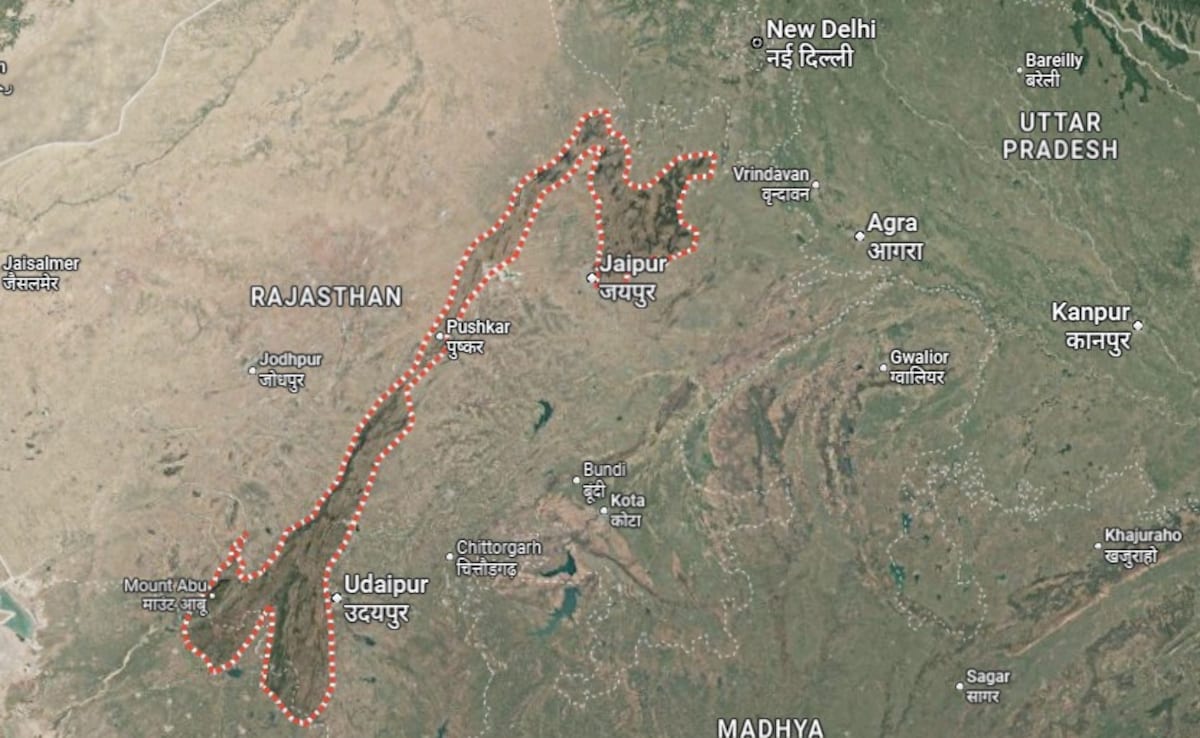
The Aravalli Hills run for nearly 700km through northwest India. Photo: Google Maps
For now, though, that enforcement is on hold.
RECAP | Why The Aravalli Is In Focus And What Environmentalists Demand
The Supreme Court on Monday stayed its November 20 order accepting the changed definition of the Aravalli Hills after sustained pressure from the public and scientific community.
RECAP | Top Court Stays Own Order On Aravalli Hills Definition, Seeks Experts' Report
A vacation bench led by Chief Justice Surya Kant said, "We deem it necessary that the recommendations of the committee and directions of this court be kept in abeyance."
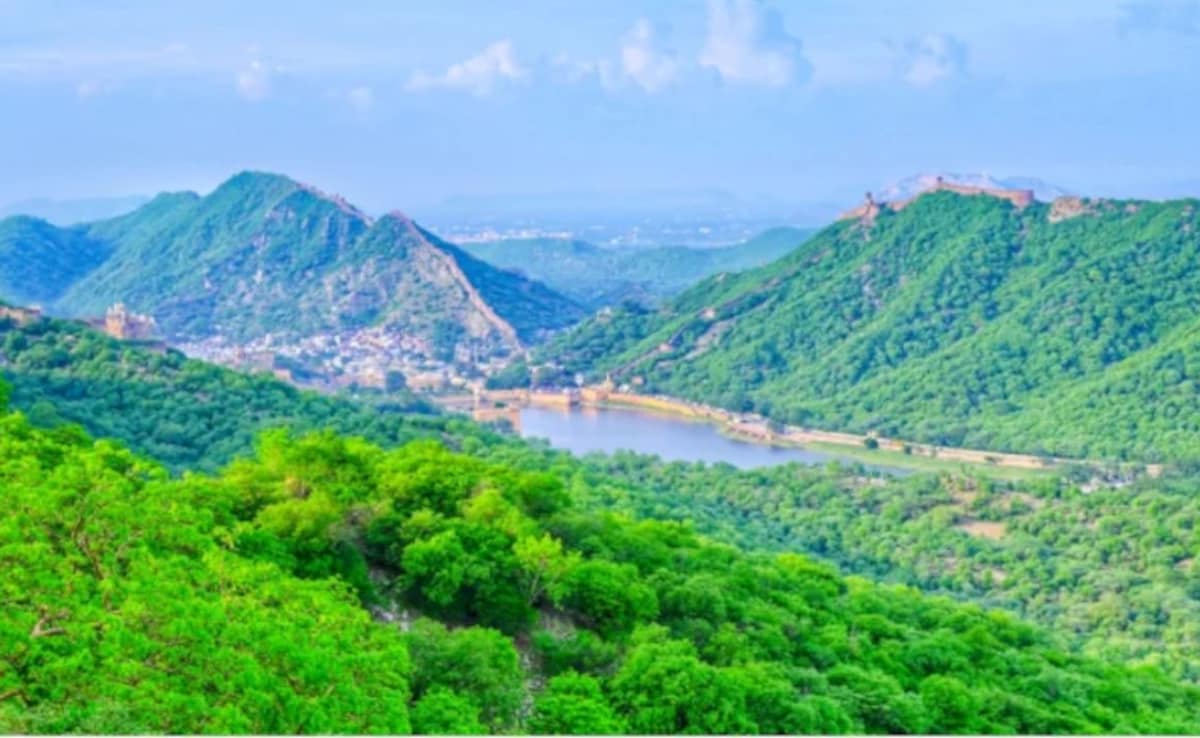
The Aravalli Hills are key to ensuring ecological diversity across northern India.
The court also ordered the formation of a new committee to study issues that need to be examined, or re-examined, in terms of an updated definition of the mountain range.
What is the Aravalli Hills issue?
In one sentence?
Finding the balance between protecting the Aravalli Hills – a key ecological barrier that could, literally turn Delhi into a desert if violated – and permitting controlled and sustainable mining operations to extract strategically important resources like copper, silver, gold, thorium, tungsten, and lithium, as well as rare-earth elements that have diverse industrial applications.
More on the Aravalli Hills
Concerns over the fate of the hills is not new; over the past few decades the Supreme Court has had to step in frequently to (try) and ensure a 'sustainable mining plan', a demand it reiterated last month after temporarily freezing issue of new mining licences while that plan was created.
Part of that 'sustainable mining' push is to ensure all states have a common definition of what is and what is not part of the Aravalli Hills and, consequently, where mining is and is not allowed.
In practice that sounds good but, in India, the ground reality is often very different.
In this case, it isn't just 'illegal' mining that is the issue.
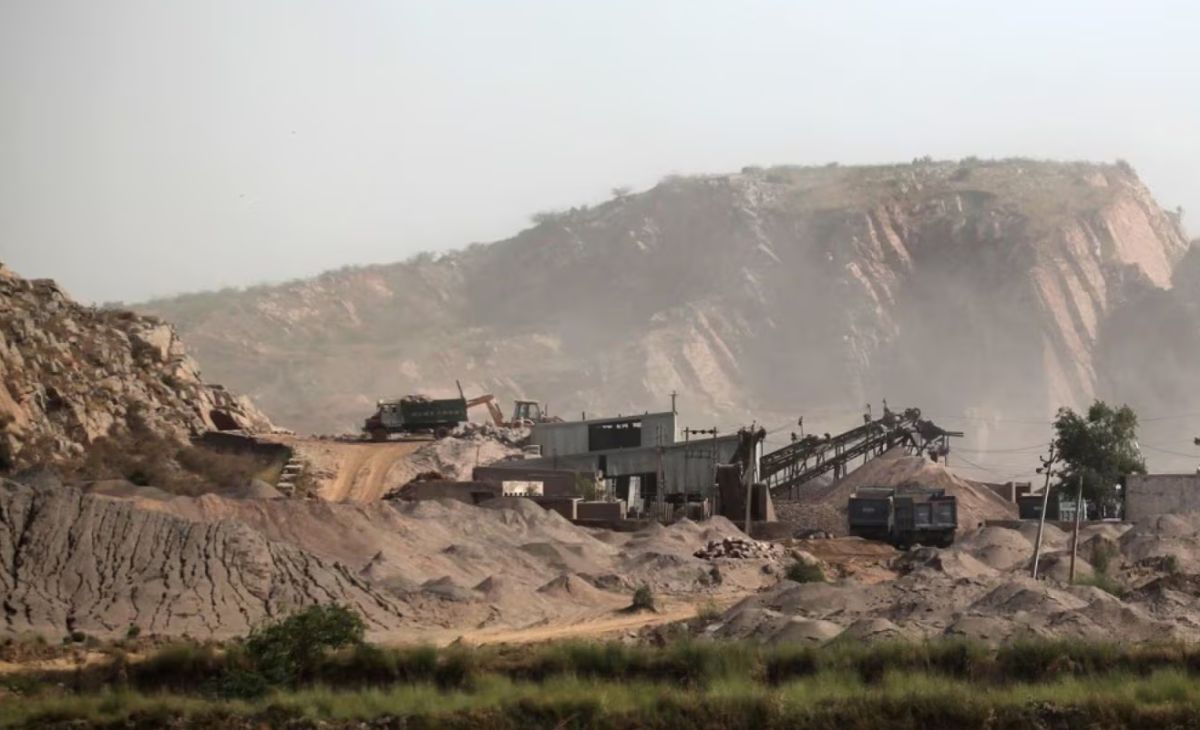
Mining in the Aravalli Hills in Rajasthan.
In Haryana, licensed mining has levelled hills in districts like Charkhi Dadri and Bhiwani over the last decade, resulting in water scarcity in Mahendragarh. And In Rajasthan (home to 80 per cent of the range) and Gujarat, mining breaches groundwater and dries up rivers like Sota Ravi and Kasavati, creating 'white hills' of waste that kill vegetation and destroy the environment.
The larger issue is also the enforcement of environmental safety regulations to minimise the harmful impact of mining. But that takes commitment from the authorities and time and money, to both lay down the law and ensure that those who break it are held to account, whereas it is often the case that violators – illegal mining ops or otherwise – bribe their way out of trouble.
The human costs
Rural communities face daily 'hell' from blasting accidents; activist Neelam Ahluwalia told NDTV of a 7-year-old child whose head was split by flying stones and a 14-year-old who lost fingers after mistaking detonators for berries. Widespread silicosis, skin diseases, and reduced crop yields due to dust plague rural and agricultural communities along the 692 km belt.
It's political, too
The opposition has made its position clear.
Congress chief Sonia Gandhi launched a sharp attack over the changed definition, calling it a "death warrant" for the hills, while party leader and former environment minister Jairam Ramesh said the change "will have grave environmental and public health consequences".
NDTV is now available on WhatsApp channels. Click on the link to get all the latest updates from NDTV on your chat.
Published: December 30, 2025 17:15 IST

