




- Home/
- Empowerment In Every Stitch: Sobiyamari's Road To Success
Empowerment In Every Stitch: Sobiyamari's Road To Success
Team NDTV | Updated: December 26, 2024 15:57 IST
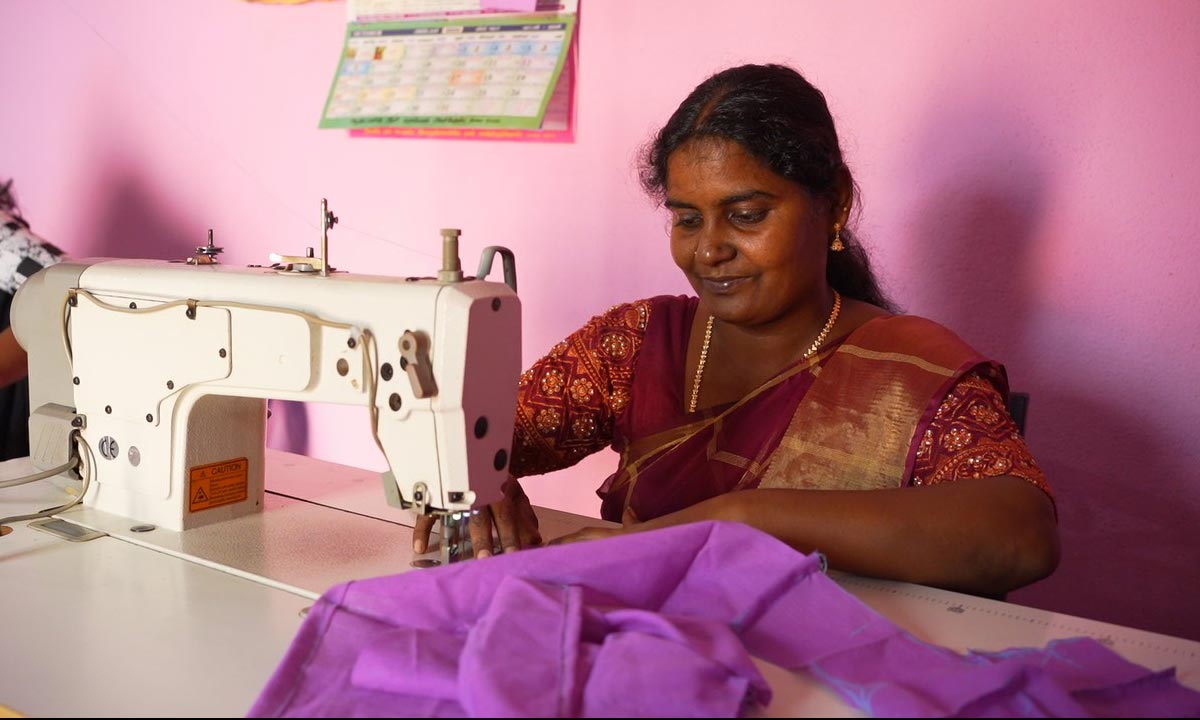
Every day, millions of women wake up bearing the weight of the world on their shoulders. Among them are single mothers, warriors fighting unseen battles. They work tirelessly, not for recognition, but for the love of their children and the promise of a brighter future. Sobiyamari from Villupuram, Tamil Nadu, is one such woman.
After losing her husband while pregnant, Sobiyamari returned to her village with an uncertain future. Refusing to burden her struggling parents, she began stitching clothes, a skill she had learned during a short tailoring course in Mumbai. Despite her initial struggles, she persevered, balancing her roles as a provider, nurturer, teacher, and protector.
Sobiyamari, Silai School Entrepreneur said,
I struggled for money. I had an interest in tailoring. A nun brought me to a convent school where the Silai School training was going on. I learned the basics from there.
A Decade of Transformation: Saroj Namdev's Story Of Sewing Dreams
In 2013, through the village president and USHA's NGO partner, PMSSS, Sobiyamari learned about USHA Silai School's residential training program. She attended a seven-day session in Puducherry, where she enhanced her stitching and finishing techniques. With new confidence, she opened a Silai School at home in 2014.
Sobiyamari said,
I came to know from the head of the village about free training. Initially, I wasn't confident to teach others, but gradually, I started getting students. I charged Rs. 300 at first, then Rs. 500, and now Rs. 1,000.
Through word-of-mouth promotion, her meticulous work earned her trust and students. Over a decade, Sobiyamari trained 146 learners, earning an average monthly income of Rs. 25,000. This enabled her to support her daughter's education, move from a hut to a proper house, and even purchase land to expand her school.
She said,
I bought land and I am building a house. After that, I plan to buy more machines and hope to provide employment opportunities for women like myself.
USHA International Ltd. played a pivotal role in Sobiyamari's journey, providing advanced training and regular support.
Vadivelan Perumal, Regional Manager (South), USHA Social Services said,
We've given advanced training and associated her with designers. She's part of our USHA's Master Trainers program, ensuring she engages in further Silai School programs. Over 10 years, she's trained about 140 learners across nearby villages.
Making Women Self-Reliant Through Usha-Common Service Centre Certification
Sobiyamari's transformation from a homemaker to an entrepreneur symbolizes resilience and empowerment. With the support of USHA Silai Schools, many women like her have broken societal barriers and created a ripple effect in their communities.
Mary Rupa Tete, Head of Department, Vice President, USHA Social Services said,
Think of a woman from rural India facing economic hardships. Many started with just a dream. Today, they support families, educate children, and access better health facilities. These women are transforming lives and creating hope.
Sobiyamari's story is a testament to what's possible when determination meets opportunity. As she looks to the future, she carries the lessons of resilience, courage, and an unwavering belief in her potential.
Published: December 26, 2024 12:41 IST
also read
Global Emissions Cut During COVID Lockdown May Not Last Long, Warn Scientists
ANIImportant To Implement Environmental Rules To Sustain Gains Of Lockdown: Union Environment Minister Prakash Javadekar
PTIMumbai Based Green Champion Is Striving To Make The City The Cycling Capital By 2030
Reported by Ambika Singh Kahma
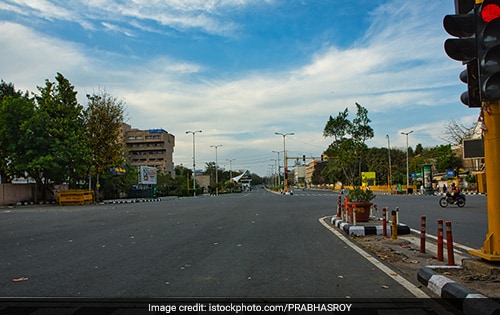
Since the lockdown began, nature has been given a rest and it has never looked more beautiful.
Our air is cleaner than it has been for years, our skies are blue and clear. We need to maintain this change.
NDTV and Hero Cycles have joined hands and initiated a campaign #TheCycleOfChange with a motive to keep these environmental gains from slipping away once the lockdown is lifted.
The campaign aims to provide a platform to discuss life after lockdown, as the lockdown may lift, but the virus will stay with each one of us for a long time. So, how do we best work with our lockdown habits, which are becoming the new normal?
How do we keep these environmental gains from slipping away completely?